
Table of Contents
Understanding Bloating and Why It Happens
If you want to reduce bloating naturally, you are far from alone — studies estimate that up to 30% of adults experience it regularly. That uncomfortable fullness, tightness, or visible belly swelling after meals can disrupt your entire day.
Bloating is not just about what you eat. It is also about how you eat, how you breathe, and even how stressed you feel at the dinner table. Learning to reduce bloating naturally means addressing all of these layers together.
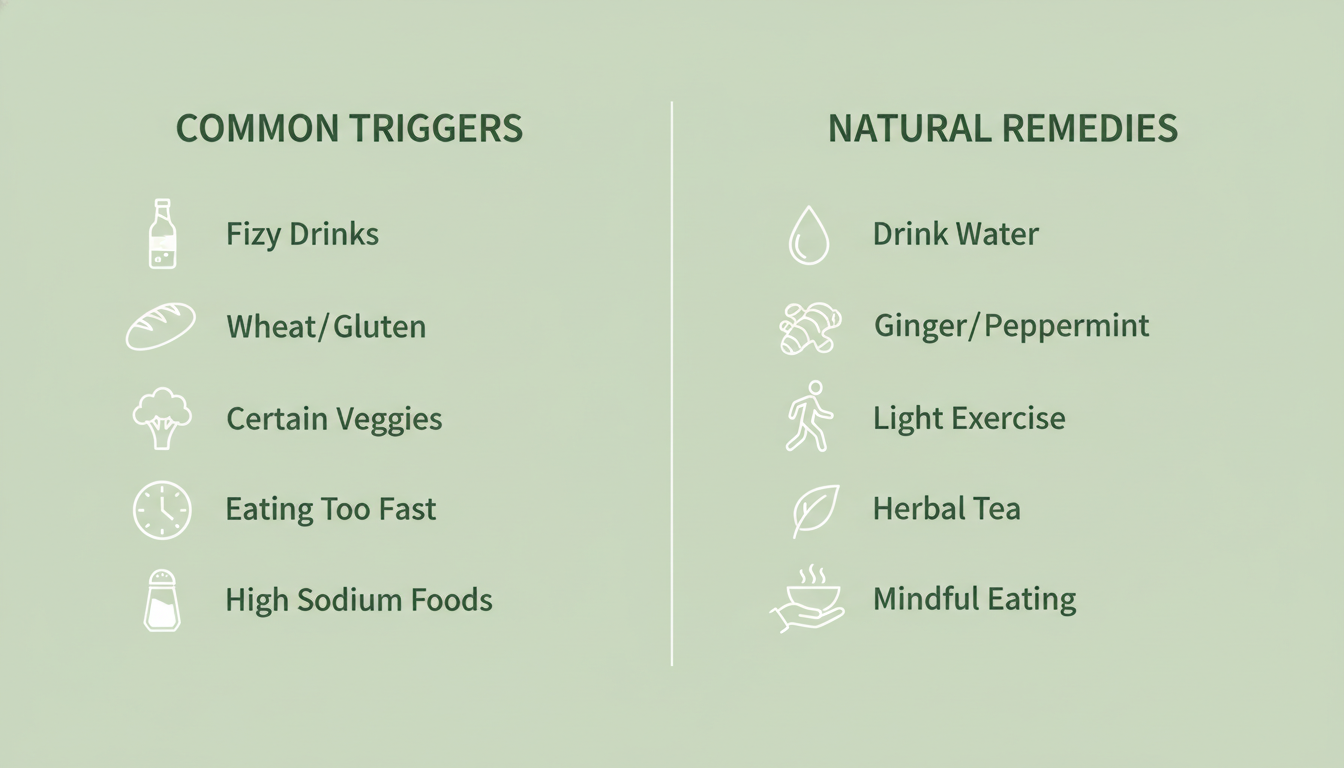
Common triggers include trapped gas, slow digestion, food intolerances, swallowed air, and an imbalanced gut microbiome. Identifying your personal trigger is the key first step toward lasting relief.
According to the National Institute of Diabetes and Digestive and Kidney Diseases (NIDDK), most bloating is caused by excess gas production or disruptions in the movement of the digestive muscles. This means it is highly manageable with the right daily habits.
Understanding the root cause — not just masking the symptom — is what separates a temporary fix from a long-term solution. That is the foundation of any effective plan to reduce bloating naturally.
The Science Behind Reduce Bloating Naturally
To reduce bloating naturally, you need to understand what is actually happening inside your gut. Research reveals that bloating involves a complex interplay between gut bacteria, intestinal motility, gas production, and even your nervous system.
A landmark study published in Gastroenterology found that people with functional bloating often have hypersensitivity in the gut lining. Their intestines perceive normal amounts of gas as painful. This is a nervous system response, not purely a food problem.
Your gut-brain axis plays a major role. When you eat in a stressed state, your body prioritises fight-or-flight over digestion. Blood flow diverts away from the gut, enzyme production slows, and gas builds up faster.
How to Reduce Bloating Naturally Using Your Gut-Brain Connection
Activating your parasympathetic nervous system before meals — through slow breathing or a short walk — can meaningfully improve digestive efficiency. This is one of the most underrated ways to reduce bloating naturally without any supplements or dietary changes.
Our Polyvagal Exercises Guide shows you exactly how to activate your parasympathetic system in under five minutes before eating.
Probiotics are another evidence-backed strategy to reduce bloating naturally. A 2018 meta-analysis in the World Journal of Gastroenterology found that specific probiotic strains, particularly Lactobacillus acidophilus and Bifidobacterium longum, significantly reduced bloating scores in adults with irritable bowel syndrome.
Common myth debunked: Many people believe drinking water with meals causes bloating. In reality, moderate water intake during meals supports digestion by aiding enzyme activity. Ice-cold water may slow motility slightly — room temperature is best.
Peppermint oil is also scientifically validated. A PubMed-indexed review in the Journal of Clinical Gastroenterology found enteric-coated peppermint oil capsules significantly reduced IBS symptoms including bloating compared to placebo.
Step-by-Step Reduce Bloating Naturally Guide
This is your practical, actionable roadmap to reduce bloating naturally starting today. Each step includes what to do, how long to try it, and what to expect from the process.
Step 1: Start a 3-Day Food and Symptom Journal
Before changing anything, track every meal, drink, stress event, and symptom for 72 hours. This single step reveals patterns that even doctors miss. Note meal timing, portion size, eating speed, and bloating onset time.
Step 2: Slow Down Your Eating to 20+ Minutes Per Meal
Your stomach takes about 20 minutes to signal fullness to your brain. Eating faster means you swallow excess air and overload your digestive enzymes. Set a timer and aim for at least 20 chews per bite.
Step 3: Identify Your Personal Trigger Foods
The most common culprits are high-FODMAP foods — fermentable carbohydrates found in onions, garlic, beans, wheat, and dairy. Remove one category at a time for 5–7 days and note whether bloating improves before eliminating more.
Step 4: Incorporate Digestive Herbs Daily
Ginger, fennel, and peppermint are three of the most research-supported herbs to reduce bloating naturally. Try ginger tea 15 minutes before meals, fennel seeds after meals, or enteric-coated peppermint oil capsules between meals.
Step 5: Move Gently After Every Meal
A 10–15 minute walk after eating accelerates gastric emptying and reduces gas pressure. Research published in Journal of Gastrointestinal and Liver Diseases confirms post-meal walking cuts bloating duration significantly. Explore our full guide to Post Meal Digestion Exercises for more options.
Step 6: Optimise Your Fat Digestion
High-fat meals slow gastric emptying, which is a major but overlooked bloating trigger. Pairing healthy fats with digestive bitters or apple cider vinegar may help bile production. Our detailed post on how to Improve Fat Digestion Naturally covers this in depth.
Step 7: Add a Daily Probiotic and Prebiotic
Choose a broad-spectrum probiotic with at least 10 billion CFU and strains including Lactobacillus and Bifidobacterium. Pair it with prebiotic fibre from sources like unripe banana, oats, or chicory root to feed beneficial bacteria.
Step 8: Reduce Carbonated Drinks and Straws
Carbonated beverages and drinking through straws both introduce significant air into your digestive tract. Swap sparkling water for still water infused with lemon, ginger, or cucumber — a flavour-forward alternative that helps reduce bloating naturally instead.
Step 9: Prioritise Quality Sleep
Poor sleep disrupts gut motility and increases cortisol, both of which worsen bloating. Research links insufficient sleep to increased intestinal permeability — often called leaky gut. Our post on how to Increase Deep Sleep gives you practical strategies.
Consistently applying these nine steps is the most reliable way to reduce bloating naturally over the long term. Here is a summary of the most effective habits:
- Eat slowly: Aim for 20+ minutes per meal and chew thoroughly to reduce swallowed air.
- Herbal support: Use ginger, fennel, or peppermint tea daily to soothe digestive muscles.
- Move after meals: A 10-minute walk stimulates peristalsis and clears trapped gas within 30 minutes.
- Hydrate wisely: Drink room-temperature water throughout the day, not ice-cold beverages with meals.
- Limit known triggers: Start with a targeted elimination of high-FODMAP foods rather than cutting entire food groups.
- Manage stress: Activate your vagus nerve before meals with 4–7–8 breathing or a 5-minute body scan.
- Support fat digestion: Use digestive bitters or enzymes with higher-fat meals to reduce slow-emptying bloat.
- Track your symptoms: Use a journal for at least 3 days before making dietary changes to find real patterns.
Reduce Bloating Naturally: Mistakes to Avoid
Even well-intentioned efforts to reduce bloating naturally can backfire. Here are the four most common mistakes — and what to do instead to get real, lasting results.
Mistake 1: Eliminating Entire Food Groups Too Quickly
Cutting out all gluten, all dairy, or all FODMAPs at once is overwhelming and often unnecessary. You also risk nutrient deficiencies and a more restricted relationship with food. Remove one specific food at a time for 5–7 days instead.
Mistake 2: Over-Relying on Gas Relief Products
Products like simethicone or activated charcoal may offer short-term relief but do nothing to fix the underlying cause. Long-term use of activated charcoal can also interfere with medication absorption. Use them sparingly as a bridge while you address root causes.
Mistake 3: Eating Too Much Fibre Too Fast
Many people add large amounts of fibre overnight — more beans, more flaxseed, more vegetables — thinking it will help their gut. A sudden fibre increase feeds gas-producing bacteria faster than your microbiome can adapt. Increase fibre by no more than 5 grams per week.
Mistake 4: Ignoring the Stress Connection
If you eat perfectly but remain highly stressed, bloating will persist. Chronic stress impairs digestive enzyme output and gut motility. Our guide to Calm Racing Mind Night has practical tools to break this cycle.
Avoiding these pitfalls will dramatically speed up your results. They are the hidden reason so many people struggle to reduce bloating naturally even when following good advice.
Start Your Reduce Bloating Naturally Journey Today
The most effective way to reduce bloating naturally is to start with one small, specific action — not an overhaul. Overhauling your entire diet at once is the fastest path to confusion and giving up.
Your first step right now: open your phone’s notes app and start your 3-day food and symptom journal. Record every meal, drink, snack, stress moment, and any bloating you notice along with the timing. That data is your personalised road map.
After three days, look for patterns. Did bloating appear consistently 30 minutes after wheat-based meals? After dairy? After eating quickly at your desk while checking email? These patterns tell you more than any generic elimination diet ever will.
According to Harvard Health Publishing’s guide on digestive bloating, targeted dietary adjustments combined with stress reduction and probiotic support are among the most effective long-term strategies for functional bloating relief.
You already have everything you need to reduce bloating naturally. The steps in this guide are free, drug-free, and supported by real research. Small consistent changes compound quickly — most people notice meaningful relief within 7 to 14 days.
You deserve to feel comfortable in your body after every meal. Start today — one journal entry at a time.
Frequently Asked Questions
What reduces bloating immediately?
The fastest ways to reduce bloating immediately include gentle movement like a brisk 10-minute walk, which stimulates the intestines to release trapped gas. Applying a warm compress to your abdomen for 5–10 minutes can also relax intestinal muscles and ease pressure quickly. Certain positions, like lying on your left side or bringing your knees to your chest, also help move gas through the digestive tract faster.
What drink reduces bloating fast?
Warm ginger tea, peppermint tea, and fennel seed tea are among the most effective drinks to reduce bloating fast — all three relax intestinal smooth muscle and support gas expulsion. Room-temperature lemon water first thing in the morning may also stimulate bile production and kickstart digestion. Avoid carbonated drinks, which add gas, and cold beverages, which can slow gastric motility.
How to get unbloated in 30 minutes?
To get unbloated within 30 minutes, combine three approaches: drink a cup of warm peppermint or ginger tea, take a brisk 10–15 minute walk, and try abdominal massage using gentle clockwise circular strokes to follow the natural direction of the colon. These three methods together can move trapped gas, stimulate peristalsis, and noticeably reduce belly tightness in under half an hour for most people.
What causes a big bloated belly?
A persistently big bloated belly is most often caused by a combination of excess gas production from fermentable foods, impaired gut motility, or an overgrowth of gas-producing bacteria in the small intestine (known as SIBO). Hormonal fluctuations, particularly in women around menstruation, can also cause significant water retention and abdominal distension. If bloating is severe, persistent, or accompanied by pain, unexplained weight loss, or blood in stool, it is important to consult a healthcare provider to rule out underlying conditions.