
Table of Contents
Understanding Muscle Soreness After a Workout
If you want to reduce muscle soreness naturally, you are not alone — it is one of the most common struggles for beginner and intermediate exercisers alike. That deep, achy feeling that hits 24 to 48 hours after a tough session can make even sitting down feel like a challenge.
This type of soreness has a name: Delayed Onset Muscle Soreness, or DOMS. It is not a sign that something is wrong. In fact, it is a normal part of how your muscles grow stronger.
DOMS occurs when exercise — especially new or intense movements — creates microscopic tears in muscle fibers. Your immune system responds with inflammation to begin the repair process. That inflammatory response is what causes the pain, stiffness, and tenderness you feel.
According to the National Institutes of Health research on exercise-induced muscle damage, DOMS typically peaks between 24 and 72 hours after exercise and can last up to five days in some cases. Understanding this timeline helps you manage your expectations and recovery plan.
The good news? You do not need over-the-counter painkillers or expensive supplements to feel better. There are proven, drug-free methods that work with your body’s natural healing process.
The Science Behind How to Reduce Muscle Soreness Naturally
To reduce muscle soreness naturally, it helps to understand what is actually happening inside your body. When muscle fibers tear during exercise, your body launches a complex inflammatory and repair cascade. White blood cells flood the area, and the resulting swelling and sensitivity are what you feel as soreness.
Research published in the Journal of Athletic Training on DOMS and recovery interventions confirms that active recovery, proper nutrition, and hydration all measurably reduce the duration and intensity of DOMS compared to passive rest alone.
One important concept is the repeated bout effect. After your muscles recover from a bout of exercise-induced damage, they adapt and become more resistant to future soreness. This means the more consistently you train — and recover well — the less soreness you will experience over time.
Debunking the “No Pain, No Gain” Myth When You Reduce Muscle Soreness Naturally
Many people believe that severe DOMS means a more effective workout. This is a myth. Extreme soreness can actually signal overtraining, which leads to injury rather than progress. A moderate level of discomfort is a healthy sign; debilitating pain is not.
The goal is not to suffer through soreness — it is to manage inflammation intelligently so your muscles repair faster and stronger. Natural recovery methods are not shortcuts; they are scientifically supported strategies your body is designed to respond to.
Improving your circulation also plays a major role in how quickly soreness fades. Better blood flow delivers oxygen and nutrients to damaged tissue while flushing out metabolic waste. Our guide on how to Improve Blood Circulation Naturally offers complementary strategies that pair perfectly with these recovery methods.
Step-by-Step Guide to Reduce Muscle Soreness Naturally
Here is your complete, actionable plan to reduce muscle soreness naturally. Each step is backed by exercise science and designed to be realistic for everyday people — no gym equipment or expensive products required.
Step 1: Hydrate Immediately After Your Workout
Your very first action after any workout should be hydration. Drink at least 16 ounces of water within 30 minutes of finishing exercise. Dehydration thickens the blood and slows the delivery of repair nutrients to muscle tissue.
Aim to continue sipping water consistently over the next several hours. Adding a pinch of sea salt or an electrolyte tablet can further support fluid retention and muscle function, especially after sweaty sessions.
Step 2: Do 5 Minutes of Gentle Stretching
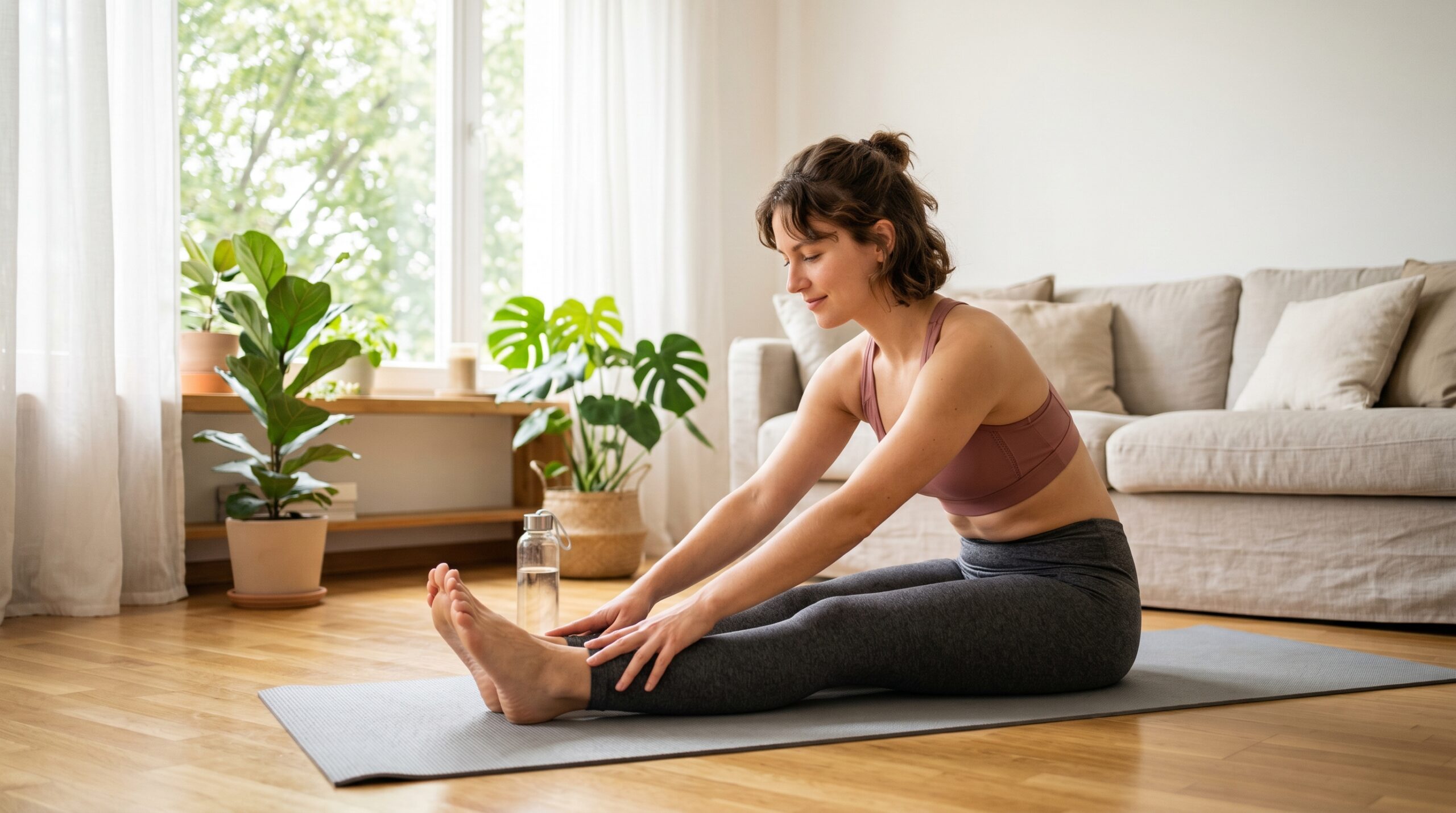
Right after hydrating, spend at least five minutes doing slow, static stretches targeting the muscles you just worked. Hold each stretch for 20 to 30 seconds without bouncing. This increases blood flow to the muscles and begins reducing tension immediately.
If you are not sure where to start, our Morning Joint Mobility routine is an excellent low-intensity option that works equally well as a post-workout cooldown. Gentle movement is one of the most underrated ways to reduce muscle soreness naturally.
Step 3: Prioritize Quality Sleep
Sleep is arguably the most powerful recovery tool available to you — and it costs nothing. During deep sleep, your body releases human growth hormone (HGH), which is essential for muscle tissue repair. Aim for 7 to 9 hours of sleep per night, especially after intense training days.
Poor sleep directly worsens DOMS intensity and duration. If you struggle to wind down after an evening workout, our article on how to Calm Racing Mind Night offers practical techniques to improve sleep quality starting tonight.
Step 4: Use Cold and Heat Therapy Strategically
Cold therapy (ice packs or cold showers) is most effective in the first 24 hours after exercise. Apply cold for 10 to 15 minutes at a time to reduce acute inflammation and numb soreness. A 2-minute cold shower at the end of your post-workout routine is a simple, effective strategy.
After the first 24 hours, switch to heat therapy. A warm bath, heating pad, or warm shower for 15 to 20 minutes helps relax tight muscles and improves blood circulation to accelerate the repair process. Alternating between cold and heat (contrast therapy) is also a popular and effective method used by athletes.
Step 5: Foam Roll and Use Massage
Foam rolling — also called self-myofascial release — helps break up adhesions in muscle fascia and improves circulation. Roll slowly over sore areas for 60 to 90 seconds per muscle group, pausing on tender spots for 5 to 10 seconds.
A 2014 study found that foam rolling significantly reduced DOMS and improved muscle performance in the days following exercise. Even a gentle massage from a partner using light pressure can produce similar benefits by stimulating blood flow and reducing muscle stiffness.
Step 6: Eat Anti-Inflammatory Foods
Nutrition is one of the most powerful levers you can pull to reduce muscle soreness naturally. Certain foods contain compounds that directly dampen the inflammatory response in muscle tissue, speeding up repair and reducing discomfort.
- Tart cherry juice: Contains anthocyanins that have been shown to significantly reduce DOMS and muscle damage markers. Drink 8 to 12 oz within 30 minutes post-workout.
- Fatty fish (salmon, mackerel, sardines): Rich in omega-3 fatty acids, which reduce inflammatory cytokines associated with muscle soreness. Aim for two servings per week.
- Turmeric with black pepper: Curcumin in turmeric is one of the strongest natural anti-inflammatory compounds. Pair with black pepper to increase absorption by up to 2,000%.
- Tart cherries and blueberries: Antioxidant-rich fruits that help neutralize exercise-induced oxidative stress in muscle tissue.
- Leafy greens (spinach, kale): High in magnesium, a mineral essential for muscle relaxation and recovery.
- Eggs and lean protein: Provide the amino acids your muscles need to repair torn fibers. Aim for 20 to 40 grams of protein within 2 hours post-workout.
- Ginger: Contains gingerols and shogaols that have been shown in multiple studies to reduce exercise-related muscle pain when consumed daily.
According to Harvard Health’s guide on anti-inflammatory foods, consistently eating a diet rich in these foods not only supports exercise recovery but also reduces chronic inflammation throughout the body. If you notice that poor digestion is affecting your post-workout comfort, check out our tips on Bloating After Eating Fix for additional nutritional guidance.
Step 7: Keep Moving With Active Recovery
This step surprises many people: complete rest is actually not the best way to reduce muscle soreness naturally. Light movement on recovery days — walking, swimming, yoga, or easy cycling — promotes blood circulation without adding further stress to damaged muscles.
Aim for 20 to 30 minutes of low-intensity activity at 50% or less of your maximum effort on the days between hard workouts. This gentle approach, known as active recovery, consistently outperforms full rest in exercise science research for reducing DOMS duration. Our After Work Decompression routine is a perfect example of gentle movement you can do any evening.
Reduce Muscle Soreness Naturally: Mistakes to Avoid
Knowing what NOT to do is just as important as knowing what to do. These common mistakes can slow your recovery significantly and make DOMS worse than it needs to be.
Mistake 1: Skipping All Movement on Sore Days
This is the most widespread mistake. Many people assume that resting completely will speed up recovery. In reality, staying sedentary allows metabolic waste products like lactic acid and inflammatory byproducts to linger in muscle tissue longer.
Instead, engage in 20 to 30 minutes of gentle, low-impact movement. A slow walk, light yoga, or gentle stretching session is enough to stimulate circulation and meaningfully shorten your recovery window.
Mistake 2: Overusing Ibuprofen or NSAIDs
Reaching for anti-inflammatory drugs like ibuprofen every time you are sore may actually interfere with muscle adaptation. Research suggests that NSAIDs blunt the inflammatory signaling that triggers muscle protein synthesis — the very process that makes you stronger.
Save medication for genuinely severe pain or injury. For typical DOMS, natural remedies for muscle pain and inflammation are not only safer but also more aligned with your long-term fitness goals.
Mistake 3: Ignoring Hydration and Nutrition
Many people focus entirely on physical techniques like foam rolling and ice packs while neglecting what they eat and drink. Without adequate hydration and protein, your muscles simply lack the raw materials needed to repair efficiently. No amount of massage will compensate for a protein-deficient, dehydrated recovery.
Make nutrition your foundation. Everything else — stretching, cold therapy, sleep — builds on top of it.
Mistake 4: Jumping Back Into Intense Training Too Soon
Training hard on top of unresolved DOMS is a fast path to overuse injury. Your muscles are still structurally compromised during peak soreness. Pushing through intense sessions before 48 to 72 hours have passed — especially with the same muscle groups — significantly increases injury risk.
Honor your body’s recovery timeline. A well-rested muscle grows faster and performs better than one that is constantly inflamed and under-repaired.
Start Your Journey to Reduce Muscle Soreness Naturally Today
The most important thing you can do right now is take one simple action. The best way to reduce muscle soreness naturally starts with the very next thing you do after your workout — and it takes less than five minutes.
Your action step: The next time you finish a workout, immediately drink 16 oz of water and spend 5 minutes doing gentle stretches on the muscles you just trained. That single habit, done consistently, will noticeably improve how you feel within the first 24 hours after exercise.
From there, layer in the other strategies one at a time. Add tart cherry juice to your post-workout routine this week. Prioritize sleep this weekend. Try foam rolling for the first time on your next rest day. You do not need to implement everything at once — consistency beats perfection every time.
Remember: the goal of learning how to reduce muscle soreness naturally is not to eliminate all discomfort. Mild soreness is a healthy sign of progress. The goal is to keep it manageable so it never becomes a barrier to staying active, feeling good, and building the body you want.
You have everything you need to start today. Your body is remarkably capable of healing itself — give it the right tools and it will reward you.
Frequently Asked Questions
What helps muscle soreness go away fast?
The fastest way to reduce muscle soreness naturally combines hydration, light movement, and cold therapy in the first 24 hours. Drinking plenty of water, doing a gentle 20-minute walk, and applying a cold pack for 10 to 15 minutes can noticeably ease soreness within hours. Tart cherry juice and a protein-rich meal also accelerate the muscle repair process significantly.
Do bananas help with DOMS?
Yes, bananas can be a helpful part of your recovery strategy. They are rich in potassium and magnesium — two electrolytes that support muscle contraction, reduce cramping, and aid in post-exercise recovery. They also provide fast-digesting carbohydrates that help replenish muscle glycogen after a workout, making them an excellent post-exercise snack.
What is my body lacking if my muscles are sore?
Persistent or unusually severe muscle soreness may indicate deficiencies in magnesium, potassium, vitamin D, or protein. Magnesium is especially important for muscle relaxation and nerve function — many active adults are mildly deficient without knowing it. If your soreness seems disproportionate to your workouts, consider reviewing your diet and speaking with a healthcare professional about potential nutritional gaps.
What drink will heal muscles?
Tart cherry juice is widely considered one of the most effective drinks to reduce muscle soreness naturally, with multiple studies showing it reduces both DOMS intensity and muscle damage markers. Protein shakes or chocolate milk are also excellent post-workout drinks because they deliver the amino acids and carbohydrates muscles need for rapid repair. Consistently drinking adequate plain water throughout the day remains the single most important recovery beverage of all.