

Table of Contents
Why You Feel Drained (And Why Caffeine Isn’t the Answer)
If you want to boost energy levels naturally, you are far from alone — millions of adults wake up already exhausted before the day begins.
Chronic low energy is one of the most common complaints among adults aged 25–45. Yet most people reach for a second (or third) cup of coffee and hope for the best.
The problem is that caffeine masks fatigue rather than fixing it. Over time, your body builds tolerance, your adrenal glands become overworked, and the crashes get worse.
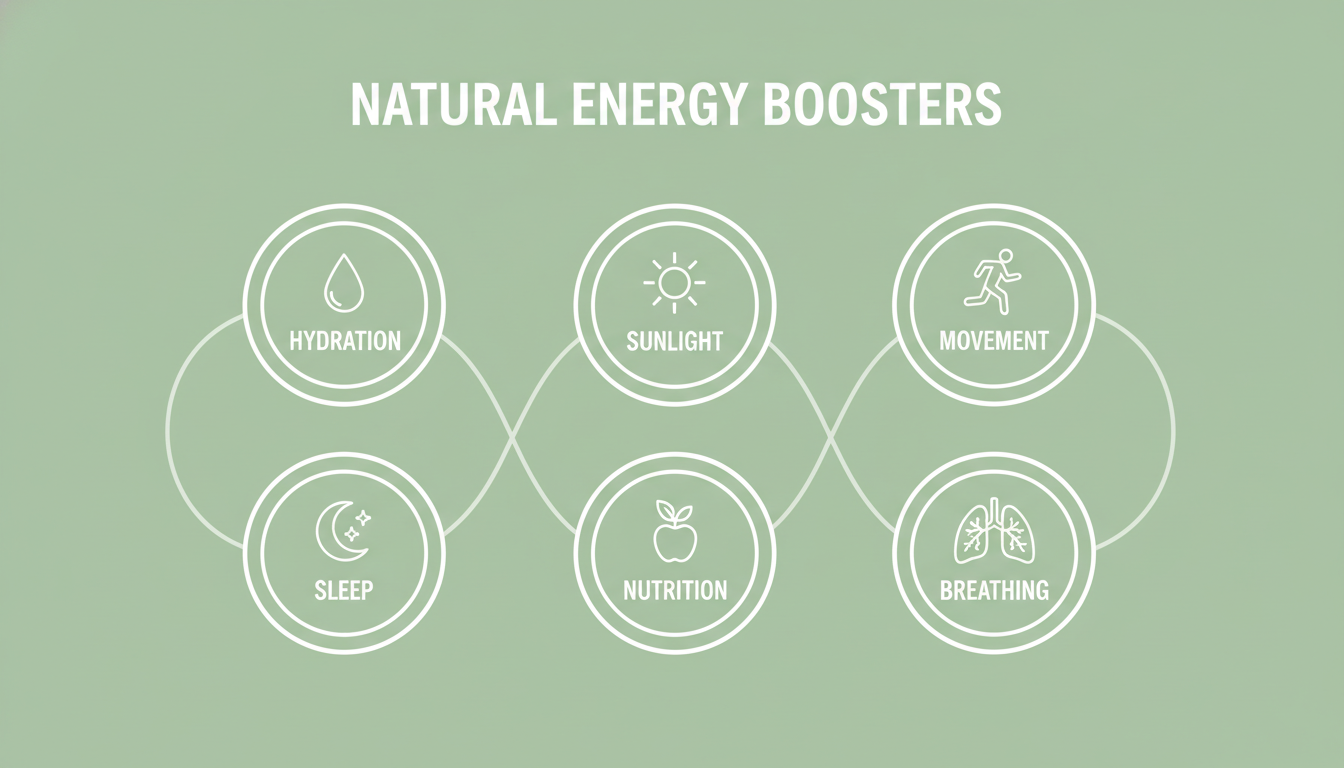
So what is actually causing your exhaustion? Research points to four major culprits that most people overlook entirely:
- Dehydration: Even mild dehydration of just 1–2% body weight loss can reduce alertness, impair concentration, and increase perceived fatigue, according to research published in the Journal of Nutrition via the National Institutes of Health.
- Blood sugar swings: Eating refined carbohydrates causes rapid glucose spikes followed by hard crashes — leaving you foggy and flat. Learning to Balance Blood Sugar Naturally may be one of the most impactful changes you make.
- Sedentary habits: Sitting for hours slows circulation, reduces oxygen delivery to the brain, and signals the body to conserve energy — making you feel even more tired.
- Poor sleep quality: It is not just about hours in bed. Fragmented, shallow sleep fails to restore cellular energy reserves no matter how long you lie there.
Understanding these root causes is the first step to genuinely boost energy levels naturally — not just push through the day on stimulants.

The Science Behind How to Boost Energy Levels Naturally
To truly boost energy levels naturally, it helps to understand what “energy” actually means in biological terms.
Your body produces energy through a molecule called adenosine triphosphate (ATP), generated inside your cells’ mitochondria. Everything — light exposure, movement, hydration, breathing — directly influences ATP production.
Here is what the latest research tells us about natural energy optimization:
Movement Is One of the Fastest Ways to Boost Energy Levels Naturally
A landmark study published in Psychotherapy and Psychosomatics found that low-intensity exercise reduced fatigue by 65% and improved energy by 20% — outperforming sedentary rest. Even a 10-minute walk triggers endorphin release, improves oxygen circulation, and stimulates mitochondrial activity.
This means you do not need an hour at the gym. Short, consistent movement breaks throughout your day can be more effective than one long workout for sustained energy.
Morning Sunlight Regulates Your Circadian Rhythm
Your circadian rhythm is your body’s internal 24-hour clock. Getting natural light into your eyes within 30 minutes of waking triggers cortisol release — not the stress hormone you fear, but the alertness signal your brain uses to start the day. Harvard Health explains how light exposure directly governs energy and sleep cycles.
Skipping morning light — especially if you go straight to a phone screen — delays this cortisol pulse, leaving you groggy for hours. A Morning Screen Free Routine can genuinely transform how alert you feel before 9 AM.
Breathing Patterns Affect Cellular Oxygen Delivery
Most adults chronically mouth-breathe or breathe shallowly from the chest. This reduces the efficiency of oxygen exchange in the lungs. Nasal breathing activates nitric oxide production, which dilates blood vessels and improves oxygen delivery to your cells. If you struggle with shallow breathing, learning to Fix Shallow Breathing may dramatically improve your daily energy levels.
Common myth debunked: Many people believe tiredness simply means you need more sleep. In reality, you can sleep 8 hours and still feel exhausted if you are dehydrated, blood sugar-unstable, or sedentary. More sleep is not always the answer — smarter daily habits are.
Step-by-Step Guide to Boost Energy Levels Naturally
This is your complete, actionable plan to boost energy levels naturally — without caffeine, sugar crashes, or expensive supplements.
Follow these steps in order. Each builds on the last. You do not need to implement everything on day one — start with steps 1 and 2, then add one new habit every 3 days.
Step 1: Hydrate Immediately Upon Waking (0–10 Minutes)
Drink 500ml (about 16 oz) of water within 10 minutes of waking. Your body loses water through breathing and perspiration overnight — rehydrating first thing restores blood volume, improves brain function, and jumpstarts metabolism.
Add a small pinch of sea salt or a squeeze of lemon to enhance electrolyte absorption. This single habit alone may reduce morning grogginess significantly within one week.
Step 2: Get 5 Minutes of Direct Outdoor Light Before Checking Your Phone
Step outside within 30 minutes of waking — no sunglasses, no windows in the way. Even on a cloudy day, outdoor light is 10–50 times brighter than indoor lighting and far more effective at triggering your cortisol awakening response.
This is one of the most research-supported ways to boost energy levels naturally and reset your sleep-wake cycle simultaneously. Combine this with a Morning Screen Free Routine for compounding benefits.
Step 3: Eat a Protein-Rich Breakfast Within 60 Minutes of Waking
People who eat breakfast report significantly less fatigue and mental fog throughout the morning than those who skip it. The key is protein — not just carbohydrates.
Aim for at least 20–30g of protein: eggs, Greek yogurt, a protein smoothie, or cottage cheese. Protein stabilizes blood sugar and sustains mental energy for 3–4 hours without a crash.
Step 4: Take a 10-Minute Movement Break Every 90 Minutes
Set a timer on your phone or computer. Every 90 minutes, stand up and walk for 10 minutes — even if it is just around your home or office. This is not about fitness; it is about oxygen and circulation.
Research in Psychotherapy and Psychosomatics confirms that 10 minutes of low-intensity movement increases energy and reduces fatigue more effectively than resting. Think of movement as your natural energy recharge button.
Step 5: Practice 4-7-8 Nasal Breathing for 3 Minutes After Lunch
After lunch, most people experience an energy dip. Instead of reaching for coffee, try 4-7-8 breathing: inhale through your nose for 4 seconds, hold for 7, exhale slowly for 8. Repeat 4 cycles.
This activates the parasympathetic nervous system, clears carbon dioxide buildup, and improves oxygen delivery — all of which help you Reduce Afternoon Slump without any stimulants.
Step 6: Eat Every 3–4 Hours to Prevent Blood Sugar Crashes
Going longer than 4–5 hours without eating causes blood glucose to drop, triggering fatigue, brain fog, and irritability. This is not about snacking constantly — it is about strategic timing.
Plan whole-food snacks that combine protein, healthy fat, and fiber: apple slices with almond butter, a handful of nuts and cheese, or a boiled egg with avocado. These combinations slow glucose absorption and keep energy stable.
Step 7: Limit Blue Light Exposure 90 Minutes Before Bed
Poor sleep quality is a major hidden driver of daytime fatigue. Blue light from phones and screens suppresses melatonin production, delaying sleep onset and reducing deep sleep duration. Setting meaningful Set Phone Boundaries in the evening is not just about mental health — it is a direct energy investment.
Use blue-light-blocking glasses, enable night mode on devices, or better yet, swap screen time for reading a physical book or light stretching after 9 PM.
Step 8: Consider Evidence-Backed Vitamins and Supplements
If you want to know how to increase energy levels with supplements, research supports a few specific options. These are not magic pills, but they address common deficiencies that drain energy:
- Magnesium glycinate (300–400mg at night): Involved in over 300 enzymatic reactions including ATP production. Deficiency is linked directly to fatigue and poor sleep.
- Vitamin B12: Critical for red blood cell formation and neurological function. Deficiency causes profound fatigue, especially in vegetarians and adults over 40.
- Vitamin D3 (2000 IU daily): Low vitamin D is strongly correlated with chronic fatigue, depression, and immune dysfunction. Over 40% of adults are deficient.
- Ashwagandha (300–600mg daily): An adaptogen shown in multiple PubMed-indexed clinical trials to reduce cortisol, improve energy, and enhance stamina without stimulant effects.
- Iron (if deficient): Iron-deficiency anemia is a leading cause of fatigue in women aged 25–45. Get your ferritin levels tested before supplementing.
Always consult your healthcare provider before starting new supplements, especially if you have existing health conditions or take medications.
Boost Energy Levels Naturally: Mistakes to Avoid
Knowing what NOT to do is just as important as following the right steps. These four mistakes are extremely common — and they make fatigue significantly worse over time.
Mistake 1: Using Caffeine or Sugar as Your First Response to Fatigue
This is the most widespread energy mistake. Caffeine blocks adenosine receptors — the brain’s fatigue signal — but adenosine keeps building up. When caffeine wears off, the accumulated adenosine floods your receptors at once, creating a severe crash.
Sugar spikes glucose rapidly but triggers an insulin response that often overshoots, dropping blood sugar below baseline. The result: you feel worse than before. The fix is to reach for water, movement, or sunlight first — then eat a balanced snack if needed.
Mistake 2: Skipping Meals to “Save Calories” or Save Time
Meal skipping — especially breakfast — is one of the fastest ways to guarantee low energy by midday. Your brain runs on glucose and cannot store more than about 4–6 hours’ worth. When you skip meals, blood sugar crashes and cognitive performance tanks.
If intermittent fasting works for you metabolically, that is fine — but be aware that compressing your eating window can worsen energy for many people, especially those with blood sugar sensitivity. Learn more about how to Balance Blood Sugar Naturally to find the right eating pattern for your body.
Mistake 3: Drinking Coffee First Thing in the Morning on an Empty Stomach
Cortisol naturally peaks between 6–9 AM as part of your cortisol awakening response. Drinking caffeine during this window actually reduces its effectiveness and builds tolerance faster. It also spikes cortisol artificially in an already elevated state, increasing anxiety and adrenal load.
Neuroscientist Dr. Andrew Huberman recommends delaying caffeine consumption by 90–120 minutes after waking. Hydrate and get sunlight first. This alone can restore natural caffeine sensitivity and reduce dependence.
Mistake 4: Treating Fatigue With More Rest Instead of Strategic Movement
When you feel exhausted, the instinct is to rest. But prolonged inactivity actually worsens fatigue by reducing blood flow, lowering mitochondrial efficiency, and increasing inflammatory markers. This is especially true for the post-lunch energy dip.
The counterintuitive fix: move. A brisk 10-minute walk after lunch will do more for your afternoon energy than a 20-minute nap in most cases. Movement is medicine when it comes to fatigue — not a luxury reserved for when you have energy to spare.
Start Your Journey to Boost Energy Levels Naturally Today
You do not need to overhaul your entire life tonight. The most powerful thing you can do right now to boost energy levels naturally is to start with just two habits tomorrow morning.
Your two-step morning protocol:
- Within 10 minutes of waking, drink 500ml of water — before coffee, before your phone, before anything else.
- Step outside for 5 minutes of direct natural light. Stand in your garden, on your balcony, or at the end of your driveway. Just 5 minutes.
Do these two things for seven days straight and notice how different your mornings feel. This is the foundation of everything else in this guide.
From there, layer in one new step every few days. Add the protein breakfast. Add the movement breaks. Adjust your evening phone use. Each small change compounds — and within 2–3 weeks, many people report feeling more awake and focused than they have in years.
The goal is not perfection. It is progress. You are building a body and brain that generates its own energy — reliably, sustainably, and without depending on a cup of coffee to function.
Ready to go deeper? Explore how to Reduce Afternoon Slump with targeted strategies, or discover how a Morning Screen Free Routine can transform your entire day from the moment you wake up.

Frequently Asked Questions
What is the strongest natural energy booster?
The most powerful way to boost energy levels naturally is a combination of morning sunlight exposure, adequate hydration, and consistent low-intensity movement — these three habits directly regulate your circadian rhythm, cellular oxygen delivery, and mitochondrial ATP production. Among supplements, ashwagandha and magnesium have the strongest clinical evidence for reducing fatigue and improving sustained energy without stimulant side effects. No single supplement matches the compounding effect of consistent lifestyle habits.
How can I increase my energy naturally?
To increase your energy naturally, start by addressing the four most common hidden causes of fatigue: dehydration, blood sugar instability, sedentary behavior, and poor sleep quality. Drink 500ml of water upon waking, eat a protein-rich breakfast within 60 minutes, take 10-minute movement breaks every 90 minutes, and get outside for natural light each morning. These steps work synergistically and most people notice meaningful improvements within 7–14 days of consistent practice.
What to drink to stop fatigue?
The best drink to combat fatigue naturally is plain water — dehydration is one of the most overlooked causes of tiredness, and even mild fluid loss impairs alertness and cognitive performance. If you want something more functional, try warm water with lemon and a pinch of sea salt (for electrolytes), green tea (which contains L-theanine for calm focus with lower caffeine than coffee), or a magnesium-rich herbal tea like chamomile before bed to improve sleep quality. Avoid sugary energy drinks, which cause energy crashes and worsen the fatigue cycle long-term.
What gives me instant energy?
For fast, natural energy that does not involve caffeine or sugar, the most effective instant strategies are a 10-minute brisk walk (proven to raise energy via endorphin and oxygen effects), cold water splashed on your face or a brief cool shower (activates the sympathetic nervous system), and 10 deep nasal breaths using box breathing or 4-7-8 technique. These methods work within minutes and do not carry the crash risk of stimulants, making them genuinely sustainable ways to gain energy fast throughout your day.