
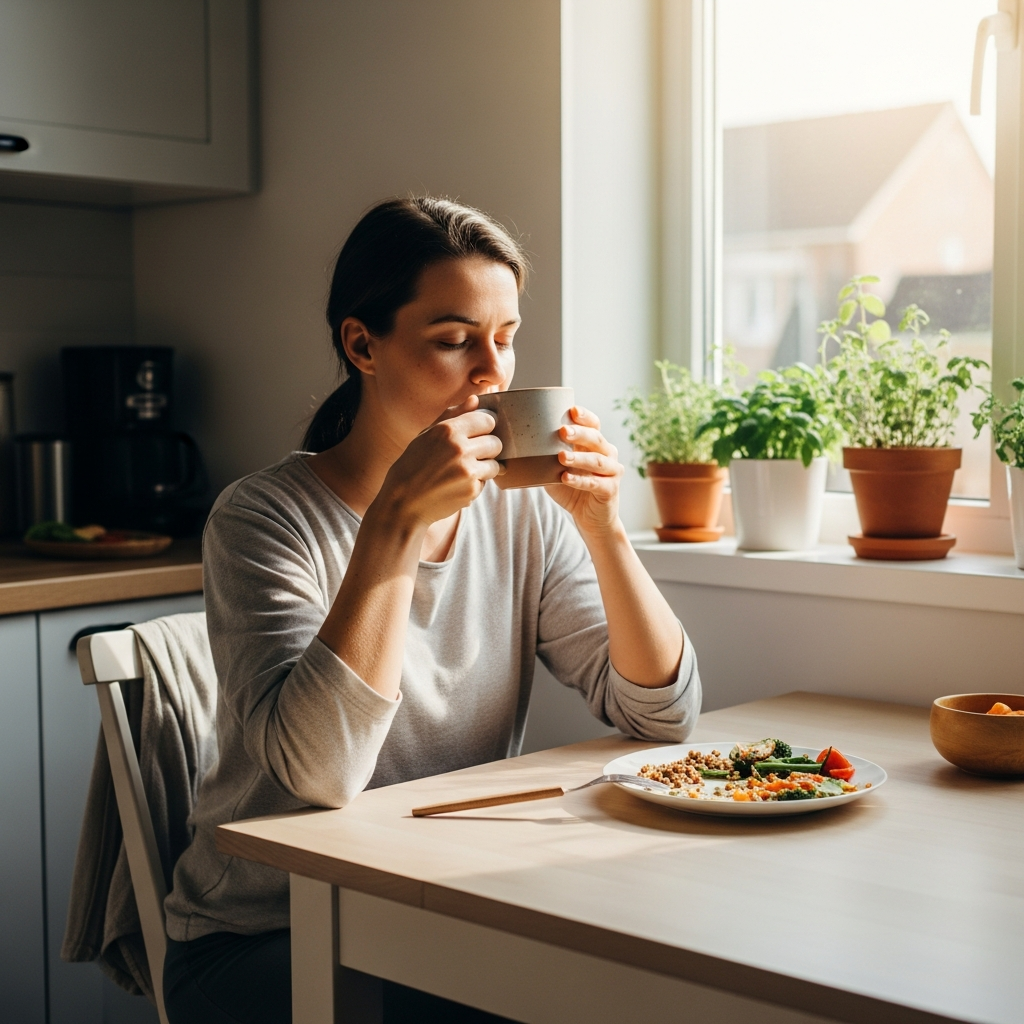
Bloated After Eating? How to Fix Digestive Discomfort Fast
Ever finish a meal only to feel uncomfortably full and bloated? You’re not alone. Research shows that up to 30% of people experience regular bloating after eating, making it one of the most common digestive complaints. That tight, swollen feeling in your abdomen can turn a pleasant meal into an uncomfortable experience. But here’s the good news: bloating after eating is often manageable with simple lifestyle adjustments and natural remedies.
This comprehensive guide will help you understand why bloating happens and provide practical solutions for immediate relief and long-term prevention. Whether you’re dealing with occasional discomfort or regular digestive issues, you’ll discover evidence-based strategies to reduce bloating and improve your overall gut health.
Understanding Why Bloating Happens After Meals
Before we dive into solutions, let’s explore what causes that uncomfortable bloated feeling. Bloating occurs when your digestive system produces excess gas or when gas gets trapped in your gastrointestinal tract. This can happen for several reasons, and understanding the “why” is the first step toward effective bloating relief.
Common Culprits Behind Post-Meal Bloating
Several factors can contribute to bloating after eating. Some of the most common include:
- Gas-producing foods: Certain foods like beans, lentils, broccoli, and cabbage contain complex carbohydrates that can produce gas during digestion.
- Eating too quickly: When you eat fast, you swallow more air, which can lead to bloating.
- Food intolerances: Lactose intolerance or sensitivity to FODMAPs (fermentable oligosaccharides, disaccharides, monosaccharides, and polyols) can cause digestive distress.
- Carbonated beverages: The bubbles in soda and sparkling water can introduce excess gas into your digestive system.
- Artificial sweeteners: Sugar alcohols like sorbitol and xylitol can be difficult for some people to digest.
How Digestion Works (and Sometimes Doesn’t)
Your digestive system is a complex network designed to break down food, absorb nutrients, and eliminate waste. When everything functions smoothly, you shouldn’t notice much happening. However, when digestion slows down or becomes inefficient, food can ferment in your gut, producing excess gas that leads to bloating.
According to the National Institute of Diabetes and Digestive and Kidney Diseases, most people produce 1-4 pints of gas daily and pass gas 14-23 times per day. When this gas gets trapped or production increases significantly, that’s when bloating occurs.
Immediate Relief Strategies for Bloating
When you’re feeling uncomfortably bloated after a meal, you want relief fast. Here are some proven strategies for how to reduce bloating quickly and effectively.
Gentle Movement and Positioning
Contrary to what you might think, lying down after eating can actually worsen bloating. Instead, try these gentle movements:
- Take a short walk: A 10-15 minute walk after eating can help stimulate digestion and move gas through your system.
- Practice gentle yoga poses: Child’s pose, knees-to-chest, and gentle twists can help relieve gas pressure.
- Massage your abdomen: Using gentle clockwise motions, massage your stomach to help move trapped gas.
Herbal Teas and Natural Remedies
Certain herbs have been used for centuries to support digestion and reduce bloating:
- Peppermint tea: Contains menthol, which can help relax digestive muscles and relieve gas.
- Ginger tea: Ginger has anti-inflammatory properties and can help speed up gastric emptying.
- Fennel seeds: Chewing fennel seeds or drinking fennel tea can help reduce gas and bloating.
- Chamomile tea: Known for its calming effects, chamomile can also soothe digestive discomfort.
A study published in the Mayo Clinic Proceedings notes that peppermint oil capsules can be particularly effective for reducing symptoms of irritable bowel syndrome, including bloating.
Dietary Adjustments to Prevent Future Bloating
Prevention is often the best medicine when it comes to digestive issues. Making strategic dietary changes can significantly reduce your chances of experiencing bloating after meals.
Foods That May Trigger Bloating
While everyone’s digestive system is unique, certain foods commonly cause bloating:
- High-FODMAP foods: These include onions, garlic, wheat, apples, and certain dairy products.
- Cruciferous vegetables: Broccoli, cauliflower, and Brussels sprouts contain raffinose, a sugar that can produce gas.
- Legumes: Beans and lentils contain oligosaccharides that can be difficult to digest.
- Carbonated drinks: The bubbles add air to your digestive system.
- Artificial sweeteners: Sugar-free products often contain sugar alcohols that can cause bloating.
Foods That Support Healthy Digestion
Incorporate these digestion-friendly foods into your diet:
- Probiotic-rich foods: Yogurt, kefir, sauerkraut, and kimchi support healthy gut bacteria.
- Fiber-rich foods: Gradually increase your intake of oats, chia seeds, and berries to support regular digestion.
- Hydrating foods: Cucumber, watermelon, and celery have high water content that can help prevent constipation.
- Digestive enzymes: Pineapple contains bromelain and papaya contains papain, both natural digestive enzymes.
If you’re looking for caffeine alternatives that won’t irritate your digestive system, consider herbal teas or roasted grain beverages. Additionally, being aware of magnesium deficiency signs is important since magnesium plays a crucial role in muscle function, including the muscles of your digestive tract.
Lifestyle Factors Affecting Digestion
Your daily habits and lifestyle choices play a significant role in how well your digestive system functions. Addressing these factors can provide long-term solutions for bloating treatment.
Stress and Its Impact on Your Gut
The gut-brain connection is real and powerful. When you’re stressed, your body produces cortisol, which can slow down digestion and contribute to bloating. Chronic stress can lead to ongoing digestive issues. Learning to manage stress through techniques like meditation, deep breathing, or vagus nerve exercises can significantly improve digestive function.
Recognizing high cortisol symptoms is important since elevated stress hormones can directly impact your digestive health. Common signs include fatigue, weight gain around the abdomen, and digestive issues like bloating.
Eating Habits That Make a Difference
How you eat can be just as important as what you eat:
- Eat slowly and mindfully: Chew each bite thoroughly and put your fork down between bites.
- Avoid talking while eating: This reduces the amount of air you swallow.
- Don’t drink large amounts with meals: Sip water instead of gulping it down during meals.
- Eat smaller, more frequent meals: Large meals can overwhelm your digestive system.
- Avoid lying down immediately after eating: Wait at least 2-3 hours before lying down.
According to Harvard Health Publishing, mindful eating practices can reduce bloating by up to 40% in some individuals.
When to Seek Professional Help
While occasional bloating is normal, persistent or severe bloating may indicate an underlying health issue that requires medical attention.
Warning Signs That Need Medical Attention
Consult your healthcare provider if you experience:
- Bloating that lasts more than a week
- Severe abdominal pain
- Unexplained weight loss
- Blood in your stool
- Changes in bowel habits that persist
- Bloating accompanied by vomiting or fever
Tests and Treatments Available
Your doctor may recommend various tests to determine the cause of your bloating:
- Breath tests: To check for bacterial overgrowth or food intolerances
- Blood tests: To rule out celiac disease or other conditions
- Imaging tests: Ultrasound or CT scans to visualize your digestive organs
- Endoscopy: To examine your digestive tract directly
Treatment will depend on the underlying cause but may include dietary changes, medications, probiotics, or stress management techniques.
Natural Remedies for Post-Meal Bloating
For those looking for natural remedies for post-meal bloating, several options have shown promise in scientific studies and traditional medicine practices.
Probiotics and Gut Health
Probiotics are beneficial bacteria that can help balance your gut microbiome. Research suggests that certain probiotic strains may help reduce bloating, especially in people with irritable bowel syndrome. Look for supplements containing Bifidobacterium and Lactobacillus strains, or incorporate probiotic-rich foods into your diet.
Digestive Enzymes
Digestive enzyme supplements can help break down foods that your body struggles to digest. These can be particularly helpful if you have difficulty digesting lactose, beans, or certain vegetables. However, it’s best to consult with a healthcare provider before starting any new supplement regimen.
Hydration and Electrolyte Balance
Proper hydration is essential for healthy digestion. When you’re dehydrated, your body may retain water, leading to bloating. Aim for 8-10 glasses of water daily, and consider adding electrolyte-rich foods like bananas, avocados, and leafy greens to your diet.
Conclusion: Your Path to Better Digestive Health
Dealing with bloating after eating can be frustrating, but with the right strategies, you can significantly reduce discomfort and improve your digestive health. Remember these key takeaways:
- Identify your triggers: Keep a food diary to pinpoint what foods cause bloating for you.
- Practice mindful eating: Slow down, chew thoroughly, and avoid distractions during meals.
- Incorporate movement: Gentle exercise after meals can aid digestion.
- Manage stress: Your mental state directly impacts your digestive system.
- Stay hydrated: Proper water intake supports all digestive processes.
Start implementing these strategies today and notice the difference in how you feel after meals. Remember that consistency is key—small, sustainable changes often yield the best long-term results.
We’d love to hear about your experiences! Share your favorite bloating remedies in the comments below, or pass this article along to friends who might benefit from these tips.
Medical Disclaimer: This article is for informational purposes only and does not constitute medical advice. Always consult a qualified healthcare provider before making changes to your health routine or if you have specific medical concerns.