
Fix Winged Scapula: 7 Science-Backed Exercises for Shoulder Stability
Have you ever noticed your shoulder blade sticking out when you reach forward or push against a wall? You might be experiencing scapular winging, a common postural issue affecting up to 30% of desk workers and athletes alike. This visible protrusion of the shoulder blade isn’t just a cosmetic concern—it can lead to shoulder pain, reduced mobility, and increased injury risk. The good news is that targeted winged scapula exercises can help restore proper shoulder blade positioning and function. Often accompanying other postural issues like forward head posture, scapular winging responds well to consistent, science-backed rehabilitation.
In this comprehensive guide, you’ll discover seven evidence-based exercises specifically designed to strengthen the muscles responsible for shoulder blade stability. Whether you’re an office worker battling desk posture or an athlete looking to improve shoulder mechanics, these progressive exercises can help you correct scapular winging and achieve better shoulder health.
Understanding Winged Scapula: Causes and Symptoms
Scapular winging occurs when the shoulder blade (scapula) protrudes abnormally from the back, resembling a wing. This condition typically results from weakness or dysfunction in the serratus anterior muscle, which normally holds the scapula flat against the rib cage. According to the American Academy of Orthopaedic Surgeons, winged scapula can develop from various causes:
- Muscle weakness: Particularly in the serratus anterior
- Nerve damage: Long thoracic nerve injury is a common culprit
- Poor posture: Years of slouching and rounded shoulders
- Trauma: Shoulder injuries or surgeries
- Overuse: Repetitive overhead activities
Common symptoms include visible protrusion of the shoulder blade, shoulder pain during movement, weakness when pushing or reaching, and limited range of motion. If you experience severe pain, sudden onset, or neurological symptoms like numbness, consult a healthcare professional for proper diagnosis.
The Science Behind Shoulder Blade Stability
Shoulder stability depends on coordinated muscle function between several key players. The serratus anterior acts as the primary stabilizer, pulling the scapula forward and around the rib cage. Supporting muscles include the rhomboids, trapezius, and rotator cuff muscles. Research published in the Journal of Orthopaedic & Sports Physical Therapy demonstrates that targeted strengthening of these muscles significantly improves scapular positioning and reduces winging.
Proper scapular movement is essential for healthy shoulder function. When the scapula moves correctly, it provides a stable base for arm movements and helps prevent injuries. Poor scapular control can contribute to various shoulder issues, making shoulder impingement exercises an important complementary approach for comprehensive shoulder health.
Why Scapular Stability Matters
Your shoulder blade serves as the foundation for all upper body movements. When it’s unstable, you may experience:
- Reduced strength in pushing and pulling movements
- Increased risk of rotator cuff injuries
- Poor posture that affects neck and upper back health
- Limited overhead mobility
7 Science-Backed Winged Scapula Exercises
These progressive exercises target the muscles responsible for scapular stability. Start with basic movements and gradually increase difficulty as your strength improves. Perform each exercise 2-3 times per week for optimal results.
1. Wall Slides
Wall slides activate the serratus anterior while promoting proper scapular movement. Stand with your back against a wall, feet about 6 inches away. Place your arms against the wall with elbows bent at 90 degrees. Slowly slide your arms upward while maintaining contact with the wall, then return to starting position. Perform 2-3 sets of 10-15 repetitions.
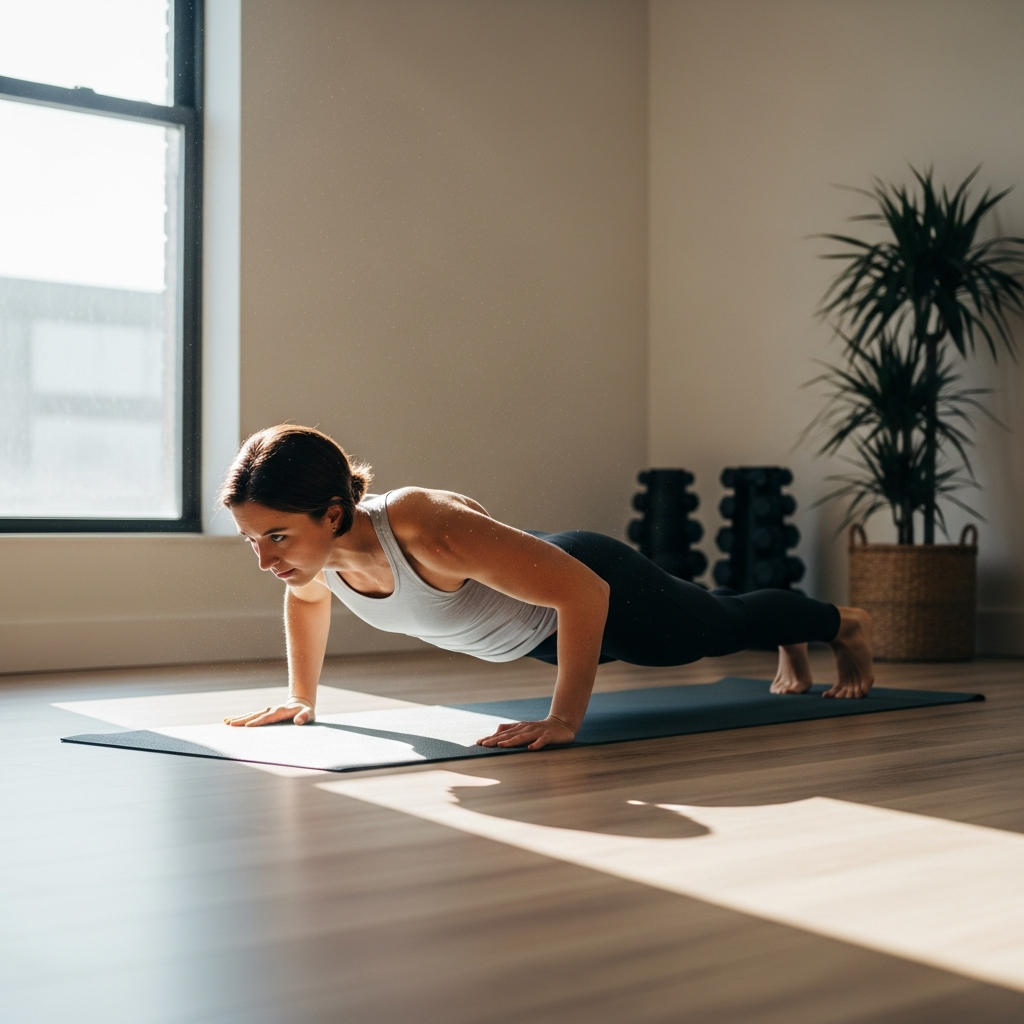
2. Scapular Push-Ups
This variation isolates scapular movement without elbow bending. Start in a plank position with arms straight. Protract your shoulder blades by rounding your upper back, then retract them by squeezing your shoulder blades together. Keep your elbows straight throughout the movement. Aim for 2-3 sets of 10-15 reps.
3. Serratus Anterior Punch
Lie on your back with knees bent. Hold a light weight in one hand with arm extended toward the ceiling. Punch upward by protracting your shoulder blade, lifting your shoulder slightly off the ground. Slowly return to starting position. Complete 2-3 sets of 12-15 reps per side.
4. Prone Y-T-W-L Raises
Lie face down on an incline bench or with a towel roll under your forehead. With thumbs pointing upward, raise your arms to form a Y shape, then T shape, then W shape (elbows bent), and finally L shape (arms at sides, elbows bent 90 degrees). This comprehensive movement pattern activates multiple scapular stabilizers. Perform 2 sets of 8-10 reps for each letter.
5. Band Pull-Aparts
Hold a resistance band with both hands, arms extended in front of you at shoulder height. Keeping arms straight, pull the band apart by squeezing your shoulder blades together. Slowly return to starting position. This exercise strengthens the rhomboids and middle trapezius. Complete 3 sets of 12-15 reps.
6. Scapular Retraction with Resistance Band
Anchor a resistance band at chest height. Hold the band with both hands and step back to create tension. With elbows bent at 90 degrees, squeeze your shoulder blades together while pulling your elbows back. Focus on scapular movement rather than arm pulling. Perform 3 sets of 10-12 reps.
7. Farmer’s Walks
Hold heavy weights (dumbbells or kettlebells) at your sides. Walk slowly while maintaining upright posture and engaged core. This functional exercise builds overall shoulder stability and postural endurance. Start with 30-60 second walks and gradually increase duration.
Proper Form and Common Mistakes to Avoid
Correct form is essential for effective scapular winging correction. Common mistakes include shrugging shoulders upward, arching the lower back excessively, and using momentum instead of controlled movement. Focus on slow, deliberate motions that isolate scapular movement.
Key form tips:
- Keep your neck relaxed and avoid tensing your traps
- Maintain a neutral spine throughout exercises
- Breathe consistently—exhale during the effort phase
- Start with light resistance and perfect your form first
Many people with scapular winging also benefit from upper crossed syndrome exercises, as these conditions often coexist. Addressing both issues simultaneously can lead to more comprehensive postural improvement.
Creating Your Progressive Exercise Program
A structured approach yields the best results for correcting scapular winging. Begin with basic exercises and gradually increase difficulty as your strength improves. Here’s a sample 4-week progression plan:
Weeks 1-2: Foundation Phase
- Focus on wall slides, scapular push-ups, and band pull-aparts
- Perform 2 sets of 10-12 reps for each exercise
- Complete 2-3 sessions per week
Weeks 3-4: Building Phase
- Add serratus anterior punches and prone Y-T-W-L raises
- Increase to 3 sets of 12-15 reps
- Incorporate light resistance as tolerated
Beyond Week 4: Advanced Phase
- Include scapular retraction with bands and farmer’s walks
- Progress to 3-4 sets with increased resistance
- Maintain 2-3 weekly sessions for ongoing maintenance
Complement your scapular work with thoracic mobility exercises for desk workers to address stiffness in the upper back that can contribute to poor shoulder mechanics.
Lifestyle Adjustments for Long-Term Results
Exercise alone may not completely resolve scapular winging if daily habits undermine your progress. Implement these lifestyle adjustments to support your rehabilitation efforts:
Desk Ergonomics:
- Position your monitor at eye level to avoid forward head posture
- Use a chair with proper lumbar support
- Keep elbows close to your body while typing
- Take regular breaks to stretch and move
Daily Habits:
- Practice conscious posture checks throughout the day
- Sleep on your back or side with proper pillow support
- Carry bags evenly distributed or use a backpack
- Incorporate posture-friendly activities like swimming or yoga
These adjustments work synergistically with targeted exercises like those in our guide on how to fix rounded shoulders, creating a comprehensive approach to upper body postural health.
Conclusion
Correcting scapular winging requires patience and consistency, but the results are worth the effort. By incorporating these science-backed exercises into your routine, you can:
- Strengthen the serratus anterior and other scapular stabilizers
- Improve shoulder blade positioning and movement patterns
- Reduce pain and discomfort associated with poor posture
- Enhance overall shoulder function for daily activities and sports
- Prevent future injuries by building resilient shoulder mechanics
Start with the basic exercises and progress gradually as your strength improves. Remember that consistency matters more than intensity—regular practice with proper form yields the best results. Share your progress in the comments below, and don’t hesitate to ask questions about your specific situation!
Medical Disclaimer: This article is for informational purposes only and does not constitute medical advice. Always consult a qualified healthcare provider before making changes to your health routine or if you have specific medical concerns.