
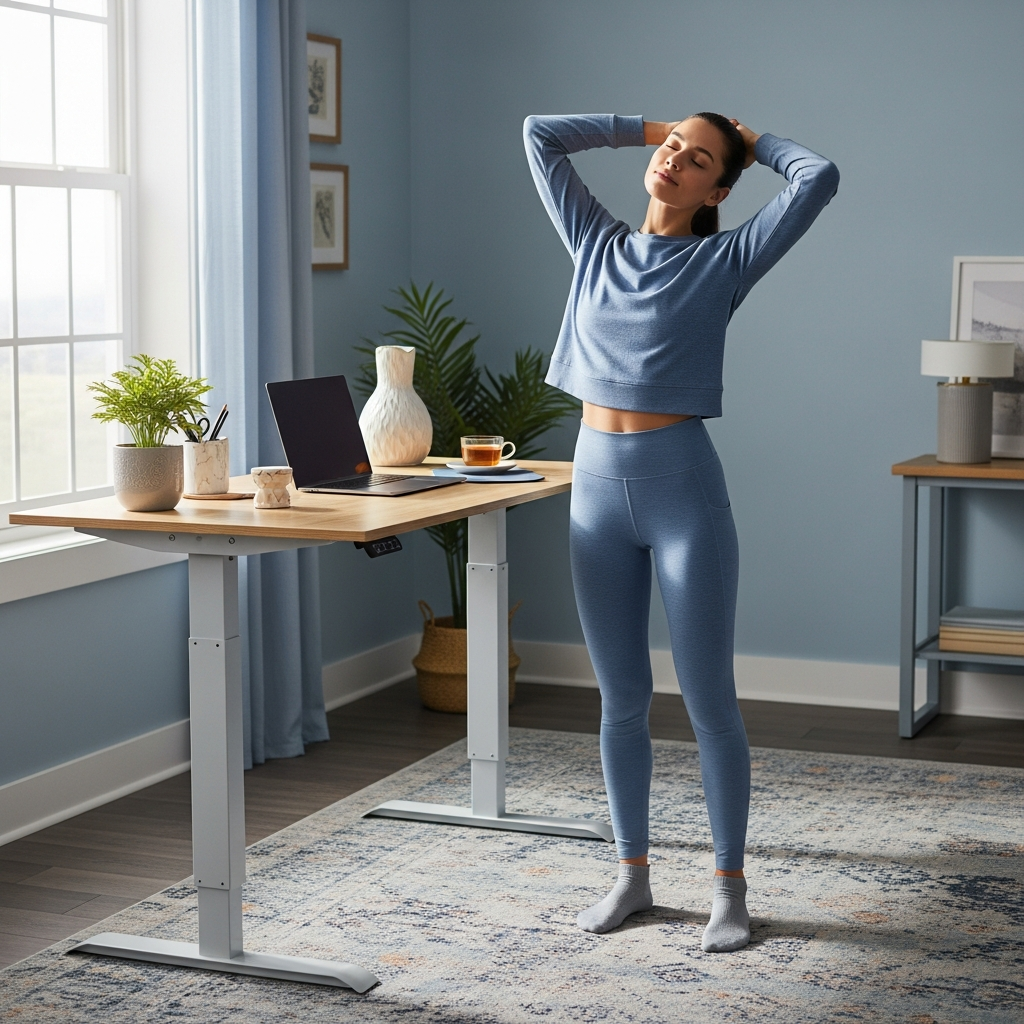
Stress Tension Relief Techniques: Release Muscle Tension from Stress
Do you ever notice your shoulders creeping up toward your ears after a stressful day? Or feel that persistent tightness in your neck and back that just won’t let go? You’re not alone. According to the American Psychological Association, 77% of Americans regularly experience physical symptoms caused by stress, with muscle tension being one of the most common complaints.
For many professionals with sedentary work lifestyles, chronic muscle tension becomes a daily reality. The combination of mental stress and physical inactivity creates a perfect storm for tight muscles, reduced mobility, and persistent discomfort. Learning proper stress tension relief techniques can transform how your body responds to daily pressures.
The good news is that effective stress tension relief techniques can help break this cycle. These science-backed methods address both the psychological and physical aspects of tension, offering real relief for busy individuals. Simple grounding techniques can provide immediate relief while you build longer-term strategies.
The Science Behind Stress and Muscle Tension
Understanding how stress creates physical tension is the first step toward effective relief. When you experience stress, your body activates the sympathetic nervous system, triggering the fight-or-flight response.
How Stress Creates Physical Tension
Stress causes your muscles to contract as part of your body’s protective mechanism. This response prepares you for action, but when stress becomes chronic, muscles remain in a semi-contracted state. According to the National Institute of Mental Health, prolonged muscle tension can lead to headaches, back pain, and other discomforts.
The Fight-or-Flight Response
This ancient survival mechanism releases cortisol and adrenaline, increasing muscle tension throughout your body. While helpful in true emergencies, this response becomes problematic when activated by daily stressors like work deadlines or traffic jams.
Chronic Tension Patterns
Over time, your body develops habitual tension patterns. Common areas include:
- Neck and shoulders (from computer work)
- Jaw (from clenching or grinding)
- Lower back (from prolonged sitting)
- Hips (from limited movement)
Effective stress management requires addressing both the psychological triggers and physical manifestations of tension.
Quick Stress Tension Relief Techniques You Can Do Anywhere
When tension strikes during your workday, these quick stress tension relief techniques can provide immediate relief. Each method takes 5-10 minutes and requires no special equipment.
The 5-Minute Desk Rescue
This simple sequence targets common tension areas:
- Neck Rolls: Slowly roll your head in circles, 5 times each direction
- Shoulder Shrugs: Lift shoulders toward ears, hold for 3 seconds, release
- Seated Cat-Cow: Arch and round your back while seated
- Wrist Circles: Rotate wrists to release forearm tension
Breathing Techniques for Instant Calm
Controlled breathing activates your parasympathetic nervous system, promoting relaxation. Try the 4-7-8 technique:
- Inhale through your nose for 4 seconds
- Hold your breath for 7 seconds
- Exhale through your mouth for 8 seconds
- Repeat 4 times
Progressive Muscle Relaxation Basics
This technique involves systematically tensing and relaxing muscle groups. Start with your feet and work upward. Research from Harvard Health Publishing shows it can significantly reduce muscle tension and anxiety.
For deeper nervous system regulation, explore vagus nerve exercises that can enhance your body’s natural relaxation response.
Best Exercises for Stress-Related Muscle Tension
Targeted exercises can help release chronic tension patterns. These movements address specific areas where stress commonly accumulates. Regular practice of these best exercises for stress-related muscle tension can improve mobility and reduce discomfort.
Neck and Shoulder Release Moves
Many people develop tension in their neck and shoulders from computer work. Try these releases:
- Chin Tucks: Gently draw your chin backward without tilting your head
- Ear to Shoulder Stretch: Slowly tilt your head toward each shoulder
- Shoulder Blade Squeezes: Pull shoulder blades together and hold
If you notice your head jutting forward, our guide on correcting forward head posture provides specific exercises to address this common issue.
Back and Spine Mobility Exercises
Maintaining spinal mobility is crucial for tension relief. Incorporate these movements:
- Child’s Pose: Kneel and fold forward to stretch your back
- Spinal Twists: Gently rotate your spine while seated or lying down
- Cat-Cow Flow: Move between arching and rounding your back
Full-Body Stretching Routines
A comprehensive stretching routine addresses multiple muscle groups. Pay special attention to your hips, as tight hip flexors often contribute to back tension. Learn more about releasing tight hip flexors to improve overall posture and reduce compensatory tension.
Building Sustainable Stress Management Habits
While quick fixes help in the moment, lasting relief requires consistent stress management practices. Building these habits into your daily routine can prevent tension from accumulating.
Daily Mindfulness Practices
Mindfulness helps you become aware of tension before it becomes severe. Simple practices include:
- 3-minute breathing breaks every 2 hours
- Body awareness checks throughout the day
- Mindful walking during breaks
Movement Integration Strategies
Incorporate movement into your sedentary workday:
- Set reminders to stand and stretch every 30 minutes
- Take walking meetings when possible
- Use a standing desk or adjustable workstation
Sleep and Recovery Essentials
Quality sleep is essential for muscle recovery and stress regulation. Poor sleep can exacerbate tension and reduce pain tolerance. A regular body scan meditation before bed can help release physical tension and improve sleep quality.
Advanced Techniques for Persistent Muscle Tension
For chronic or severe tension, these advanced approaches may provide additional relief. These methods require more time and sometimes professional guidance.
Myofascial Release Methods
Myofascial release targets the connective tissue surrounding muscles. Techniques include:
- Foam rolling for large muscle groups
- Lacrosse ball work for trigger points
- Professional myofascial release therapy
Biofeedback and Body Awareness
Biofeedback devices can help you become more aware of subtle tension patterns. These tools measure physiological responses like muscle activity, helping you learn to control tension consciously.
Professional Support Options
When self-care isn’t enough, consider professional support:
- Physical therapy for specific tension patterns
- Massage therapy for muscular release
- Stress management counseling for psychological aspects
Creating Your Personalized Stress Relief Routine
The most effective approach combines multiple techniques into a personalized routine. Your ideal stress tension relief techniques will depend on your specific tension patterns, lifestyle, and preferences.
Assessing Your Tension Patterns
Start by identifying where you hold tension:
- Notice which areas feel tight throughout the day
- Track when tension increases (certain tasks, times of day)
- Identify triggers that worsen your muscle tension
Building Your Toolkit
Select techniques from each category:
- 1-2 quick relief methods for immediate use
- 3-4 targeted exercises for your problem areas
- 2-3 daily habits for prevention
- 1-2 advanced techniques for deeper work
Tracking Progress and Adjusting
Monitor your results and adjust your routine as needed. Notice improvements in:
- Reduced pain and discomfort
- Improved mobility and flexibility
- Decreased frequency of tension headaches
- Better sleep quality
Key Takeaways and Next Steps
Releasing chronic muscle tension requires a multifaceted approach. Remember these essential points:
- Stress creates physical tension through the fight-or-flight response
- Quick relief techniques provide immediate comfort during stressful moments
- Targeted exercises address specific tension patterns
- Consistent habits prevent tension from accumulating
- Personalized routines work best for long-term relief
Start today by choosing one technique from this guide. Practice it consistently for a week, then add another. The most effective stress tension relief techniques are those you actually use regularly.
Share your experiences in the comments below! Which techniques worked best for you? What challenges did you face? Your insights can help others on their journey to tension-free living.
Medical Disclaimer: This article is for informational purposes only and does not constitute medical advice. Always consult a qualified healthcare provider before making changes to your health routine or if you have specific medical concerns.