Stop Panic Attack: 7 Natural Techniques That Work Fast
Imagine your heart racing, palms sweating, and feeling like you can’t breathe—this is what millions experience during a panic attack. According to the Anxiety and Depression Association of America, panic disorder affects about 6 million adults in the U.S. These sudden episodes of intense fear can feel overwhelming, but learning how to stop panic attack symptoms naturally is possible. This comprehensive guide provides both immediate relief techniques and long-term prevention strategies. You’ll discover evidence-based methods that can help you regain control during those frightening moments and reduce future occurrences.
Understanding Panic Attacks: Symptoms and Triggers
Before learning how to manage panic attacks, it’s helpful to recognize what you’re experiencing. The National Institute of Mental Health defines panic attacks as sudden periods of intense fear that peak within minutes. Understanding your symptoms can help you respond more effectively when they occur.
Common Physical Symptoms
Panic attack symptoms often include rapid heartbeat, sweating, trembling, shortness of breath, chest pain, nausea, dizziness, and chills or hot flashes. These physical sensations can be frightening but remember they’re temporary. Your body is experiencing a “fight or flight” response that will pass.
Emotional and Cognitive Signs
Alongside physical symptoms, you may experience feelings of impending doom, fear of losing control, derealization (feeling detached from reality), or depersonalization (feeling detached from yourself). These thoughts can intensify the panic, which is why cognitive techniques are so valuable.
Typical Triggers
Panic attacks can occur unexpectedly or in response to specific triggers. Common triggers include stressful life events, certain phobias, major life transitions, caffeine or stimulant consumption, and hyperventilation. Identifying your personal triggers can help with prevention.
Immediate Relief: The 5-Minute Emergency Protocol to Stop Panic Attack
When a panic attack strikes, having a clear protocol can make all the difference. This 5-step emergency plan provides immediate relief and helps you stop panic attack symptoms quickly. Practice these steps when you’re calm so they become automatic during distressing moments.
Step 1: Acknowledge and Accept
The first step is to acknowledge what’s happening without judgment. Say to yourself, “This is a panic attack. It’s uncomfortable but temporary.” Research shows that accepting anxiety rather than fighting it can reduce its intensity and duration.
Step 2: Find a Safe Space
If possible, move to a quiet, comfortable location. Sit down if you’re standing. Removing yourself from stimulating environments can help your nervous system begin to calm. Even stepping into a bathroom or quiet room can provide the privacy needed to implement calming techniques.
Step 3: Begin Controlled Breathing
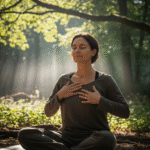
Immediately start deep, controlled breathing. Place one hand on your chest and the other on your belly. Breathe in slowly through your nose for 4 seconds, hold for 7 seconds, and exhale through your mouth for 8 seconds. Repeat this cycle 4-5 times.
Step 4: Use Grounding Techniques
Grounding brings your attention to the present moment. Try the 5-4-3-2-1 method: identify 5 things you can see, 4 things you can touch, 3 things you can hear, 2 things you can smell, and 1 thing you can taste. This technique interrupts panic spirals effectively.
Step 5: Self-Compassion Statements
Speak kindly to yourself. Say, “This is difficult, but I can handle it. I’ve gotten through this before. My body is trying to protect me.” Self-compassion has been shown to reduce anxiety symptoms according to psychological research.
Breathing Techniques for Instant Calm
Proper breathing is one of the most effective ways to calm your nervous system during anxiety. When you panic, your breathing becomes rapid and shallow, which exacerbates symptoms. These breathing exercises can help restore balance quickly.
The 4-7-8 Breathing Method
Developed by Dr. Andrew Weil, this technique involves breathing in for 4 seconds, holding for 7 seconds, and exhaling for 8 seconds. The extended exhale activates your parasympathetic nervous system, which promotes relaxation. Practice this daily to make it more effective during panic episodes.
Diaphragmatic Breathing
Also called belly breathing, this technique involves breathing deeply into your diaphragm rather than your chest. Place one hand on your chest and one on your belly. As you inhale, your belly should rise more than your chest. This type of breathing is particularly effective for box breathing technique variations that can provide structured relief.
Alternate Nostril Breathing
This yogic breathing technique involves closing one nostril while breathing through the other, then switching. Research suggests it can balance the nervous system and reduce anxiety. While it may be challenging during intense panic, it’s excellent for milder anxiety or as a preventive practice.
Grounding Methods to Regain Control
Grounding techniques help anchor you in the present moment when panic makes you feel disconnected from reality. These methods use your senses to interrupt anxious thoughts and bring your focus back to your immediate environment.
The 5-4-3-2-1 Technique
This popular grounding exercise engages all five senses systematically. Start by looking around and naming 5 things you can see. Then notice 4 things you can touch or feel. Listen for 3 distinct sounds. Identify 2 smells you can detect. Finally, notice 1 taste in your mouth. This method is particularly effective because it requires focused attention.
Physical Grounding Exercises
Physical sensations can powerfully ground you during panic. Try pressing your feet firmly into the floor, holding a cold object, or stretching your arms and legs. The grounding techniques we’ve explored in detail can provide additional options for physical anchoring during anxiety episodes.
Mental Grounding Strategies
Mental grounding involves cognitive exercises like counting backward from 100 by 7s, naming all the states in alphabetical order, or describing an object in extreme detail. These tasks require enough mental focus to interrupt panic thoughts without being overwhelming.
Long-Term Prevention Strategies
While immediate relief techniques are crucial, preventing panic attacks requires consistent practice of calming strategies. Building these habits into your daily routine can significantly reduce both the frequency and intensity of panic episodes over time.
Regular Mindfulness Practice
Daily mindfulness meditation can rewire your brain’s response to stress. Studies show that regular practice reduces activity in the amygdala (the brain’s fear center) and strengthens prefrontal cortex connections. Even 10 minutes daily of mindfulness meditation can create noticeable changes in anxiety levels within weeks.
Cognitive Behavioral Techniques
Cognitive Behavioral Therapy (CBT) techniques help identify and challenge anxiety-provoking thoughts. Keep a thought journal to track patterns, practice cognitive restructuring (changing negative thoughts to more balanced ones), and gradually expose yourself to anxiety triggers in controlled ways. The American Psychological Association recognizes CBT as highly effective for panic disorder.
Stress Management Routine
Developing a consistent stress management routine is essential for prevention. This might include daily exercise, regular sleep schedules, time in nature, creative hobbies, or social connection. Consistency matters more than intensity—small daily practices create resilience over time.
Natural Alternatives and Lifestyle Changes
Beyond specific techniques, certain lifestyle adjustments and natural approaches can support your nervous system and reduce panic attack vulnerability. These changes work gradually to build overall resilience against anxiety.
Dietary Considerations
What you eat affects anxiety levels. Reduce caffeine, sugar, and processed foods, which can trigger anxiety symptoms. Increase magnesium-rich foods (leafy greens, nuts, seeds), omega-3 fatty acids (fatty fish, walnuts), and complex carbohydrates. Stay hydrated, as dehydration can mimic anxiety symptoms.
Exercise and Movement
Regular physical activity is one of the most effective natural anxiety remedies. Aim for 30 minutes of moderate exercise most days. Yoga, tai chi, and walking in nature are particularly beneficial for anxiety. Exercise releases endorphins, reduces muscle tension, and improves sleep—all of which help prevent panic attacks.
Sleep Hygiene
Poor sleep increases vulnerability to anxiety and panic. Establish a consistent sleep schedule, create a relaxing bedtime routine, limit screen time before bed, and ensure your bedroom is cool, dark, and quiet. Adequate sleep helps regulate emotions and stress responses.
Herbal Supplements (with Caution)
Some herbal supplements may support anxiety management, including chamomile, lavender, passionflower, and valerian root. However, always consult your doctor before trying supplements, as they can interact with medications. These should complement, not replace, other stress relief techniques and professional treatment when needed.
Addressing Thought Patterns
Learning to manage catastrophic thinking patterns is crucial for long-term panic prevention. Cognitive techniques that help you recognize and challenge exaggerated fears can reduce the likelihood of panic attacks developing from everyday anxiety.
Conclusion: Your Path to Calm
Learning how to stop panic attack symptoms naturally involves both immediate techniques and long-term strategies. Remember that progress takes practice and patience. You now have a comprehensive toolkit for managing panic attacks effectively.
Key Takeaways:
- Panic attacks are temporary, though frightening, episodes that respond well to natural techniques
- The 5-minute emergency protocol provides immediate relief during attacks
- Regular practice of breathing and grounding techniques builds resilience
- Lifestyle changes support long-term prevention and overall wellbeing
- Professional help is valuable for persistent or severe panic symptoms
Start by practicing one technique when you’re calm, then gradually build your skills. Share what works for you with others who might benefit, and remember that seeking professional support is a sign of strength, not weakness. You have the power to manage panic and reclaim your sense of calm.
Medical Disclaimer: This article is for informational purposes only and does not constitute medical advice. Always consult a qualified healthcare provider before making changes to your health routine or if you have specific medical concerns.