
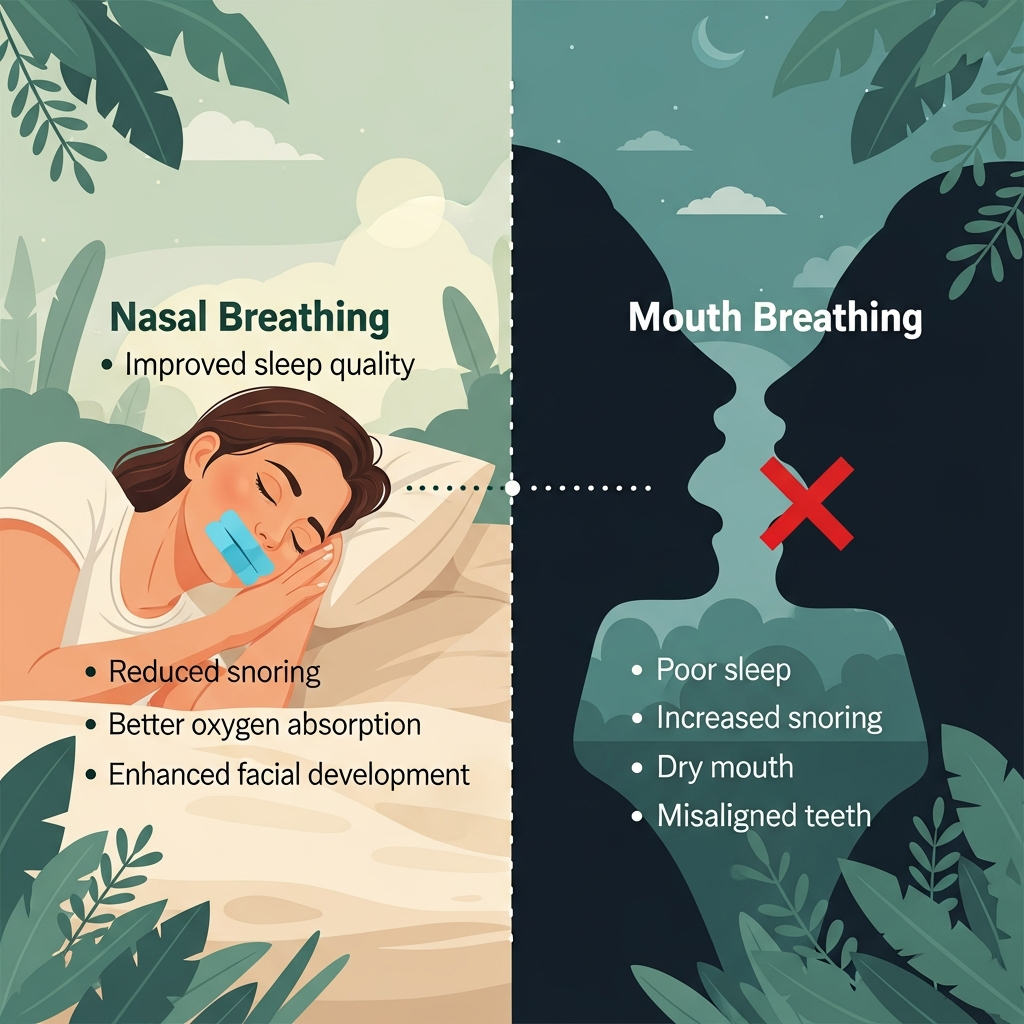
stop mouth breathing is essential for achieving deep, restorative sleep every night. This habit significantly impacts your overall health and daily energy levels.
Many people struggle with this issue without realizing its effects. Fortunately, effective solutions exist to help you breathe freely.
Table of Contents
What Is stop mouth breathing and Why It Matters
Understanding stop mouth breathing requires looking at how our bodies are designed. We are biologically meant to breathe through our noses.
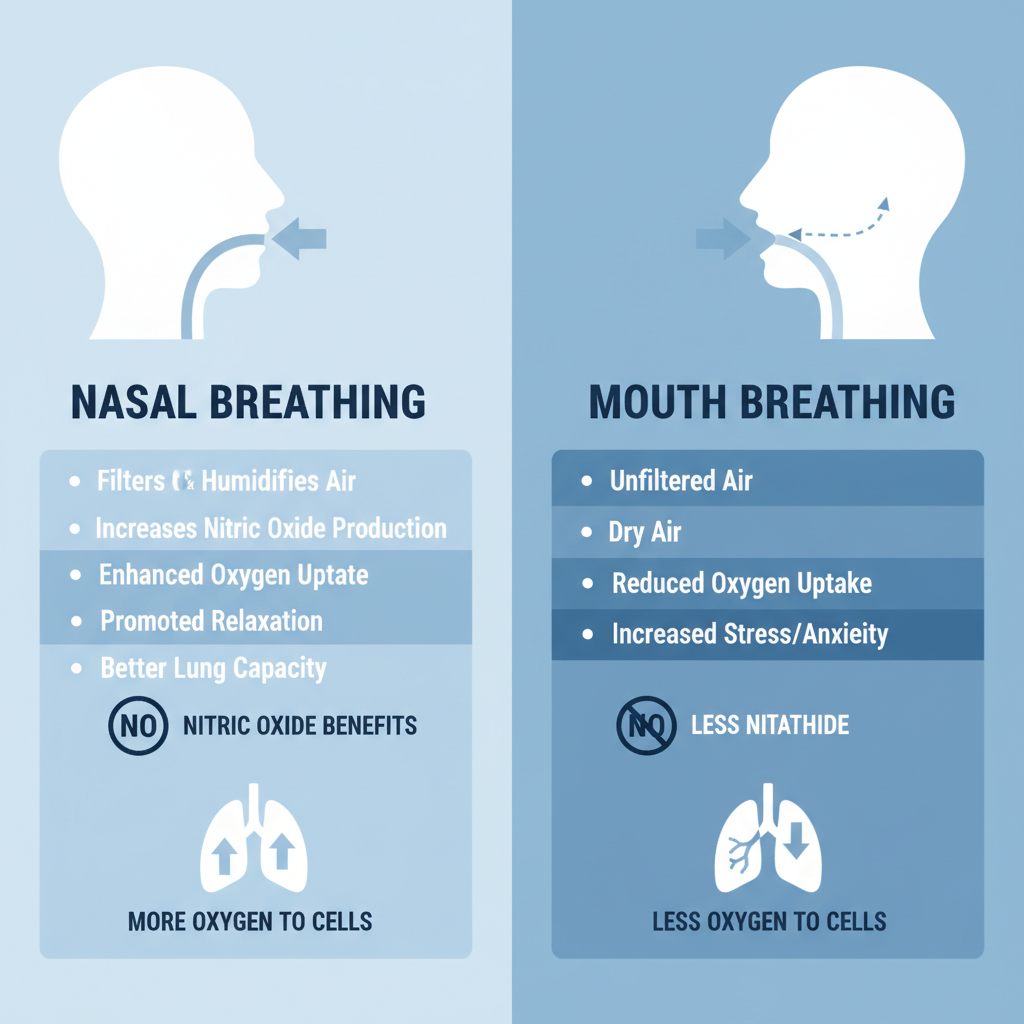
According to research shows, the nose acts as a sophisticated filter. It warms and humidifies air before it reaches the lungs.
When you bypass the nose, cold and dry air hits the throat. This often leads to irritation and inflammation.
Nasal congestion is a primary driver of mouth breathing. Allergies cause tissues inside the nose to swell.
This swelling blocks the natural airway significantly. Your body automatically switches to mouth breathing to survive.
Anatomical issues like a deviated septum also contribute. This physical blockage restricts airflow on one or both sides.
Enlarged tonsils or adenoids can obstruct breathing too. This is particularly common in young children.
Chronic mouth breathing changes facial structure over time. It can lead to a longer, narrower face shape.
Dental health suffers greatly from open-mouth sleeping. Saliva evaporates, leaving teeth vulnerable to bacteria.
This dryness increases the risk of cavities and gum disease. It also causes persistent bad breath in the morning.
Sleep apnea is closely linked to mouth breathing habits. The airway collapses more easily when the mouth is open.
This leads to interrupted sleep cycles throughout the night. You wake up feeling tired despite spending hours in bed.
Stress impacts your breathing patterns as well. High stress often triggers shallow, rapid mouth breaths.
Recognizing these causes is the first step to recovery. You must identify what triggers your specific habit.
Keep a journal to track your sleep quality. Note if you wake up with a dry mouth or headache.
Observe your breathing during the day as well. Daytime habits often transfer to your unconscious sleep state.
Poor posture can compress your lungs and diaphragm. Slouching makes nasal breathing more difficult.
Dehydration affects the mucus membranes in your nose. Dry tissues become irritated and swollen easily.
Address these underlying factors systematically. Small adjustments can lead to major improvements.
Consult a specialist if structural issues are suspected. Sometimes medical intervention is necessary for relief.
However, for many, behavioral changes are enough. Consistently practicing better habits yields results.

stop mouth breathing Benefits for Daily Life
The stop mouth breathing benefits extend far beyond just better sleep. Your entire body functions better with nasal breathing.
Check our wellness resources for more tools. These complement your practice perfectly.
Top stop mouth breathing Advantages
- Reduces stress: Calms your nervous system naturally.
- Improves sleep: Helps you rest better at night.
- Boosts energy: Increases natural vitality.
- Enhances mood: Promotes positive feelings.
- Builds consistency: Creates lasting habits.
Mayo Clinic experts confirm these benefits. The nose produces nitric oxide, a vital molecule.
Nitric oxide helps your body absorb oxygen efficiently. It dilates blood vessels and lowers blood pressure.
Mouth breathing does not produce this essential gas. You miss out on a key health booster.
Improved oxygenation aids cognitive function during the day. Brain fog lifts when you breathe correctly.
Focus and concentration improve significantly at work. You can handle complex tasks with greater ease.
Athletic performance sees a major upgrade too. Nasal breathing increases stamina and reduces fatigue.
Runners find they can go further without exhaustion. Recovery times after workouts are much faster.
Your immune system gets a powerful advantage. The nose traps viruses and bacteria before entry.
Mouth breathing bypasses this natural defense system. This makes you more susceptible to colds and flu.
Oral health improves as saliva levels normalize. Natural saliva protects enamel from acid erosion.
Gum inflammation decreases with proper hydration. Your dentist will notice the difference at your next visit.
Facial development in children remains balanced. This prevents the need for extensive orthodontics later.
Adults maintain a stronger jawline definition. It helps prevent the appearance of premature aging.
Snoring is often reduced or eliminated completely. This improves sleep quality for your partner too.
Relationships benefit from a quieter bedroom environment. Everyone gets the rest they deserve.
Anxiety levels are easier to manage naturally. Nasal breathing activates the parasympathetic nervous system.
This system signals safety and relaxation to the brain. It counters the fight-or-flight response effectively.
Digestive health is linked to this relaxation state. Your body digests food better when you are calm.
Deep sleep stages become longer and more frequent. This is when physical repair and growth hormone release happen.
You wake up feeling truly refreshed and ready. The morning grogginess disappears with time.
Investing in your breath is investing in your life. The returns on this effort are immeasurable.
How to Practice stop mouth breathing Effectively
Starting stop mouth breathing is simple but requires consistency. Follow these proven steps for best results.
Begin by ensuring your nasal passages are clear. Use a saline rinse to remove blockages.
Review our health guidelines before starting. Safety always comes first.
Sleep position plays a massive role in breathing. Sleeping on your back often causes the tongue to fall back.
This obstructs the airway and forces the mouth open. Try sleeping on your side for better airflow.
Use a body pillow to maintain this position comfortably. It prevents you from rolling over during deep sleep.
Elevate your head slightly with a supportive pillow. This uses gravity to help drain sinuses.
Mouth tape is a controversial but effective tool. It provides a physical reminder to keep lips sealed.
Use tape specifically designed for sensitive skin. Apply a small strip vertically across the center of your lips.
Test this while awake to get used to the feeling. Do not use strong adhesives that could damage skin.
Nasal strips can mechanically widen your nostrils. They sit on the bridge of the nose and pull gently.
This reduces resistance to airflow significantly. It makes nasal breathing feel effortless and natural.
Combine strips with mouth tape for maximum effect. This dual approach works well for beginners.
Control the environment in your bedroom. Dry air is a major enemy of nasal breathing.
Run a humidifier to maintain 40 to 60 percent humidity. Moist air keeps nasal tissues healthy.
Clean your humidifier regularly to prevent mold growth. Mold spores can trigger allergies and congestion.
Keep pets out of the sleeping area if possible. Pet dander is a common allergen that lingers.
Wash your bedding weekly in hot water. This kills dust mites that cause stuffiness.
Consider using an air purifier with a HEPA filter. It removes fine particles and pollen from the air.
Dietary choices impact your breathing as well. Dairy products can increase mucus production in some people.
Notice if cheese or milk makes you feel congested. Reduce these foods before bed if you are sensitive.
Avoid heavy meals late in the evening. A full stomach puts pressure on the diaphragm.
Finish eating at least three hours before sleep. This allows digestion to settle completely.
Limit alcohol consumption at night. Alcohol relaxes the muscles of the throat too much.
This relaxation leads to airway collapse and snoring. Skipping the nightcap can improve airflow.
Practice conscious breathing during the day. Keep your mouth closed while working or watching TV.
Building this muscle memory is crucial. It eventually translates to your unconscious sleep habits.
Be patient with yourself during this process. Retraining the body takes time and persistence.
stop mouth breathing Techniques From Experts
Experts recommend several approaches for stop mouth breathing. WebMD studies highlight specific exercises.
The Buteyko Breathing Method is widely respected. It focuses on reducing breathing volume and rate.
Sit comfortably and relax your shoulders completely. Take a small breath in through your nose.
Exhale gently through your nose. Pinch your nose and hold your breath briefly.
Wait until you feel a slight need for air. Release and breathe gently through your nose again.
This technique retrains your tolerance for carbon dioxide. It encourages lighter, more efficient breathing.
Practice this for a few minutes three times daily. Consistency is key to seeing long-term changes.
Alternate nostril breathing balances the airways. It is a calming technique derived from yoga.
Close your right nostril with your thumb. Inhale deeply through the left nostril.
Close the left nostril with your ring finger. Exhale fully through the right nostril.
Inhale through the right nostril now. Close it and exhale through the left.
Repeat this cycle for five minutes before bed. It clears the mind and opens the nasal passages.
Diaphragmatic breathing strengthens respiratory muscles. Lie down and place a hand on your belly.
Inhale so that your hand rises visibly. Your chest should remain relatively still.
Exhale slowly and let your hand fall. This ensures you are using your full lung capacity.
Strong diaphragm muscles support better breathing mechanics. Weak muscles often lead to shallow mouth breathing.
Tongue posture is another critical factor. The tongue should rest on the roof of the mouth.
Place the tip just behind your front teeth. Suction the rest of the tongue upwards.
This position naturally keeps the airway open. It also supports the jaw structure from within.
Practice holding this position throughout the day. It prevents the jaw from dropping open while relaxed.
Myofunctional therapy offers targeted exercises. It is like physical therapy for the face and mouth.
One exercise involves clicking the tongue loudly. Another is pushing the tongue against the cheek.
These movements tone the muscles of the throat. Better muscle tone prevents airway collapse at night.
Chin straps can be used as a training aid. They physically support the jaw during sleep.
Use them if you find mouth tape difficult. Ensure the strap is comfortable and not too tight.
Combine mechanical aids with daily exercises. This holistic approach addresses the root cause.
Monitor your progress and adjust as needed. What works for one person may differ for another.
Celebrate small victories, like waking up with a moist mouth. These signs indicate your hard work is paying off.
Start Your stop mouth breathing Journey Today
Now is the perfect time to begin stop mouth breathing. Small steps lead to big transformations.
Explore our more articles for additional guidance. We support your wellness journey.
Create a dedicated bedtime routine tonight. Turn off screens an hour before sleep to relax.
Blue light interferes with melatonin production. Darkness signals your body to prepare for rest.
Stretch your neck and shoulders gently. Releasing tension here helps the jaw relax.
Sip on warm herbal tea like chamomile. Avoid caffeine and sugar in the evening hours.
Make your bedroom a sanctuary for sleep. Keep it cool, dark, and quiet for best results.
Engage your partner in your new goals. Their support can help keep you accountable.
Ask them to nudge you if you start snoring. Feedback helps you correct position during the night.
Don’t get discouraged if you slip up. Building new habits takes time and patience.
Every night is a new opportunity to practice. Focus on progress rather than perfection.
Your health is worth the effort required. Better sleep impacts every aspect of your life.
Ready to transform your life with stop mouth breathing? Start today and experience the difference.