
Sleep Efficiency Tips: Science-Backed Steps for Better Rest
Do you spend 8 hours in bed but wake up feeling like you only slept 4? You’re not alone. According to the CDC, one in three adults doesn’t get enough sleep. For busy professionals, the problem isn’t always sleep duration—it’s sleep efficiency. These sleep efficiency tips can help you maximize rest from limited time. This guide provides science-backed steps for better sleep quality. You’ll learn how to transform your rest without adding hours to your schedule. Simple changes can make a big difference. Techniques like the 4-7-8 breathing method can help you fall asleep faster and sleep more deeply.
Understanding Sleep Efficiency vs. Sleep Duration
Sleep efficiency measures how much time you actually sleep versus time spent in bed. It’s calculated as (time asleep ÷ time in bed) × 100. An efficiency of 85% or higher is considered good. Many people focus on sleep duration while ignoring sleep quality improvement. Research shows that six hours of efficient sleep can be more restorative than eight hours of fragmented sleep. The National Sleep Foundation emphasizes that quality matters as much as quantity.
Why Efficiency Matters More Than Hours
Sleep consists of cycles lasting about 90 minutes each. Each cycle includes light sleep, deep sleep, and REM sleep. Deep sleep is particularly important for physical restoration. When sleep is inefficient, you may miss these crucial stages. Waking frequently disrupts the natural progression through sleep cycles. This leads to feeling tired despite adequate time in bed. Understanding this distinction is the first step toward better rest.
Measuring Your Current Sleep Efficiency
You can track your sleep efficiency using several methods. Wearable devices like fitness trackers provide detailed sleep data. Smartphone apps can also monitor sleep patterns through movement and sound. For a simple approach, keep a sleep diary for two weeks. Note when you get in bed, when you fall asleep, and when you wake up. This baseline helps you measure improvement as you implement new strategies.
Optimizing Your Sleep Environment
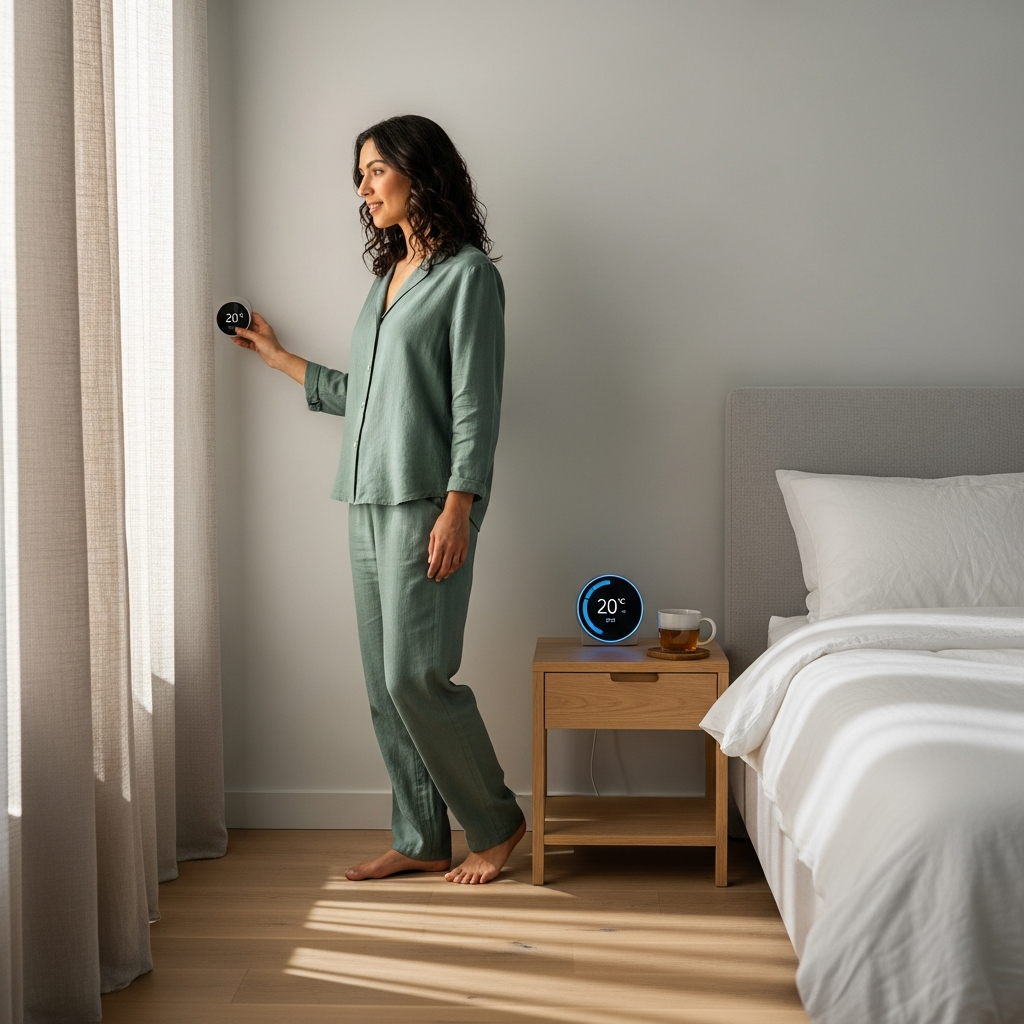
Your bedroom environment significantly impacts sleep efficiency. Creating an ideal sleep space supports better rest. These sleep optimization techniques focus on environmental factors you can control. Start with temperature, as research shows cooler rooms promote better sleep. The ideal range is between 60-67°F (15-19°C). Our optimal sleep temperature guide provides detailed recommendations for different seasons and climates.
Light and Noise Control Strategies
Complete darkness supports melatonin production, your sleep hormone. Use blackout curtains or a sleep mask to block external light. Eliminate or cover electronic lights from devices. For noise, consider white noise machines or earplugs. Consistent, low-level background noise can mask disruptive sounds. These adjustments help you stay asleep throughout the night. They also support increasing deep sleep phases for more restorative rest.
Bedding and Mattress Considerations
Your mattress and pillows should support proper spinal alignment. Replace mattresses every 7-10 years for optimal support. Choose bedding materials that regulate temperature well. Natural fibers like cotton and bamboo are breathable options. Keep your bedroom dedicated primarily to sleep and intimacy. This strengthens the mental association between your bed and rest.
Establishing a Pre-Sleep Routine
A consistent wind-down routine signals your body that sleep is approaching. This is one of the most effective sleep hygiene practices for busy professionals. Start your routine 60-90 minutes before your target bedtime. Begin by reducing screen time and bright lights. The blue light from devices suppresses melatonin production. This makes falling asleep more difficult.
Relaxation Techniques for Better Sleep Onset
Incorporate calming activities into your evening routine. Gentle stretching or yoga can release physical tension. Reading a physical book (not on a screen) helps quiet the mind. Meditation or mindfulness practices reduce stress and anxiety. Warm baths or showers raise your body temperature slightly. The subsequent cooling mimics the natural temperature drop before sleep. This physiological change promotes drowsiness.
Digital Detox Before Bed
Establish a digital curfew at least one hour before bedtime. Charge electronic devices outside the bedroom if possible. Use night mode settings on devices if you must use them. Consider using apps that filter blue light automatically. The Mayo Clinic Sleep Guidelines recommend avoiding stimulating content before bed. This includes news, work emails, and social media.
Managing Light Exposure and Circadian Rhythm
Your circadian rhythm is your internal 24-hour clock. It regulates sleep-wake cycles based on light exposure. Proper light management is crucial for rest efficiency methods. Morning light exposure helps reset your rhythm daily. Aim for 15-30 minutes of natural light within an hour of waking. This signals your body that daytime has begun.
Evening Light Management
Reduce bright light exposure in the evening. Use dimmer switches or lower-wattage bulbs after sunset. Install blue light filters on electronic devices. Consider wearing blue-light-blocking glasses in the evening. These measures help maintain natural melatonin production. They support falling asleep at your desired time. For those with irregular schedules, our guide on resetting your circadian rhythm offers targeted strategies.
Consistent Sleep Schedule
Go to bed and wake up at the same time every day, even on weekends. Consistency strengthens your circadian rhythm. It makes falling asleep and waking up easier over time. If you need to adjust your schedule, do so gradually. Shift your bedtime by 15-30 minutes earlier each night. This gradual approach minimizes disruption to your sleep pattern.
Nutrition and Exercise for Better Sleep
What you eat and when you exercise affects sleep efficiency. These factors are particularly important for how to improve sleep efficiency for busy professionals. Timing matters as much as content when it comes to meals and workouts. Avoid large meals within three hours of bedtime. Digestion can interfere with sleep quality and comfort.
Food and Drink Considerations
Caffeine has a half-life of 5-6 hours in most adults. Avoid caffeine after 2 PM for a 10 PM bedtime. Alcohol may help you fall asleep faster but disrupts sleep later. It reduces REM sleep and can cause nighttime awakenings. Stay hydrated throughout the day but reduce fluids before bed. This minimizes nighttime bathroom trips that disrupt sleep continuity.
Exercise Timing and Type
Regular exercise improves sleep quality for most people. However, timing is important for optimal results. Morning or afternoon exercise tends to support better sleep. Vigorous exercise within three hours of bedtime may be stimulating. Gentle evening activities like walking or stretching are exceptions. These can actually promote relaxation before sleep.
Tracking and Measuring Your Progress
Implementing changes without tracking results limits improvement. Monitoring helps identify what are the best sleep efficiency techniques for you. Different strategies work for different people based on lifestyle and biology. Start with one or two changes at a time. This allows you to assess their impact before adding more.
Sleep Tracking Methods
Wearable devices provide the most detailed sleep data. They track sleep stages, movement, and heart rate variability. Smartphone apps use accelerometers and microphones to monitor sleep. Sleep diaries offer a low-tech alternative with valuable insights. Track parameters like time to fall asleep, nighttime awakenings, and morning energy. Compare these metrics weekly to identify trends and improvements.
Adjusting Your Approach
Review your sleep data every two weeks. Identify which strategies are working and which aren’t. Be patient—sleep improvements often take 2-4 weeks to become noticeable. If certain approaches aren’t helping, try alternatives. For example, if meditation isn’t relaxing you, try gentle stretching instead. Personalization is key to sustainable sleep improvement.
Conclusion: Putting It All Together
Improving sleep efficiency doesn’t require drastic lifestyle changes. Small, consistent adjustments yield significant results over time. Remember these key takeaways:
- Focus on sleep quality rather than just duration
- Optimize your environment for temperature, light, and noise control
- Establish consistent routines for winding down and waking up
- Manage light exposure to support your natural circadian rhythm
- Track your progress and adjust strategies as needed
Start tonight by implementing one change from this guide. Perhaps begin with a consistent bedtime or creating a better sleep environment. Each improvement builds upon the last. For additional support, explore our comprehensive evening wind-down routine guide. Share your experiences in the comments below—what sleep efficiency tips have worked best for you?
Medical Disclaimer: This article is for informational purposes only and does not constitute medical advice. Always consult a qualified healthcare provider before making changes to your health routine or if you have specific medical concerns.