
Post-Meal Digestion Exercises: Boost Gut Health After Eating
Have you ever finished a satisfying meal only to feel sluggish, bloated, or uncomfortable afterward? You’re not alone. Research shows that nearly 70% of adults experience digestive discomfort after eating, with symptoms ranging from mild bloating to significant discomfort. This common problem affects productivity, mood, and overall well-being. Fortunately, simple post-meal digestion exercises can transform how your body processes food. These gentle movements may help stimulate digestion, reduce bloating, and increase energy levels. If you struggle with bloating after eating, incorporating these exercises could be a game-changer for your digestive health.
The Science Behind Post-Meal Movement
Understanding why movement helps digestion is key to making it a consistent habit. When you eat, your body directs blood flow to your digestive system to process nutrients. Gentle exercise after meals can enhance this process in several important ways.
How Exercise Supports Digestive Function
Research from Harvard Health Publishing suggests that light physical activity after eating may help stimulate the muscles in your digestive tract. This gentle stimulation can promote more efficient movement of food through your system. Additionally, exercise helps regulate blood sugar levels, which is particularly beneficial after carbohydrate-rich meals.
Postprandial activity, or movement after eating, has been shown to reduce symptoms of indigestion and discomfort. The American Gastroenterological Association notes that regular light exercise can support overall gut health. These digestive health workouts don’t need to be intense to be effective.
The Mind-Gut Connection
Stress and anxiety can significantly impact digestion. When you’re stressed, your body enters “fight or flight” mode, which slows digestive processes. Gentle after meal exercises can help activate the parasympathetic nervous system, promoting relaxation and better digestion. Combining movement with grounding techniques for anxiety creates a powerful approach to digestive wellness.
When to Exercise After Eating: Timing Matters
One of the most common questions people have is how soon after eating should you exercise. The timing depends on several factors, including the size of your meal and the type of exercise you plan to do.
General Timing Guidelines
For light activities like walking or gentle stretching, waiting 15-30 minutes after eating is generally recommended. This gives your body time to begin the digestive process. For more moderate activities, waiting 60-90 minutes is advisable. Large meals may require longer waiting periods before exercise.
The Mayo Clinic suggests that light walking immediately after meals can be beneficial for people with diabetes to help manage blood sugar levels. However, vigorous exercise immediately after eating may cause discomfort or digestive issues for some individuals.
Listening to Your Body
Everyone’s digestive system is unique. Pay attention to how your body responds to different timing approaches. Start with shorter waiting periods and gradually adjust based on your comfort level. Remember that consistency matters more than perfection when establishing new health habits.
7 Office-Friendly Post-Meal Exercises
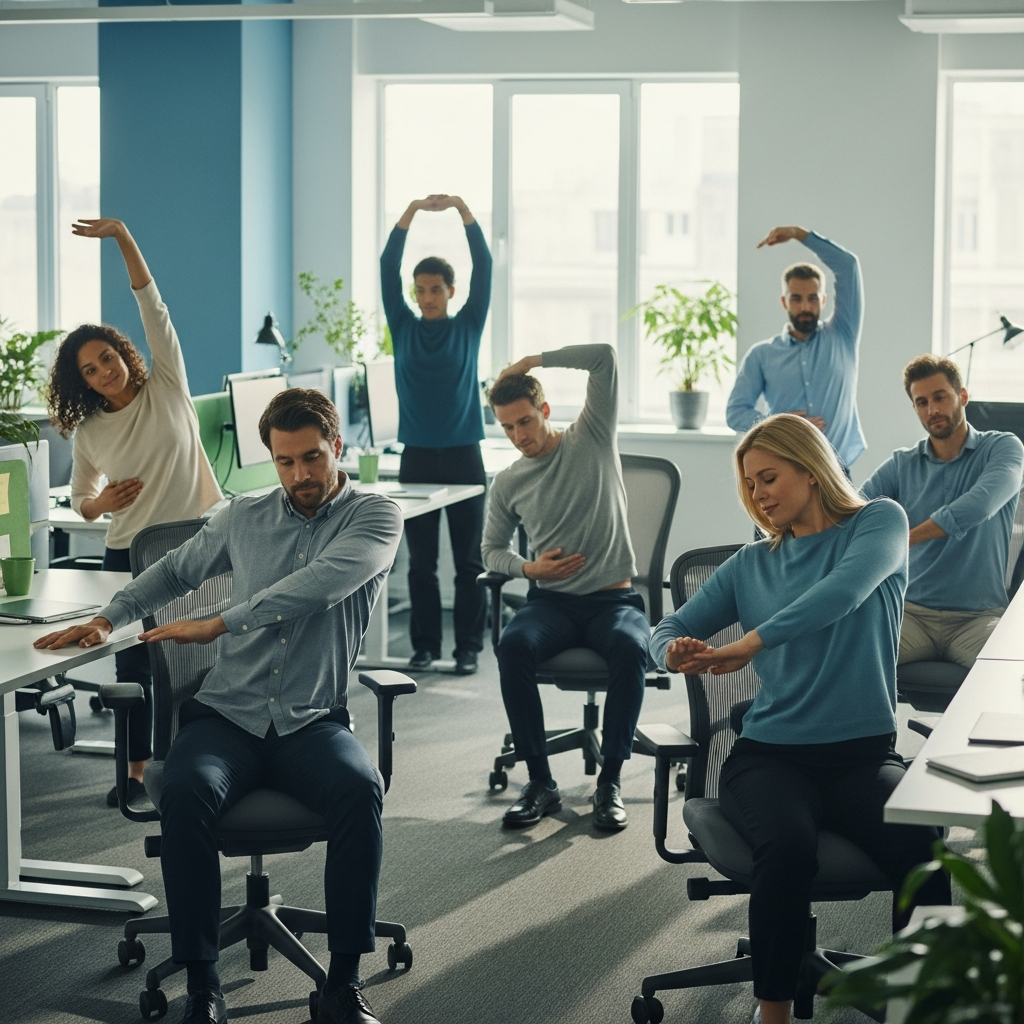
For busy professionals, finding time for best post-meal exercises for office workers can be challenging. These seven movements require minimal space and can be done right at your desk or in a small office area.
- Seated Torso Twists: Sit upright in your chair with feet flat on the floor. Place your right hand on your left knee and gently twist your torso to the left. Hold for 15-20 seconds, then repeat on the other side. This movement helps stimulate digestion and relieve tension.
- Desk Cat-Cow Stretch: Place both hands on your desk and stand with feet hip-width apart. Inhale as you arch your back (cow position), then exhale as you round your spine (cat position). Repeat 8-10 times to massage internal organs.
- Seated Leg Lifts: While seated, straighten one leg and hold for 10-15 seconds. Lower slowly and repeat with the other leg. This gentle movement engages core muscles without putting pressure on your digestive system.
- Shoulder Rolls and Neck Stretches: Roll your shoulders forward and backward 10 times each direction. Gently tilt your head from side to side to release tension that can affect digestion.
- Chair Squats: Stand up from your chair without using your hands, then slowly lower back down. Repeat 8-10 times to engage leg and core muscles gently.
- Deep Breathing Exercises: Place one hand on your abdomen and inhale deeply through your nose, feeling your belly expand. Exhale slowly through your mouth. Repeat 5-10 times to calm the nervous system.
- Ankle Circles and Foot Flexes: While seated, rotate your ankles clockwise and counterclockwise. Then point and flex your feet to improve circulation throughout your body.
Creating an ergonomic workspace setup can make these exercises more comfortable and effective. Proper posture supports better digestion and makes movement easier throughout your workday.
Advanced Movements for Better Digestion
For those with more flexibility and space, these advanced gut health movements can provide additional benefits for digestive wellness.
Yoga Poses for Digestion
Certain yoga poses are particularly beneficial for digestion. The Wind-Relieving Pose (Pawanmuktasana) involves lying on your back and bringing your knees to your chest. This gentle compression can help relieve gas and bloating. Twisting poses like Supine Spinal Twist also massage internal organs and stimulate digestion.
Core Engagement Exercises
Gentle core work can strengthen the muscles that support your digestive organs. Bird-Dog exercises (alternating arm and leg extensions while on hands and knees) engage your core without putting pressure on your abdomen. Plank variations can also be beneficial when done with proper form and timing.
Common Mistakes to Avoid
When starting post-meal digestion exercises, avoiding these common errors can help ensure you get the most benefit while minimizing discomfort.
- Exercising too vigorously immediately after eating: This can divert blood flow away from your digestive system and cause discomfort.
- Ignoring hydration: Proper hydration supports all bodily functions, including digestion. Drink water throughout the day, not just during meals.
- Poor posture during exercises: Slouching or hunching can compress your digestive organs. Maintain good alignment during all movements.
- Skipping the warm-up: Even gentle exercises benefit from a brief warm-up to prepare your muscles and joints.
- Not listening to your body: If you experience pain or significant discomfort, stop and adjust your approach.
Creating Your Post-Meal Routine
Developing a consistent routine is more important than doing perfect exercises occasionally. Here’s how to build sustainable habits around what exercises help digestion after eating.
Start Small and Build Gradually
Begin with just 5-10 minutes of gentle movement after one meal per day. As this becomes habitual, you can increase duration or add movements to other meals. Consistency creates lasting benefits for your digestive health.
Combine Movement with Other Healthy Habits
Pair your post-meal exercises with other digestive-supporting practices. Mindful eating, proper chewing, and balanced meal composition all contribute to better digestion. These bloating relief exercises work best as part of a comprehensive approach to gut health.
Track Your Progress
Notice how you feel before and after incorporating these movements. Many people report reduced bloating, increased energy, and improved mood when they consistently practice post-meal exercises. These positive changes can motivate continued practice.
Conclusion
Incorporating post-meal digestion exercises into your daily routine can significantly improve your digestive health and overall well-being. These gentle movements require minimal time and equipment but offer substantial benefits.
Key takeaways include:
- Light movement after meals may help stimulate digestion and reduce discomfort
- Timing matters – wait 15-30 minutes after eating for gentle exercises
- Office-friendly exercises make consistency achievable for busy professionals
- Combining movement with other healthy habits creates the best results
- Listening to your body helps you find the right approach for your needs
Start today by choosing one or two exercises to try after your next meal. Remember that walking after eating is one of the simplest and most effective ways to support digestion. Share your experiences in the comments below – we’d love to hear what works for you!
Medical Disclaimer: This article is for informational purposes only and does not constitute medical advice. Always consult a qualified healthcare provider before making changes to your health routine or if you have specific medical concerns.