Parasympathetic vs Sympathetic: Shift from Fight-or-Flight to Rest-and-Digest
Do you ever feel like your body is constantly on high alert? Your heart races at the smallest inconvenience, your muscles stay tense even when you try to relax, and sleep feels elusive despite exhaustion. You’re not alone – research from the American Psychological Association shows that 75% of adults experience moderate to high stress levels monthly. This chronic stress state often stems from an imbalance in your parasympathetic vs sympathetic nervous systems, the two branches of your autonomic nervous system that control your body’s stress response.
When your sympathetic nervous system dominates, you’re stuck in fight-or-flight mode. Your body prepares for perceived threats with increased heart rate, rapid breathing, and heightened alertness. Meanwhile, your parasympathetic nervous system – responsible for rest, digestion, and recovery – takes a backseat. The good news? You can learn to activate your parasympathetic response intentionally. This guide provides science-backed techniques to help you shift from sympathetic overdrive to parasympathetic calm, restoring balance to your nervous system regulation.
Understanding Your Autonomic Nervous System: Parasympathetic vs Sympathetic
Your autonomic nervous system operates automatically, controlling vital functions like heart rate, digestion, and breathing without conscious thought. It consists of two complementary systems: the sympathetic and parasympathetic branches. Understanding their parasympathetic nervous system function versus sympathetic activation is key to managing stress effectively.
The Sympathetic Nervous System: Your Body’s Alarm System
Often called the “fight-or-flight” system, the sympathetic nervous system activates during perceived threats or stress. When triggered, it releases adrenaline and cortisol, preparing your body for action. Your heart rate increases, blood flows to muscles, digestion slows, and pupils dilate. This response was essential for our ancestors facing physical dangers, but modern stressors like work deadlines or traffic jams can trigger the same physiological reaction.
The Parasympathetic Nervous System: Your Body’s Calm Button
In contrast, the parasympathetic nervous system promotes “rest-and-digest” functions. When activated, it slows your heart rate, stimulates digestion, conserves energy, and promotes relaxation. This system helps your body recover, repair tissues, and maintain homeostasis. Learning to activate this branch intentionally can counterbalance chronic sympathetic activation. For additional stress and tension relief techniques, explore our comprehensive guide to calming your nervous system.
The Vagus Nerve: Your Body’s Natural Stress Regulator
The vagus nerve serves as the primary communication pathway between your brain and parasympathetic nervous system. This cranial nerve extends from your brainstem through your neck and into your abdomen, influencing heart rate, digestion, and respiratory function. By stimulating your vagus nerve, you can directly activate your parasympathetic response.
How the Vagus Nerve Connects Brain and Body
Your vagus nerve carries signals in both directions – from brain to body and body to brain. Approximately 80-90% of its fibers send information from your organs to your brain, making it crucial for interoception (awareness of internal bodily sensations). When you practice techniques that stimulate the vagus nerve, you’re essentially sending “calm down” signals to your entire nervous system.
Signs of Vagus Nerve Dysfunction
Chronic stress can lead to vagus nerve dysfunction, manifesting as digestive issues, heart rate variability problems, or difficulty relaxing. Research from Harvard Medical School suggests that regular vagus nerve stimulation can improve emotional regulation and stress resilience. For specific exercises to strengthen your vagal tone, check out our guide on vagus nerve function and exercises for anxiety.
Science-Backed Techniques to Activate Your Parasympathetic Response
Learning how to activate parasympathetic nervous system functions involves practical, evidence-based methods. These techniques work by stimulating the vagus nerve and signaling your body to shift from sympathetic to parasympathetic dominance.
Breathing Exercises for Immediate Calm
Controlled breathing is one of the fastest ways to activate your parasympathetic nervous system. Try these techniques:
- 4-7-8 Breathing: Inhale for 4 seconds, hold for 7 seconds, exhale for 8 seconds
- Diaphragmatic Breathing: Breathe deeply into your belly rather than your chest
- Box Breathing: Inhale 4 seconds, hold 4 seconds, exhale 4 seconds, hold 4 seconds
According to the National Institute of Mental Health, deep breathing exercises can reduce cortisol levels and promote relaxation within minutes.
Mindful Movement and Gentle Exercise
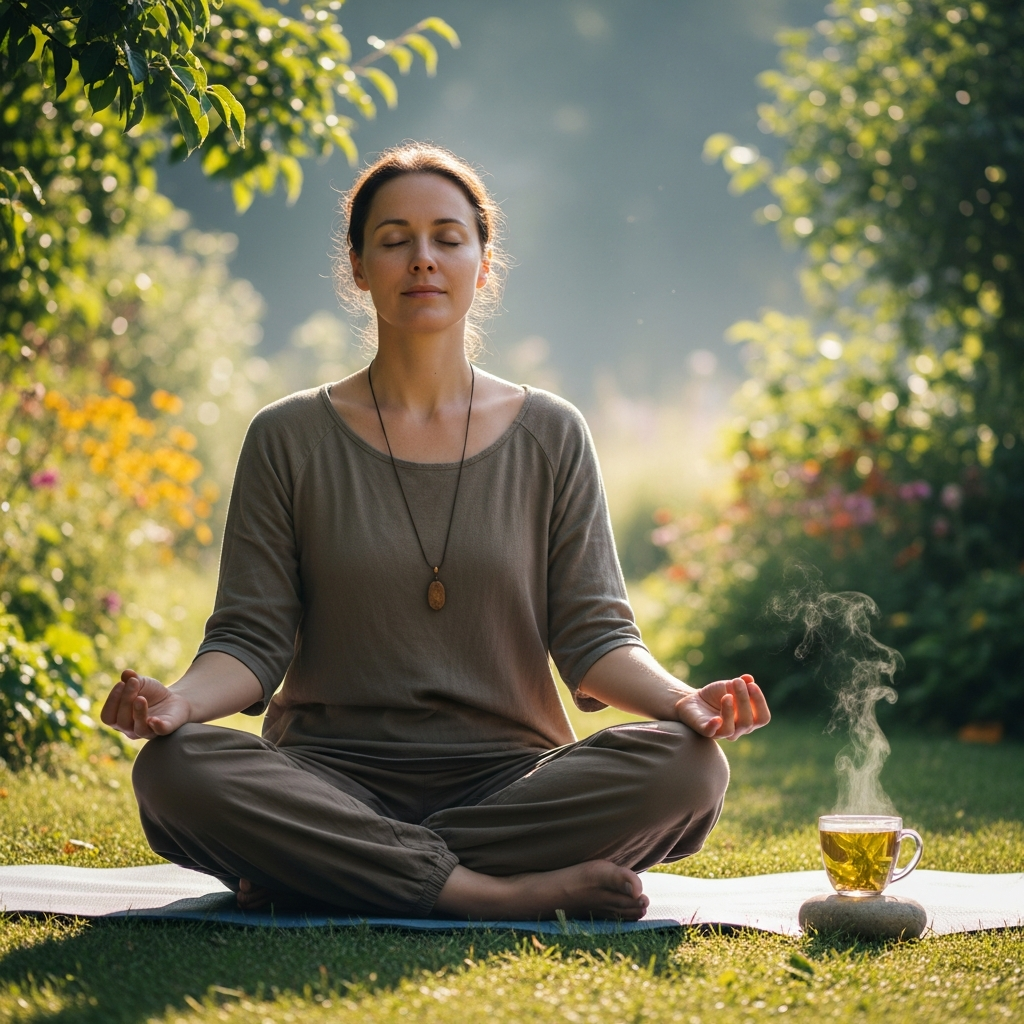
While intense exercise can stimulate sympathetic activity, gentle movement practices activate parasympathetic responses. Yoga, tai chi, and walking in nature have been shown to improve heart rate variability – a key indicator of nervous system balance. These practices combine movement with breath awareness, creating dual stimulation of your parasympathetic system. For additional calming strategies, explore our article on grounding techniques for anxiety that can help you stay present during stressful moments.
Daily Practices for Nervous System Regulation
Consistent daily habits create an environment where your parasympathetic nervous system can thrive. These practices support long-term nervous system regulation rather than just temporary relief.
Creating a Calming Environment
Your surroundings significantly impact your nervous system. Consider these adjustments:
- Reduce sensory overload: Limit screen time, especially before bed
- Incorporate nature: Add plants or natural elements to your space
- Use calming scents: Lavender, chamomile, or sandalwood can promote relaxation
- Control lighting: Use warm, dim lighting in evenings to signal relaxation
Sleep Hygiene for Parasympathetic Activation
Quality sleep is essential for parasympathetic nervous system recovery. During deep sleep, your body repairs tissues, consolidates memories, and regulates hormones. The Mayo Clinic recommends 7-9 hours of sleep nightly for optimal health. Establish a consistent sleep schedule, create a cool, dark sleeping environment, and avoid caffeine and electronics before bed. For guided relaxation before sleep, try our body scan meditation for sleep technique.
When to Seek Professional Help
While self-care techniques are valuable, some situations require professional support. Recognizing when to seek help is crucial for comprehensive nervous system health.
Recognizing Chronic Stress Patterns
If you experience persistent symptoms despite practicing relaxation techniques, consult a healthcare provider. Signs may include:
- Chronic fatigue that doesn’t improve with rest
- Digestive issues lasting more than two weeks
- Persistent anxiety or mood disturbances
- Sleep problems that affect daily functioning
Working with Healthcare Providers
Healthcare professionals can offer personalized strategies for nervous system regulation. A doctor might recommend:
- Cognitive behavioral therapy for stress management
- Biofeedback training to improve heart rate variability
- Medication if appropriate for underlying conditions
- Referral to specialists like neurologists or gastroenterologists
Conclusion: Embracing Parasympathetic Balance
Mastering the balance between your parasympathetic vs sympathetic nervous systems is a journey toward better health and wellbeing. By incorporating these techniques into your daily life, you can cultivate greater resilience against stress and improve your overall quality of life.
Key Takeaways:
- Your autonomic nervous system has two branches: sympathetic (fight-or-flight) and parasympathetic (rest-and-digest)
- The vagus nerve serves as the main pathway for parasympathetic activation
- Breathing exercises, gentle movement, and environmental adjustments can stimulate parasympathetic responses
- Consistent daily practices support long-term nervous system regulation
- Professional help is available if self-care techniques aren’t sufficient
Start small by incorporating one technique today – perhaps a few minutes of deep breathing or a short walk in nature. Share your experiences in the comments below, and don’t forget to pass this article along to anyone who might benefit from learning about nervous system regulation.
Medical Disclaimer: This article is for informational purposes only and does not constitute medical advice. Always consult a qualified healthcare provider before making changes to your health routine or if you have specific medical concerns.