
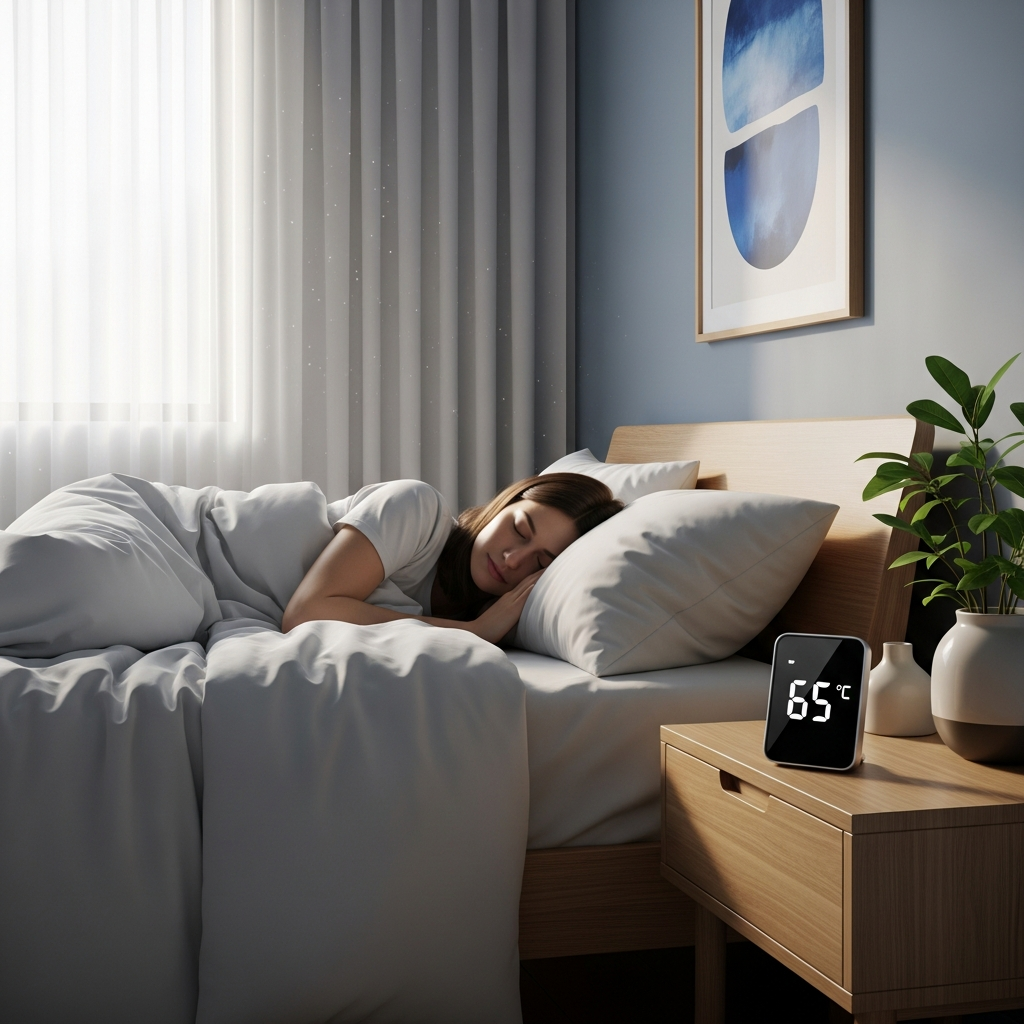
Optimal Sleep Temperature: Science-Backed Guide for Better Rest
Tossing and turning all night? Waking up drenched in sweat or shivering under the covers? Your bedroom temperature might be the culprit. Research shows that temperature plays a crucial role in sleep quality, yet most people overlook this simple factor. Finding your optimal sleep temperature could be the key to deeper, more restorative rest. This comprehensive guide explores the science behind sleep thermoregulation and provides practical strategies to create your ideal sleep environment. Whether you’re a hot sleeper, cold sleeper, or somewhere in between, understanding how temperature affects your circadian rhythm can transform your sleep quality.
The Science of Sleep and Temperature
Your body follows a natural temperature rhythm that directly influences sleep-wake cycles. As evening approaches, your core body temperature begins to drop, signaling to your brain that it’s time to sleep. This temperature decline helps initiate sleep and maintain it throughout the night. According to the National Sleep Foundation, this thermoregulation process is essential for quality rest.
How Body Temperature Regulates Sleep
Your hypothalamus acts as your body’s internal thermostat. It coordinates temperature changes with your circadian rhythm. When your core temperature drops by about 1-2 degrees Fahrenheit, sleep becomes easier to initiate. This cooling process helps reduce alertness and promotes relaxation. The relationship between body temperature sleep patterns is well-documented in sleep research.
Core vs. Skin Temperature
Interestingly, it’s not just your core temperature that matters. Your skin temperature also plays a role. When your skin is slightly cooler than your core, heat dissipates more efficiently. This creates ideal conditions for sleep onset. Maintaining this balance throughout the night supports uninterrupted sleep cycles.
Finding Your Optimal Sleep Temperature
So what is the best temperature for sleeping? Most sleep experts recommend keeping your bedroom between 60-67°F (15-19°C). However, this range serves as a starting point rather than a strict rule. Your ideal sleep temperature for adults depends on several factors including age, gender, and personal preference.
The Goldilocks Zone: Not Too Hot, Not Too Cold
The best sleep temperature typically falls in the cooler range because it supports your body’s natural cooling process. Rooms that are too warm can interfere with this process, leading to fragmented sleep. Conversely, rooms that are too cold may cause discomfort and frequent awakenings. Finding your personal sweet spot within this range can significantly increase deep sleep duration and quality.
Individual Variations to Consider
Several factors influence your personal temperature preference:
- Age: Older adults may prefer slightly warmer temperatures
- Metabolism: People with faster metabolisms often sleep hotter
- Bedding: The type of sheets and blankets you use
- Sleepwear: What you wear to bed affects temperature regulation
Practical Strategies for Temperature Regulation
Creating your ideal bedroom temperature doesn’t require expensive equipment. Simple adjustments can make a significant difference. The Mayo Clinic Sleep Center recommends starting with basic environmental modifications before considering specialized products.
Cooling Techniques for Better Sleep
If you tend to sleep hot, try these strategies:
- Use breathable bedding materials like cotton or bamboo
- Take a warm bath 1-2 hours before bed (this raises your skin temperature, then causes cooling)
- Use a fan to circulate air in your bedroom
- Keep your feet outside the covers to regulate temperature
- Freeze your pillowcase or use cooling gel pads
Warming Strategies for Cold Sleepers
For those who get cold at night:
- Layer blankets instead of using one heavy comforter
- Wear moisture-wicking socks to bed
- Use a hot water bottle or heating pad (set on low with auto-shutoff)
- Drink warm caffeine-free tea before bed
- Consider a mattress topper for added insulation
These techniques can help you fall asleep faster by creating optimal conditions for sleep onset.
Special Considerations for Different Sleepers
Not everyone fits the standard temperature recommendations. The American Academy of Sleep Medicine notes that individual differences in temperature sensitivity require personalized approaches. Understanding your specific needs can help you create a more effective sleep environment.
Hot Sleepers: Managing Nighttime Overheating
If you consistently wake up feeling too warm:
- Choose moisture-wicking sleepwear and bedding
- Consider a cooling mattress or mattress topper
- Keep a glass of cold water by your bedside
- Use light, breathable fabrics for pajamas
- Avoid heavy meals close to bedtime
Cold Sleepers: Staying Comfortably Warm
For those who struggle with feeling cold:
- Pre-warm your bed with an electric blanket (turn it off before sleeping)
- Use flannel or fleece sheets during colder months
- Wear layered sleepwear that can be adjusted during the night
- Consider a space heater with safety features
- Ensure your bedroom is properly insulated
Menopause and Temperature Sensitivity
Hormonal changes can significantly affect temperature regulation. Many women experience night sweats and temperature fluctuations during perimenopause and menopause. Managing these symptoms may require additional strategies like moisture-wicking bedding, cooling pillows, and maintaining consistent room temperatures. Certain nutritional deficiencies, like magnesium deficiency, can also affect temperature regulation and sleep quality.
Creating the Ideal Sleep Environment
Your sleep environment temperature involves more than just the thermostat setting. Multiple factors work together to create optimal sleeping conditions. A holistic approach considers bedding, room setup, and personal habits.
Bedding Materials That Regulate Temperature
The right bedding can make a significant difference:
- Cotton: Breathable and moisture-wicking
- Bamboo: Naturally temperature-regulating
- Wool: Excellent for temperature regulation in all seasons
- Linen: Highly breathable and cooling
- Tencel: Moisture-managing and temperature-neutral
Room Setup for Optimal Temperature Control
Consider these room adjustments:
- Use blackout curtains to block heat from sunlight
- Ensure proper ventilation with windows or fans
- Place your bed away from direct heat sources or cold drafts
- Use area rugs on cold floors to insulate the room
- Consider the orientation of your room relative to the sun
Technology Solutions for Temperature Management
Modern technology offers several options:
- Smart thermostats that automatically adjust temperature at night
- Bed cooling systems with adjustable settings
- Temperature-regulating mattress toppers
- Smart fans with sleep modes
- Wearable devices that track sleep and temperature patterns
Conclusion
Finding your optimal sleep temperature is a personal journey that can significantly improve your sleep quality. Remember these key takeaways:
- Most people sleep best between 60-67°F (15-19°C)
- Your body’s natural cooling process supports sleep onset
- Individual factors like age and metabolism affect temperature preferences
- Simple adjustments to bedding and room setup can make a big difference
- Consistency in your sleep environment supports better rest
Start experimenting with temperature adjustments tonight. Track how different settings affect your sleep quality over several nights. Remember that creating the right sleep environment involves multiple factors, including sleep posture and overall sleep hygiene. Share your experiences in the comments below—we’d love to hear what temperature works best for you!
Medical Disclaimer: This article is for informational purposes only and does not constitute medical advice. Always consult a qualified healthcare provider before making changes to your health routine or if you have specific medical concerns.