Mindfulness Meditation Beginners: Your Complete Step-by-Step Guide
Feeling overwhelmed by constant notifications and endless to-do lists? You’re not alone. Research shows that 77% of people experience physical symptoms of stress regularly. This constant mental chatter can lead to anxiety, poor sleep, and difficulty focusing. If you’re looking for a practical solution, mindfulness meditation beginners will find this guide especially helpful. Mindfulness meditation offers a scientifically-backed approach to calm your mind and improve your wellbeing. Unlike complex spiritual practices, this beginner-friendly approach focuses on simple techniques anyone can learn. Whether you’re dealing with work stress or general anxiety, incorporating stress relief techniques like mindfulness can transform your daily experience.
Understanding Mindfulness Meditation
Mindfulness meditation is the practice of paying attention to the present moment without judgment. It involves observing your thoughts, feelings, and bodily sensations as they arise. This meditation technique doesn’t require clearing your mind completely. Instead, you learn to notice when your attention wanders and gently bring it back.
Research from Harvard Health shows that regular mindfulness practice can reduce anxiety by 58% and improve focus significantly. The American Psychological Association also recognizes mindfulness as an effective tool for stress reduction and emotional regulation.
Key Benefits for Beginners
- Reduced stress and anxiety: Learn to respond rather than react to stressful situations
- Improved focus and concentration: Train your attention muscle like any other skill
- Better emotional regulation: Develop awareness of emotional patterns
- Enhanced self-awareness: Understand your thoughts and reactions more clearly
- Physical health benefits: May help lower blood pressure and improve sleep
How to Start Mindfulness Meditation: A Step-by-Step Guide
Starting a mindfulness practice is simpler than you might think. You don’t need special equipment or hours of free time. Follow these steps to begin your journey as mindfulness meditation beginners.
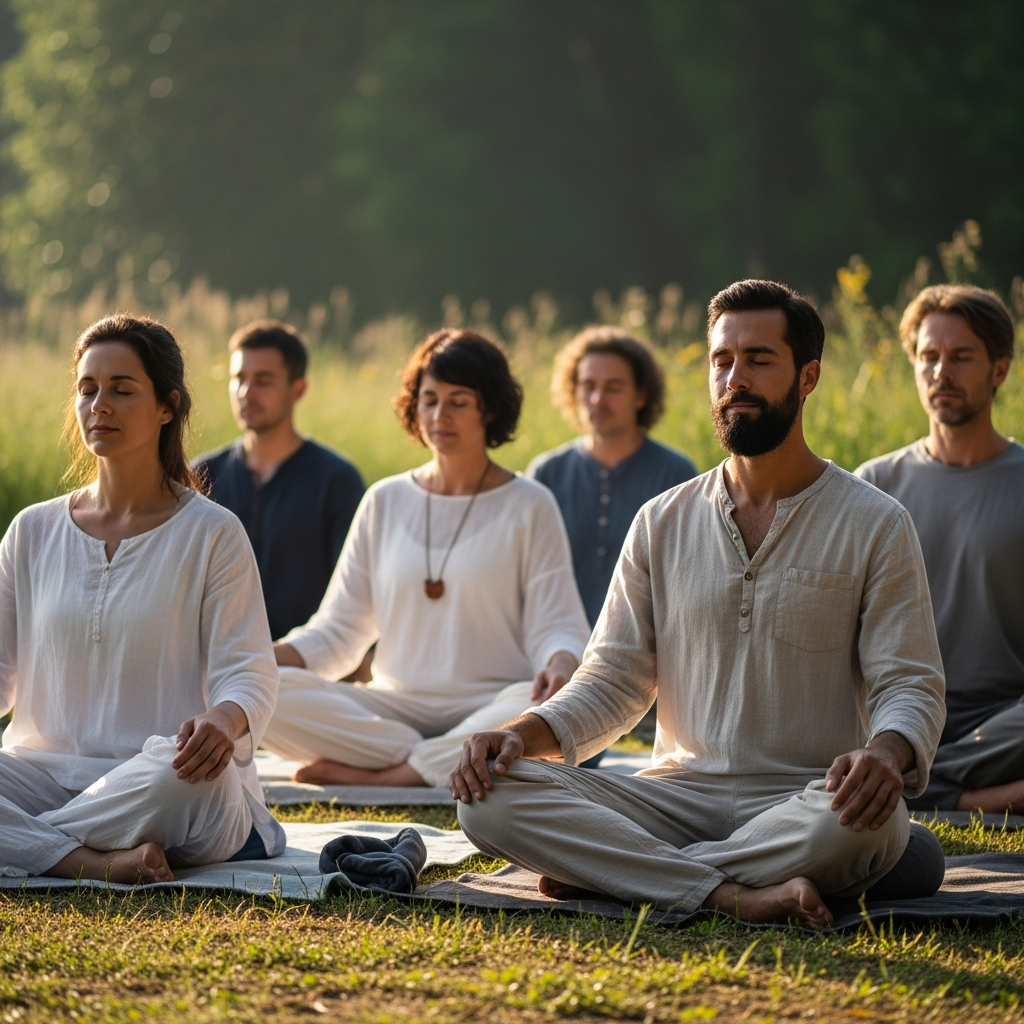
- Find a Comfortable Position: Sit in a chair with your feet flat on the floor, or sit cross-legged on a cushion. Keep your back straight but not rigid.
- Set a Timer: Start with just 5 minutes. As you become more comfortable, gradually increase to 10-20 minutes.
- Focus on Your Breath: Notice the sensation of breathing. Feel the air entering and leaving your nostrils, or your chest and abdomen rising and falling.
- Notice When Your Mind Wanders: Your mind will inevitably wander. This is normal! When you notice it, gently return your attention to your breath.
- Practice Non-Judgment: Don’t criticize yourself for losing focus. Simply acknowledge the distraction and return to your breath.
Remember, the goal isn’t to stop thinking completely. The practice is in noticing when you’ve drifted and returning to your anchor. This process of noticing and returning strengthens your attention muscle. For additional support with anxiety management, consider exploring vagus nerve exercises that complement mindfulness practices.
Simple Meditation Techniques for Beginners
As mindfulness meditation beginners, you have several techniques to explore. Different methods work better for different people, so feel free to experiment.
Breath Awareness Meditation
This foundational practice involves focusing on your natural breathing pattern. Simply observe each inhale and exhale without trying to change it. When thoughts arise, acknowledge them and return to your breath.
Body Scan Meditation
The body scan involves systematically bringing attention to different parts of your body. Start at your toes and work upward, noticing any sensations without judgment. This technique is particularly helpful for releasing physical tension and improving body awareness. For a guided approach to this practice, check out our body scan meditation for sleep.
Loving-Kindness Meditation
This practice involves silently repeating phrases of goodwill toward yourself and others. Start with “May I be happy, may I be healthy, may I be safe.” Then extend these wishes to loved ones, acquaintances, and eventually all beings.
Walking Meditation
For those who find sitting still challenging, walking meditation offers an active alternative. Focus on the sensations of walking—the lifting, moving, and placing of each foot.
For those struggling with sleep, the 4-7-8 breathing technique combines well with mindfulness practices to promote relaxation.
Mindfulness Meditation for Busy People
You don’t need hours of free time to benefit from mindfulness. Even busy professionals can incorporate short practices throughout their day.
Micro-Meditations
These are brief mindfulness exercises you can do anywhere:
- One-minute breathing: Take 60 seconds to focus solely on your breath
- Mindful commuting: Notice sensations during your commute instead of scrolling
- Mindful eating: Pay full attention to one meal or snack each day
- Desk meditation: Take three conscious breaths between tasks
Integrating Mindfulness into Daily Activities
Transform ordinary activities into mindfulness practices:
- Notice the water temperature and sensations while showering
- Pay attention to the taste and texture of your food
- Listen fully during conversations without planning your response
- Feel your feet connecting with the ground as you walk
When anxiety strikes during a busy day, quick grounding techniques can provide immediate relief while reinforcing mindfulness skills.
Common Beginner Challenges & Solutions
Every mindfulness meditation beginners faces obstacles. Recognizing these challenges prepares you to overcome them.
“I Can’t Stop Thinking”
Solution: You’re not supposed to stop thinking! The practice is noticing thoughts and returning to your anchor. Each time you notice and return, you’re strengthening your mindfulness muscle.
“I Don’t Have Time”
Solution: Start with just 2-5 minutes daily. Consistency matters more than duration. You can find pockets of time—while waiting, during breaks, or before bed.
“I Keep Falling Asleep”
Solution: Try meditating at a different time of day or in a different position. Sitting upright rather than lying down can help maintain alertness.
“I’m Not Doing It Right”
Solution: There’s no “right” way to meditate. The very act of noticing that you’re judging yourself is mindfulness in action!
Building Consistency in Your Practice
Establishing a regular practice is key to experiencing the benefits of mindfulness. Here’s how to make it stick.
Create a Routine
Link your meditation to an existing habit. Meditate right after brushing your teeth, before your morning coffee, or after lunch. This habit stacking makes consistency easier.
Start Small and Build Gradually
Begin with 5 minutes daily for one week. Then add one minute each week. Small, sustainable increases prevent burnout and build confidence.
Track Your Progress
Use a meditation app or simple calendar to mark each day you practice. Visual progress can be motivating, especially during challenging periods.
Find Accountability
Join a meditation group, find a meditation buddy, or use guided apps with community features. Social support increases commitment.
Be Compassionate with Yourself
Missed a day? That’s okay. The practice of returning—to your breath, to your intention—is the essence of mindfulness. Start again without self-criticism.
Your Mindfulness Journey Begins Today
As mindfulness meditation beginners, you now have the tools to start transforming your relationship with stress and attention. Remember these key takeaways:
- Start small: Even 5 minutes daily can create meaningful change
- Be consistent: Regular short practices beat occasional long sessions
- Embrace imperfection: Wandering minds are normal—the practice is in returning
- Experiment: Try different techniques to find what works for you
- Be patient: Benefits accumulate gradually with regular practice
Your mindfulness practice is a gift you give yourself each day. It’s not about achieving perfection but about showing up with curiosity and compassion. The Mayo Clinic’s meditation guide offers additional resources for deepening your practice.
Ready to begin? Set a timer for 5 minutes right now. Find a comfortable seat, close your eyes, and notice your next breath. That’s it—you’ve started your mindfulness journey!
We’d love to hear about your experience! Share your progress, questions, or insights in the comments below. Your journey might inspire other mindfulness meditation beginners to take their first step.
Medical Disclaimer: This article is for informational purposes only and does not constitute medical advice. Always consult a qualified healthcare provider before making changes to your health routine or if you have specific medical concerns.