
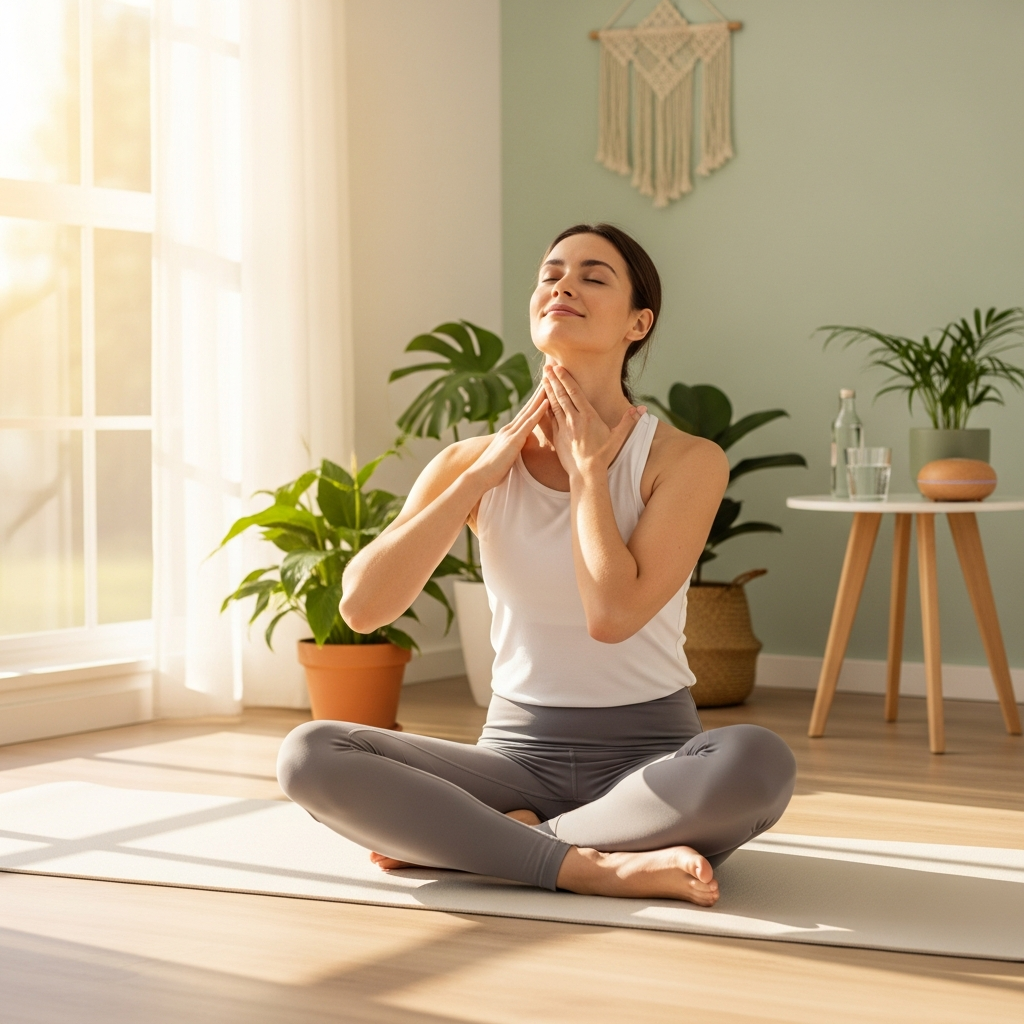
Lymphatic Drainage Exercises: Boost Immunity & Reduce Swelling Naturally
Did you know that sedentary lifestyles can reduce lymphatic flow by up to 50%? Many people experience unexplained swelling, frequent colds, and persistent fatigue without realizing their lymphatic system needs attention. The lymphatic system is your body’s natural drainage network, responsible for removing toxins, fighting infections, and maintaining fluid balance. When this system becomes sluggish, you may notice puffiness, reduced immunity, and overall sluggishness.
Fortunately, you don’t need expensive professional treatments to support your lymphatic health. Simple lymphatic drainage exercises can be done at home to stimulate circulation and promote detoxification. These gentle movements can help reduce swelling, boost your immune response, and increase energy levels. Regular practice may help combat the effects of prolonged sitting and modern stress.
In this comprehensive guide, we’ll explore practical techniques that anyone can incorporate into their daily routine. Whether you’re dealing with post-workout swelling or looking to strengthen your immune defenses, these exercises offer a natural solution. We’ll also discuss how combining lymphatic care with other wellness practices like stress relief techniques can enhance overall benefits.
Understanding Your Lymphatic System
What is the Lymphatic System?
Your lymphatic system is a complex network of vessels, nodes, and organs that work alongside your circulatory system. Unlike your blood circulation which has a heart to pump it, your lymphatic system relies on muscle movement and breathing to circulate lymph fluid. This clear fluid contains white blood cells, proteins, and waste products that need to be filtered and eliminated.
The system includes hundreds of lymph nodes located throughout your body. These nodes act as filtration stations, trapping bacteria, viruses, and other harmful substances. When functioning optimally, this system supports immune function, removes cellular waste, and maintains fluid balance. Research from the National Institutes of Health shows that proper lymphatic function is crucial for overall health.
Why Lymphatic Drainage Matters
When lymphatic flow becomes sluggish, toxins can accumulate in tissues. This may lead to swelling (lymphedema), increased susceptibility to infections, and chronic inflammation. Many factors can impair lymphatic function, including sedentary lifestyles, poor posture, stress, and dehydration.
Regular lymphatic drainage exercises stimulate the natural pumping action of your lymphatic vessels. This gentle stimulation helps move lymph fluid toward filtration points. Unlike vigorous exercise that might stress the system, these gentle movements work with your body’s natural rhythms. Many people find that combining lymphatic care with practices like vagus nerve exercises creates a synergistic effect for overall wellness.
The beauty of lymphatic stimulation is that it doesn’t require special equipment or extensive training. Simple movements done consistently can make a significant difference in how you feel and function daily.
How to Do Lymphatic Drainage Exercises at Home
Preparation and Safety Tips
Before starting any lymphatic drainage routine, it’s important to create a safe foundation. Begin by consulting with your healthcare provider if you have existing medical conditions, especially heart issues, blood clots, or active infections. Always listen to your body and avoid pushing through pain.
Here are essential preparation steps:
- Hydrate well – Drink plenty of water before and after your session
- Choose comfortable clothing – Loose, non-restrictive fabrics work best
- Create a calm environment – Reduce distractions and ensure privacy
- Start gently – Begin with 5-10 minute sessions and gradually increase
- Breathe deeply – Proper breathing enhances lymphatic flow
Creating the Right Environment
Setting up your space properly can enhance the effectiveness of your lymphatic drainage exercises. Choose a quiet room with comfortable temperature control. You may want to use a yoga mat or soft surface for floor exercises. Some people find that gentle background music or nature sounds help them relax into the movements.
Timing matters too. Many experts suggest morning sessions to kickstart your system for the day. However, evening routines can also help reduce swelling accumulated during daily activities. The key is consistency rather than perfect timing. According to the Mayo Clinic, regular gentle movement is one of the most effective ways to support lymphatic health.
Remember that lymphatic stimulation should feel gentle and soothing, not painful or strenuous. The pressure used in manual lymphatic drainage techniques is typically very light—just enough to stretch the skin slightly. This differs from deep tissue massage which works on muscles rather than lymphatic vessels.
Best Lymphatic Exercises for Swelling Reduction
Neck and Face Exercises
Facial puffiness and neck tension often respond well to gentle lymphatic stimulation. These exercises can be done sitting or standing:
- Jaw Release: Place fingertips along your jawline. Gently stroke downward toward your collarbones. Repeat 10 times.
- Temple Circles: Using middle fingers, make small circles at your temples. Move slowly and gently for 30 seconds.
- Neck Drains: Tilt head to one side, gently stroke from behind ear to collarbone. Repeat 5 times each side.
Lymphatic drainage face techniques are particularly helpful for reducing morning puffiness and sinus congestion. They can also complement treatments for forward head posture correction, which often contributes to neck and shoulder tension.
Arm and Hand Exercises
Swollen hands and arms benefit from these simple movements:
- Arm Pumps: Raise arms overhead, then slowly lower while making gentle pumping motions with hands.
- Wrist Circles: Rotate wrists in both directions for 30 seconds each.
- Arm Brushing: Using opposite hand, gently stroke from fingertips toward armpit. Use light pressure only.
Leg and Foot Exercises
For lower body swelling, try these effective techniques:
- Ankle Pumps: While sitting or lying down, point and flex feet repeatedly for 1-2 minutes.
- Knee Bends: Slowly bend and straighten knees while seated.
- Leg Drains: Gently stroke legs from ankles toward groin using light pressure.
These best lymphatic exercises for swelling reduction work by encouraging fluid movement toward major lymph nodes. The American Massage Therapy Association notes that consistent gentle movement is often more effective than occasional intense sessions. Remember to breathe deeply throughout all exercises, as diaphragmatic breathing creates natural pumping action in your thoracic duct—the main lymphatic vessel.
Lymphatic Drainage for Immune System Boost
Deep Breathing Techniques
Your diaphragm acts as a natural pump for your lymphatic system. When you breathe deeply, this muscle movement creates pressure changes that help circulate lymph fluid. Try this simple breathing exercise:
- Sit comfortably with straight spine
- Place hands on lower ribs
- Inhale deeply through nose for 4 counts
- Hold breath for 2 counts
- Exhale slowly through mouth for 6 counts
- Repeat 10 times
This lymphatic drainage for immune system boost technique helps move lymph toward the thoracic duct, where it enters bloodstream for filtration. Research suggests that regular deep breathing may enhance immune cell circulation and function.
Full Body Movements
Certain gentle exercises stimulate multiple lymphatic pathways simultaneously:
- Rebounding: Gentle bouncing on a mini-trampoline
- Swimming: The water pressure provides natural compression
- Walking: Especially with arm swings
- Yoga: Specific poses like legs-up-the-wall
These activities create rhythmic compression and release throughout your body. This action helps move lymph fluid through vessels that lack their own pumping mechanism. The American Massage Therapy Association recommends combining movement with proper hydration for optimal lymphatic support.
Consistency is Key
Unlike some health practices that show immediate results, lymphatic support works best with regular attention. Aim for 10-15 minutes daily rather than longer sessions occasionally. This consistent stimulation helps maintain optimal flow and prevents stagnation.
Many people find that addressing related issues like tight hip flexors enhances their lymphatic drainage results. When muscles are balanced and relaxed, lymphatic vessels can function more efficiently. Remember that your lymphatic system works 24/7—giving it regular gentle support can make a significant difference in how you feel.
Integrating Lymphatic Care into Daily Life
Desk Worker Solutions
If you spend hours sitting, your lymphatic system needs extra support. Try these simple strategies:
- Set hourly reminders to stand and stretch
- Perform seated ankle pumps while working
- Use a footrest to elevate legs slightly
- Practice neck rolls during breaks
- Stay hydrated with water at your desk
These micro-movements can prevent lymphatic stagnation throughout the day. Even small actions like tapping your feet or rotating your shoulders help stimulate circulation. Consider combining these with ergonomic adjustments to support overall wellness.
Morning and Evening Routines
Creating consistent rituals makes lymphatic care effortless:
Morning routine (5 minutes):
- Deep breathing upon waking
- Gentle neck and face massage
- Ankle rotations while brushing teeth
- Light stretching before starting your day
Evening routine (5 minutes):
- Legs-up-the-wall pose
- Gentle foot massage
- Jaw relaxation exercises
- Deep breathing before sleep
Complementary Practices
Enhance your lymphatic drainage exercises with these supportive habits:
- Dry brushing: Before showering, brush skin toward heart
- Contrast showers: Alternate warm and cool water
- Hydration: Drink water throughout the day
- Anti-inflammatory diet: Reduce processed foods
- Quality sleep: Allow time for cellular repair
Many people find that combining lymphatic care with cold exposure benefits creates a powerful synergy for circulation and immunity. The key is finding what works for your lifestyle and sticking with it consistently. Remember that small, daily actions often create more sustainable results than occasional intensive efforts.
Conclusion
Incorporating lymphatic drainage exercises into your daily routine can transform how you feel and function. These gentle techniques offer natural support for your body’s detoxification and immune systems. Remember these key takeaways:
- Start with just 5-10 minutes daily and build consistency
- Focus on gentle movements rather than intense pressure
- Combine lymphatic care with proper hydration and breathing
- Listen to your body and adjust as needed
- Be patient—results often build gradually over time
Your lymphatic system works tirelessly to protect and cleanse your body. Giving it regular attention through simple exercises can help reduce swelling, boost immunity, and increase energy levels. We’d love to hear about your experiences with these techniques in the comments below!
Share this guide with friends or family who might benefit from learning about lymphatic drainage exercises. Together, we can support each other in creating healthier, more vibrant lives through simple daily practices.
Medical Disclaimer: This article is for informational purposes only and does not constitute medical advice. Always consult a qualified healthcare provider before making changes to your health routine or if you have specific medical concerns.