
Improve Nutrient Absorption: Science-Backed Strategies for Better Health
Do you eat plenty of vegetables, lean proteins, and whole grains but still feel fatigued, experience brain fog, or struggle with persistent deficiencies? You’re not alone. Many people follow healthy diets but fail to reap the full benefits because their bodies aren’t effectively absorbing nutrients. This common issue affects millions who wonder, “why am I not absorbing nutrients properly?” The good news is that you can learn how to improve nutrient absorption with evidence-based strategies that maximize the nutritional value of every meal.
Nutrient absorption isn’t just about what you eat—it’s about how your body processes and utilizes those nutrients. Factors like digestive health, food combinations, cooking methods, and even stress levels can significantly impact your body’s ability to extract vitamins and minerals from food. If you’re experiencing signs of poor gut health, you might be missing out on essential nutrients despite eating well.
This comprehensive guide will walk you through science-backed techniques to enhance nutrient bioavailability, optimize digestive function, and ensure your body gets the most from your healthy eating efforts. Whether you’re dealing with fatigue, digestive issues, or simply want to maximize your nutritional intake, these strategies can help transform your health from the inside out.
Understanding Nutrient Bioavailability: The Science Behind Absorption
Nutrient bioavailability refers to the proportion of nutrients that your body can actually absorb and use from the foods you consume. Not all nutrients are created equal when it comes to absorption rates. For example, the iron in spinach (non-heme iron) is less bioavailable than the iron in red meat (heme iron). Understanding these differences is crucial for optimizing your diet.
Factors That Affect Bioavailability
Several factors influence how well your body absorbs nutrients:
- Food form: Whole foods often have better bioavailability than isolated supplements
- Cooking methods: Some nutrients become more available with cooking (like lycopene in tomatoes), while others are heat-sensitive
- Individual differences: Age, genetics, and health conditions affect absorption capacity
- Nutrient interactions: Some nutrients compete for absorption pathways
Research from the NIH Office of Dietary Supplements shows that nutrient interactions can either enhance or inhibit absorption. For instance, vitamin C significantly improves iron absorption, while calcium can interfere with iron uptake when consumed simultaneously.
Optimize Your Digestive Health for Better Nutrient Uptake
Your digestive system is the gateway to nutrient absorption. When your gut isn’t functioning optimally, you may experience reduced mineral uptake and vitamin absorption issues. Common digestive problems like low stomach acid, enzyme deficiencies, or imbalanced gut bacteria can all interfere with your body’s ability to extract nutrients from food.
Key Strategies for Digestive Health Optimization
- Chew thoroughly: Mechanical breakdown in the mouth initiates the digestive process
- Manage stress: Chronic stress can reduce stomach acid production and slow digestion
- Support gut microbiome: Probiotic-rich foods and prebiotic fibers feed beneficial bacteria
- Address digestive discomfort: Persistent issues may indicate underlying problems
If you experience fatigue after eating, this could signal poor digestion and nutrient absorption. According to Harvard Health Publishing, proper digestion requires adequate stomach acid, digestive enzymes, and bile production—all of which can be supported through dietary and lifestyle changes.
Food Pairing Strategies: How to Absorb Nutrients Better from Food
Strategic food combinations can dramatically enhance nutrient bioavailability. This practice, sometimes called “food synergy,” involves pairing foods that work together to improve absorption. Understanding these combinations answers the common question of “how to absorb nutrients better from food” through simple dietary adjustments.
Powerful Nutrient Pairings
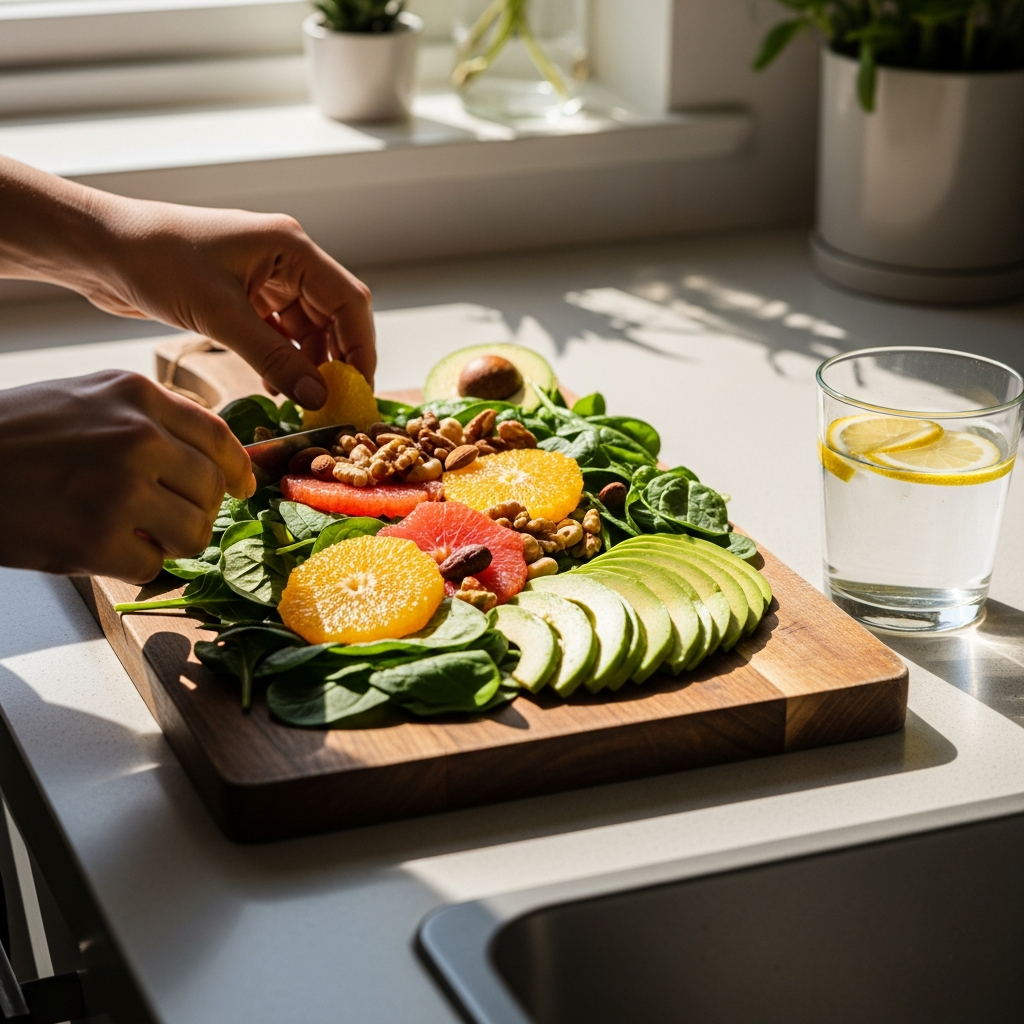
- Iron + Vitamin C: Pair spinach with citrus or bell peppers
- Fat-soluble vitamins + Healthy fats: Add avocado to salads for better absorption of vitamins A, D, E, and K
- Calcium + Vitamin D: Combine dairy with sunlight exposure or vitamin D-rich foods
- Zinc + Protein: Animal proteins enhance zinc absorption from plant sources
These combinations work because certain nutrients act as co-factors or transport mechanisms for others. For example, vitamin C converts plant-based iron into a more absorbable form, while healthy fats create the necessary environment for fat-soluble vitamin absorption. Learning to balance your blood sugar naturally also supports consistent nutrient absorption throughout the day.
Lifestyle Factors That Impact Mineral Uptake and Vitamin Absorption
Beyond food choices, several lifestyle factors significantly influence your body’s ability to absorb and utilize nutrients. These often-overlooked elements can make the difference between adequate nutrition and subtle deficiencies.
Critical Lifestyle Considerations
- Hydration status: Proper water intake supports digestive processes and nutrient transport
- Sleep quality: Poor sleep can disrupt hormone balance and digestive function
- Physical activity: Moderate exercise improves circulation and digestive motility
- Medication interactions: Some medications interfere with nutrient absorption
- Alcohol consumption: Excessive alcohol can damage the intestinal lining
The Mayo Clinic Nutrition guidelines emphasize that lifestyle factors work synergistically with diet to determine overall nutritional status. Even with perfect food choices, poor lifestyle habits can undermine nutrient absorption and utilization.
Addressing Common Absorption Issues: Best Foods for Nutrient Absorption
Certain foods naturally enhance the absorption of specific nutrients. Incorporating these “absorption boosters” into your regular meals can help address common deficiencies and optimize your nutritional intake.
Top Absorption-Enhancing Foods
- Fermented foods: Kimchi, sauerkraut, and kefir support gut health and enzyme production
- Bone broth: Contains gelatin and amino acids that support gut lining integrity
- Healthy fats: Avocado, olive oil, and nuts improve absorption of fat-soluble vitamins
- Citrus fruits: Oranges, lemons, and grapefruit enhance iron absorption
- Herbs and spices: Turmeric, black pepper, and ginger have anti-inflammatory properties that support digestion
These foods work through various mechanisms—some provide enzymes, others improve gut lining health, and some enhance the bioavailability of specific nutrients. Regular inclusion of these items in your diet represents one of the most practical approaches to improving overall nutrient absorption.
Personalized Strategies for Adults with Fatigue and Digestive Issues
Recent microbiome research has revealed personalized approaches to nutrient absorption that go beyond one-size-fits-all recommendations. Understanding your unique digestive profile can help tailor strategies specifically for your needs.
Microbiome-Focused Approaches
- Gut diversity testing: Identifying your specific bacterial profile
- Targeted probiotics: Strains specifically shown to improve nutrient absorption
- Fiber customization: Different fibers feed different beneficial bacteria
- Food sensitivity identification: Removing inflammatory foods that damage gut lining
Emerging research suggests that individual microbiome composition significantly influences nutrient extraction efficiency. What works for one person may not work for another, making personalized approaches particularly valuable for those with persistent fatigue or digestive issues despite dietary improvements.
Improving nutrient absorption involves a multi-faceted approach that combines dietary strategies, lifestyle adjustments, and personalized considerations. By implementing these evidence-based techniques, you can maximize the nutritional value of your food and support overall health.
Key Takeaways:
- Strategic food pairings can dramatically enhance nutrient bioavailability
- Digestive health optimization is fundamental to effective nutrient absorption
- Lifestyle factors like stress management and sleep quality significantly impact absorption
- Personalized approaches based on microbiome research offer new solutions
- Consistent implementation of multiple strategies yields the best results
Start by incorporating one or two of these strategies into your daily routine and gradually build from there. Remember that improving nutrient absorption is a journey, not a destination. As you optimize your gut-brain connection through these practices, you’ll likely notice improvements in energy levels, mental clarity, and overall wellbeing.
Share your experiences with these strategies in the comments below, and don’t hesitate to consult with a healthcare professional for personalized guidance on your journey to better nutrient absorption.
Medical Disclaimer: This article is for informational purposes only and does not constitute medical advice. Always consult a qualified healthcare provider before making changes to your health routine or if you have specific medical concerns.