
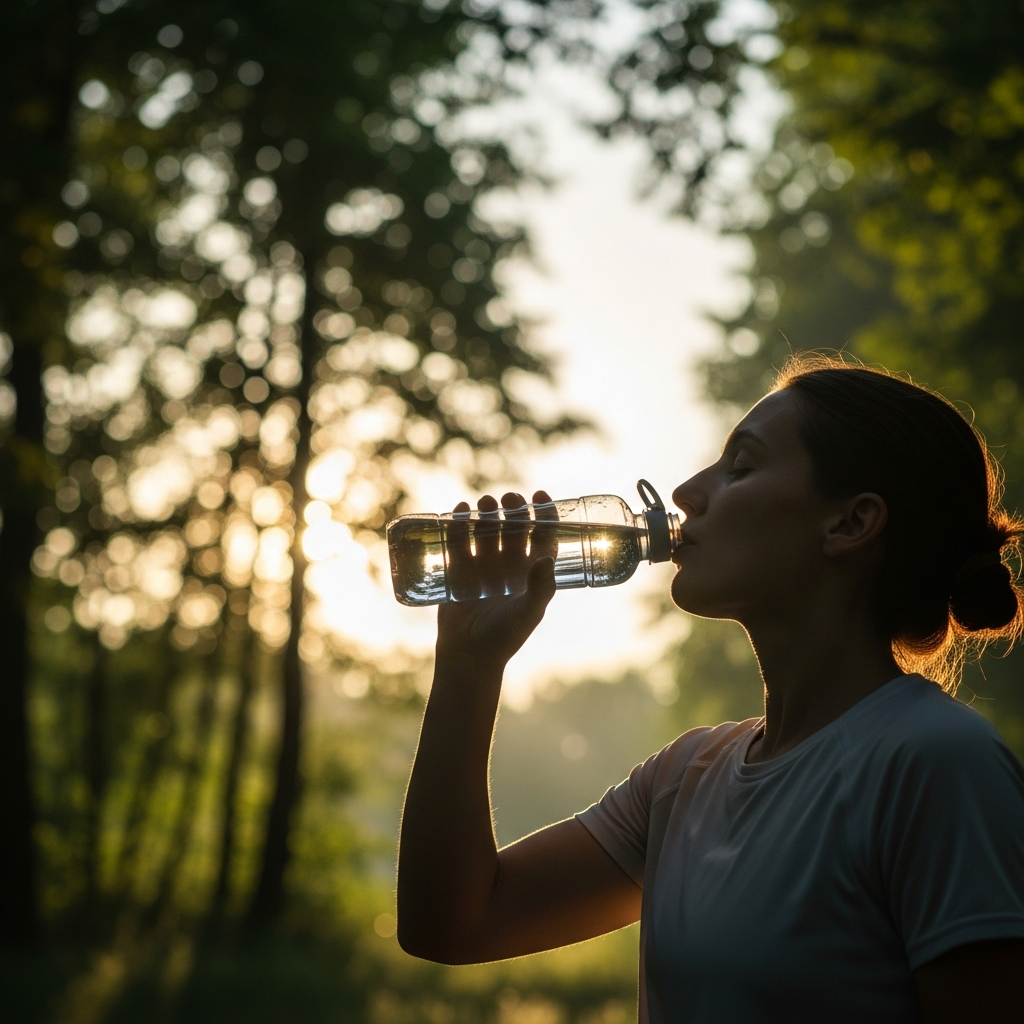
Improve Heat Tolerance: Science-Backed Guide for Summer Wellness & Safety
Have you ever felt completely drained after just a few minutes in the summer sun? You’re not alone. According to the CDC, heat-related illnesses send thousands of Americans to emergency rooms each year. As temperatures continue to rise globally, learning how to improve heat tolerance has become essential for summer wellness and safety. The good news is that your body can adapt to heat through physiological changes. This science-backed guide will show you proven methods to build thermal tolerance and stay safe in hot weather. Proper hydration is the foundation of heat adaptation, so start by learning how to optimize your daily hydration for better performance in warm conditions.
Understanding Heat Adaptation Physiology
Heat adaptation refers to your body’s remarkable ability to adjust to warmer environments. This physiological process involves several key changes that enhance your thermal tolerance. According to research from the National Institutes of Health, these adaptations typically occur over 7-14 days of consistent heat exposure.
How Your Body Adapts to Heat Stress
When exposed to heat regularly, your body undergoes significant changes. First, your sweat rate increases and becomes more efficient. You begin sweating earlier and at lower temperatures. Second, your blood plasma volume expands. This helps maintain blood pressure and improves cardiovascular function in hot conditions.
Third, your body learns to redistribute blood flow more effectively. More blood goes to your skin for cooling while maintaining adequate flow to vital organs. Finally, your core temperature threshold for sweating decreases. This means your cooling mechanisms activate sooner.
The Science Behind Acclimatization
Acclimatization involves complex hormonal and cellular changes. Your body produces more heat shock proteins that protect cells from thermal damage. Additionally, your sodium conservation improves, reducing electrolyte loss through sweat. These adaptations collectively enhance your ability to handle heat stress.
Key physiological changes include:
- Increased sweat rate and efficiency
- Expanded blood plasma volume
- Improved cardiovascular stability
- Enhanced electrolyte conservation
- Better thermal regulation
Hydration Strategies for Heat Tolerance
Proper hydration is crucial for maintaining thermal tolerance in hot conditions. When you’re dehydrated, your body struggles to regulate temperature effectively. The American College of Sports Medicine recommends specific hydration strategies for heat adaptation.
Daily Fluid Requirements
Your hydration needs increase significantly in hot weather. A general guideline is to drink at least half your body weight in ounces of water daily. For example, a 150-pound person needs about 75 ounces of water. However, this requirement can double during intense heat exposure or exercise.
Monitor your urine color as a simple hydration check. Pale yellow indicates adequate hydration, while dark yellow suggests you need more fluids. Remember that thirst is a late indicator of dehydration, so drink regularly throughout the day.
Electrolyte Balance for Heat Adaptation
Sweating causes significant electrolyte loss, particularly sodium, potassium, and magnesium. These minerals are essential for nerve function, muscle contraction, and fluid balance. Replenishing electrolytes is crucial for maintaining heat tolerance.
Consider these electrolyte-rich options:
- Sports drinks during prolonged heat exposure
- Electrolyte tablets added to water
- Natural sources like coconut water or bananas
- Broth-based soups for sodium replacement
Watch for electrolyte imbalance symptoms like muscle cramps, fatigue, or dizziness. These signs indicate your body needs mineral replenishment to maintain optimal function in heat.
Gradual Acclimatization Protocols
Learning how to build heat tolerance requires a systematic approach. The key is gradual exposure that allows your body to adapt safely. Research shows that proper acclimatization can improve heat tolerance by 50% or more within two weeks.
Safe Heat Exposure Schedule
Start with short, mild heat exposure and gradually increase duration and intensity. A typical acclimatization protocol involves 60-90 minutes of heat exposure daily for 7-14 days. Begin with light activity in moderate temperatures, then progress to more intense conditions.
Follow this progressive schedule:
- Days 1-3: 30-45 minutes of light activity in warm conditions
- Days 4-7: 60 minutes of moderate activity with increased intensity
- Days 8-14: 90 minutes of more challenging heat exposure
Monitoring Your Progress
Pay attention to how your body responds during heat exposure. Your heart rate should stabilize over time, and you should feel less fatigued. Proper recovery between sessions is essential for adaptation. Incorporate active recovery techniques like light walking or stretching to enhance the acclimatization process.
Remember that individual responses vary. Some people adapt quickly, while others need more time. Listen to your body and adjust the pace accordingly. Never push through severe discomfort or warning signs of heat illness.
Exercise and Heat Tolerance Training
Specific exercises can significantly enhance your ability to handle heat stress. The best ways to adapt to hot weather include combining cardiovascular training with heat exposure. This dual approach builds both fitness and thermal tolerance.
Heat Tolerance Exercises for Athletes
Athletes and active individuals can benefit from targeted heat training. Research suggests that exercising in warm conditions improves heat adaptation more effectively than passive heat exposure alone. Consider these effective approaches:
- Moderate-intensity cardio: 60-70% of maximum heart rate in warm environments
- Interval training: Short bursts of higher intensity with recovery periods
- Endurance sessions: Longer, steady-state workouts to build stamina
- Strength training: Maintains muscle function in heat-stressed conditions
Optimal Training Intensity
For most people, zone 2 training provides the ideal balance for heat adaptation. This moderate intensity allows sufficient heat exposure without excessive strain. Zone 2 training typically corresponds to 60-70% of your maximum heart rate.
You should be able to maintain a conversation during this intensity level. This ensures you’re working hard enough to stimulate adaptation but not so hard that you risk overheating. Gradually increase duration as your tolerance improves.
Always prioritize safety during heat training. Exercise during cooler parts of the day when starting. Wear appropriate clothing and have hydration readily available. Stop immediately if you experience concerning symptoms.
Lifestyle Adjustments for Summer Wellness
Beyond specific training protocols, daily habits significantly impact your heat tolerance. Simple lifestyle changes can enhance your body’s ability to handle summer heat. These adjustments support physiological adaptation and improve overall summer wellness.
Smart Clothing Choices
What you wear affects how your body manages heat. Choose lightweight, breathable fabrics that allow sweat evaporation. Light colors reflect sunlight rather than absorbing heat. Consider moisture-wicking materials for active pursuits.
Key clothing tips include:
- Loose-fitting garments for better air circulation
- Natural fibers like cotton or linen
- Wide-brimmed hats for sun protection
- UV-protective sunglasses
Timing and Environment Management
Schedule outdoor activities during cooler times of day. Early morning or evening hours typically offer lower temperatures. Use shade strategically and take regular breaks in air-conditioned spaces when possible.
Create a cooler home environment with these strategies:
- Use fans to improve air circulation
- Close blinds during peak sun hours
- Cook with methods that generate less heat
- Take cool showers to lower body temperature
The CDC Heat Stress Guidelines provide additional recommendations for staying safe in extreme heat. Following these guidelines can prevent heat-related illnesses while building tolerance.
Monitoring and Safety Considerations
Building heat tolerance requires careful attention to safety. Knowing when to push forward and when to pull back is crucial. Understanding warning signs helps prevent serious heat-related conditions.
Recognizing Heat Stress Symptoms
Early detection of heat stress allows for timely intervention. Common symptoms include excessive sweating, fatigue, dizziness, and headache. More serious signs require immediate attention and medical consultation.
Watch for these warning signs:
- Heat cramps: Painful muscle spasms
- Heat exhaustion: Heavy sweating, weakness, nausea
- Heat stroke: High body temperature, confusion, loss of consciousness
When to Seek Medical Help
Certain situations require professional medical attention. Consult your doctor if you experience persistent symptoms despite rest and hydration. Individuals with pre-existing conditions should be particularly cautious when building heat tolerance.
Medical conditions that may affect heat adaptation include:
- Heart or cardiovascular issues
- Respiratory conditions
- Diabetes or metabolic disorders
- Medications that affect hydration or temperature regulation
Always prioritize safety over progress. It’s better to advance slowly than risk heat-related illness. Remember that adaptation takes time, and consistency yields the best results.
Conclusion: Building Sustainable Heat Tolerance
Improving your heat tolerance is a valuable skill for summer wellness and safety. Through consistent practice and smart strategies, you can enhance your body’s ability to handle warm conditions. Remember that adaptation takes time but offers lasting benefits.
Key takeaways for success:
- Start with proper hydration and electrolyte balance
- Follow gradual acclimatization protocols
- Incorporate targeted heat tolerance exercises
- Make supportive lifestyle adjustments
- Monitor your body’s responses carefully
Begin your journey to better heat adaptation today. Small, consistent steps lead to significant improvements over time. For additional cooling strategies, explore the benefits of cold shower benefits as part of your heat management toolkit.
Share your heat adaptation experiences in the comments below. Your insights may help others on their summer wellness journey!
Medical Disclaimer: This article is for informational purposes only and does not constitute medical advice. Always consult a qualified healthcare provider before making changes to your health routine or if you have specific medical concerns.