
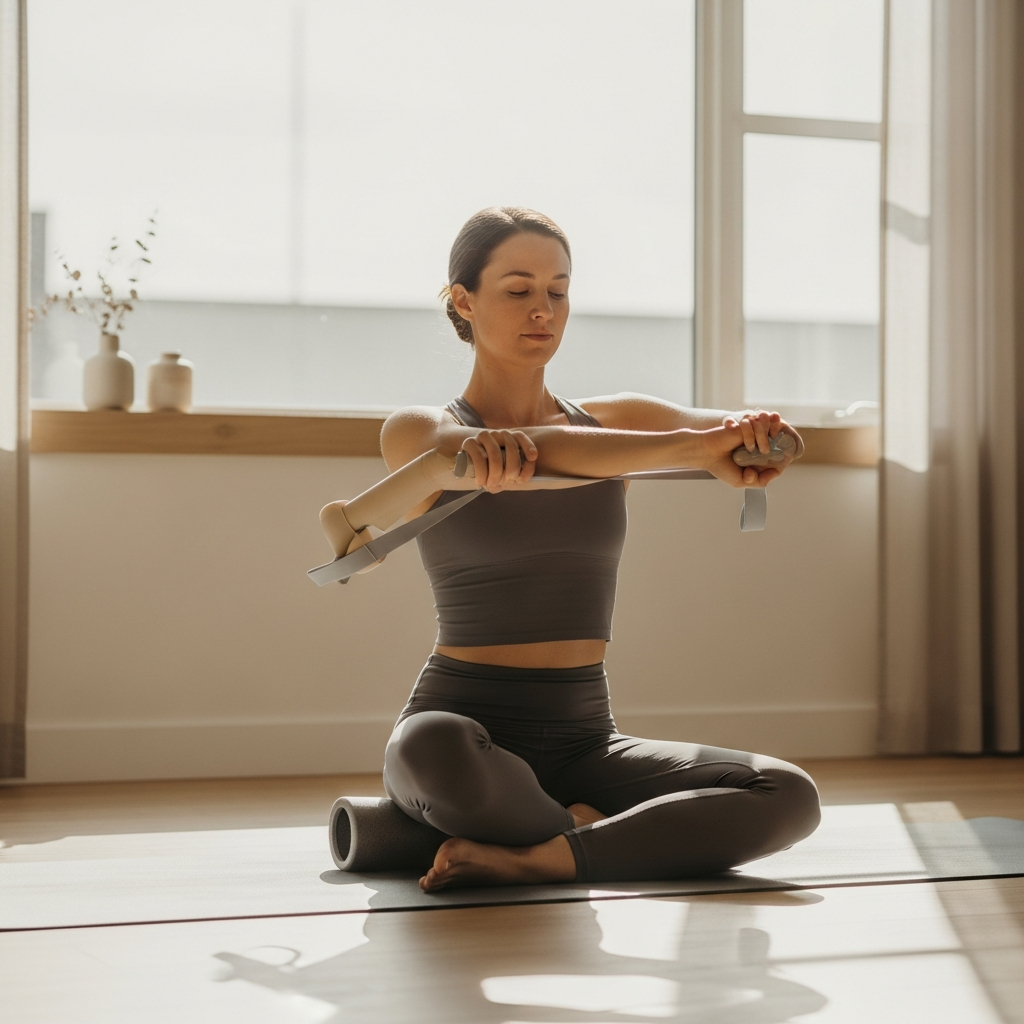
How to Fix Rounded Shoulders: Exercises & Posture Guide
If you spend hours at a desk each day, you might be wondering how to fix rounded shoulders that develop from poor posture. Research suggests that desk workers often develop forward head posture and rounded shoulders, which can lead to chronic pain and reduced mobility. This common issue affects office workers, remote employees, and students alike, creating tension in the neck, shoulders, and upper back. The good news is that with targeted exercises and ergonomic adjustments, you can correct this posture problem and reclaim comfortable movement.
Understanding how to fix rounded shoulders requires addressing both the muscular imbalances and the daily habits that contribute to poor posture. Many people struggle with this issue without realizing how simple changes to their workspace and routine can make a significant difference, similar to techniques for correcting poor posture from sitting all day. By incorporating specific stretches and strengthening exercises into your day, you can reverse the effects of prolonged sitting and computer use.
Table of Contents
What Is how to fix rounded shoulders and Why It Happens
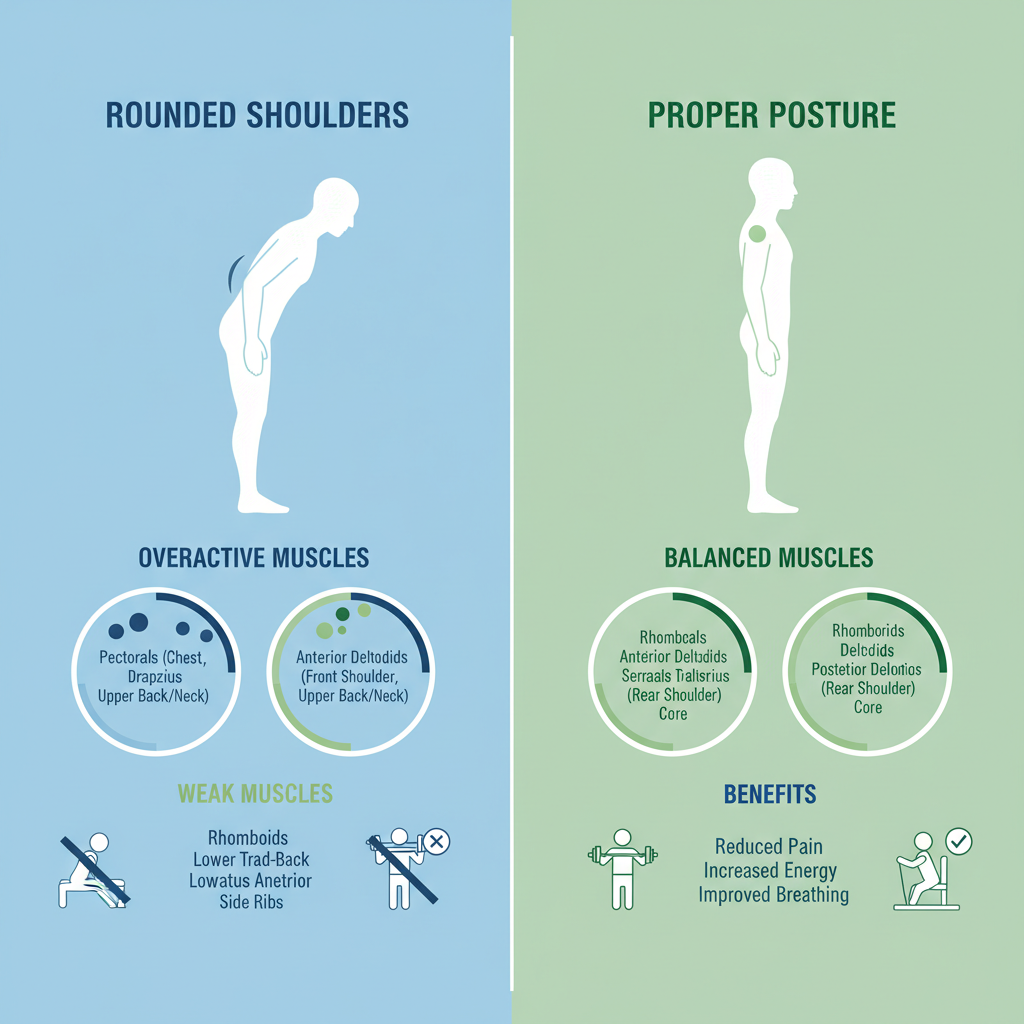
Rounded shoulders, medically known as thoracic kyphosis or upper cross syndrome, occur when the shoulders roll forward and the upper back becomes excessively curved. This posture problem develops gradually over time, often starting with minor habits that eventually create muscular imbalances. The chest muscles become tight and shortened, while the upper back and shoulder blade muscles weaken and lengthen.
Several factors contribute to rounded shoulders, with desk work being the most common culprit. When you sit at a computer for extended periods, your body naturally adopts a forward-leaning position. Your head moves forward to see the screen, your shoulders roll inward, and your chest collapses. This position feels comfortable in the moment but creates long-term postural issues. Other contributing factors include excessive smartphone use, poor sleeping positions, and lack of physical activity that targets the upper back muscles.
The mechanics behind rounded shoulders involve specific muscle groups. The pectoralis major and minor in the chest become chronically tight, pulling the shoulders forward. Meanwhile, the rhomboids, middle trapezius, and lower trapezius in the upper back become weak and underactive. This imbalance creates a constant forward pull on the shoulders that becomes your body’s default position. Understanding these mechanics is crucial for learning how to fix rounded shoulders effectively.
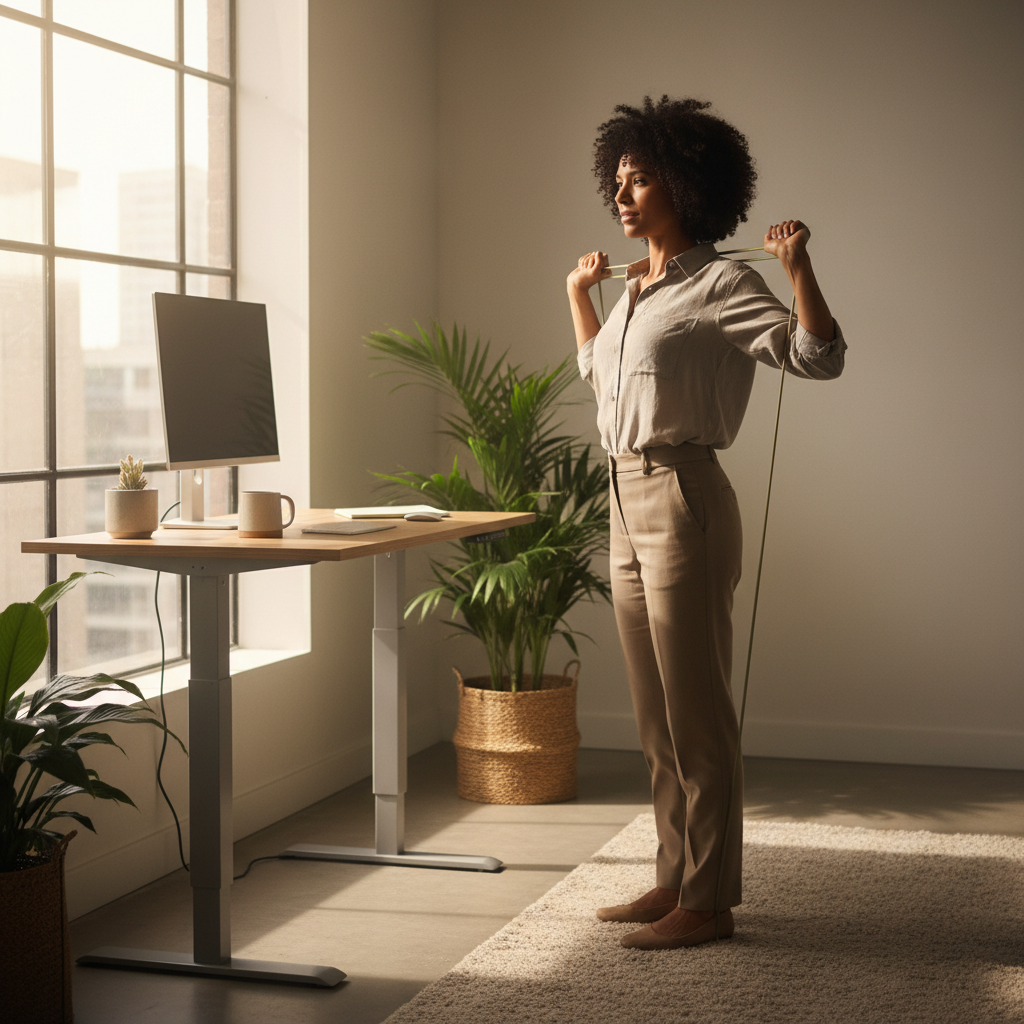
how to fix rounded shoulders Benefits of Correcting Posture
Correcting rounded shoulders offers numerous benefits beyond just improved appearance. When you learn how to fix rounded shoulders, you’re investing in your long-term health and comfort. One of the most immediate benefits is reduced pain and tension in the neck, shoulders, and upper back. Many people experience chronic discomfort in these areas without realizing it’s connected to their posture.
Improved breathing capacity represents another significant benefit. Rounded shoulders compress the chest cavity, limiting how fully your lungs can expand. By correcting your posture, you create more space for your lungs to function optimally. This can lead to better oxygenation throughout your body and increased energy levels. Research suggests that proper posture may also support better digestion by allowing your internal organs more room to function properly.
Enhanced athletic performance and reduced injury risk are additional advantages of correcting rounded shoulders. Many exercises and sports require proper shoulder positioning for optimal performance and safety. When your shoulders are properly aligned, you can generate more power during upper body movements and reduce strain on your joints. This alignment also helps prevent common overuse injuries that occur when muscles work in compromised positions, which is why understanding proper desk ergonomics is so important.
Beyond physical benefits, correcting your posture can positively impact your mental state and confidence. Studies show that upright posture correlates with increased feelings of confidence and reduced stress. When you stand and sit with proper alignment, you project confidence to others and may even feel more self-assured. This psychological benefit complements the physical improvements you’ll experience.
How to Fix how to fix rounded shoulders Step by Step
Learning how to fix rounded shoulders requires a systematic approach that addresses both immediate relief and long-term correction. The first step involves awareness and assessment. Begin by noticing your posture throughout the day—when you’re sitting at your desk, standing in line, or walking. Take a photo of yourself from the side to see your current posture alignment. This visual assessment helps you understand where adjustments are needed.
The second step focuses on releasing tight muscles, particularly in the chest and front of the shoulders. These muscles have likely become shortened from years of forward posture. Incorporate daily stretching for the pectoralis major and minor, as well as the anterior deltoids. Doorway stretches, corner stretches, and chest openers can help lengthen these tight tissues. Consistency with these stretches is more important than intensity.
Step three involves strengthening the weakened muscles in your upper back and shoulders. The rhomboids, middle and lower trapezius, and rear deltoids need targeted activation to counterbalance the forward pull. Exercises like rows, face pulls, and scapular retractions help rebuild these supporting muscles. Start with light resistance and focus on proper form rather than heavy weights to ensure you’re activating the correct muscles.
The fourth step integrates ergonomic adjustments into your daily environment. Your workspace setup significantly influences your posture throughout the day. Adjust your chair height so your feet rest flat on the floor and your knees are at hip level. Position your monitor at eye level to prevent forward head posture. Consider using a standing desk or taking regular movement breaks to avoid prolonged static positions.
how to fix rounded shoulders Exercises, Stretches, and Ergonomics
Effective rounded shoulders exercises target the specific muscle imbalances that cause this postural issue. One of the most beneficial exercises is the scapular retraction, which directly strengthens the rhomboids between your shoulder blades. Sit or stand with good posture, then squeeze your shoulder blades together as if trying to hold a pencil between them. Hold for 5 seconds and repeat 10-15 times throughout the day.
Rows are excellent for building upper back strength that counters rounded shoulders. You can perform bent-over rows with dumbbells, seated cable rows, or inverted rows using a bar or TRX straps. Focus on pulling your shoulder blades together at the peak of the movement. The Mayo Clinic recommends incorporating these types of exercises into your routine for postural improvement.
Essential Exercises for How to Fix Rounded Shoulders
Face pulls specifically target the rear deltoids and upper back muscles that become weak with rounded shoulders. Using a cable machine or resistance band, pull the handles toward your face while keeping your elbows high. This exercise helps correct the internal rotation of the shoulders that contributes to the rounded appearance. Perform 2-3 sets of 12-15 repetitions several times per week.
Wall angels provide both assessment and correction in one movement. Stand with your back against a wall, feet about 6 inches away. Place your arms against the wall in a “W” position with elbows bent. Slowly slide your arms up and down the wall while maintaining contact with your lower back, shoulders, and head. This movement highlights areas of tightness and helps improve shoulder mobility.
For stretching, doorway pectoral stretches effectively lengthen tight chest muscles. Stand in a doorway with your forearms against the frame, elbows at shoulder height. Step forward gently until you feel a stretch across your chest. Hold for 30 seconds and repeat 2-3 times daily. This simple stretch can be done multiple times throughout your workday to counteract the effects of sitting.
Thoracic extension exercises help mobilize the upper back, which often becomes stiff with rounded shoulders. Using a foam roller placed horizontally under your upper back, gently arch backward over the roller. You can also perform cat-cow stretches to improve mobility in this area. These movements help restore the natural curve of your upper back that becomes flattened with poor posture, complementing other strategies for fixing rounded shoulders from desk work.
Ergonomic adjustments play a crucial role in supporting your exercise efforts. The OSHA Ergonomics Guidelines provide valuable recommendations for proper workstation setup. Ensure your keyboard and mouse are positioned so your elbows stay close to your body at 90-120 degree angles. Your monitor should be at arm’s length with the top of the screen at or slightly below eye level.
Prevent how to fix rounded shoulders: Daily Habits That Stick
Preventing rounded shoulders requires integrating simple habits into your daily routine. One of the most effective strategies is setting regular posture reminders. Use phone alarms or computer notifications to prompt you to check and correct your posture throughout the day. Each time the reminder sounds, perform a quick posture reset: sit up straight, pull your shoulders back and down, and align your ears over your shoulders.
Movement breaks are essential for counteracting the effects of prolonged sitting. Research suggests that taking a 2-minute movement break every 30 minutes can significantly reduce postural strain. During these breaks, stand up, stretch, and walk around. Incorporate specific shoulder and back workout movements like shoulder rolls, neck stretches, and torso twists to keep your muscles active and engaged.
Sleep position significantly impacts your posture recovery. How you sleep can either support or undermine your daytime efforts to fix rounded shoulders. The best sleeping position for posture correction is on your back with a supportive pillow that maintains the natural curve of your neck. If you sleep on your side, use a pillow that keeps your head aligned with your spine rather than tilted forward or backward.
Mindful technology use represents another important habit for preventing rounded shoulders. When using smartphones or tablets, bring the device to eye level rather than looking down. This simple adjustment reduces strain on your neck and shoulders. Consider using voice commands or dictation software to reduce the time spent typing and scrolling on mobile devices.
Regular strength training that includes balanced upper body work helps maintain proper posture long-term. Incorporate exercises that target both pushing and pulling movements to ensure muscular balance. The American Physical Therapy Association emphasizes the importance of balanced exercise routines for postural health. Aim for at least two strength training sessions per week that include rows, pull-ups, or lat pulldowns to strengthen your back muscles.
Finally, consider using a posture corrector for rounded shoulders as a training tool rather than a permanent solution. These devices can provide feedback and support during the initial correction phase, helping you develop muscle memory for proper alignment. However, they should complement rather than replace active strengthening and stretching exercises for lasting results.
Conclusion: Your Path to Better Posture
Learning how to fix rounded shoulders is a journey that combines awareness, targeted exercises, and daily habit adjustments. By understanding the muscle imbalances involved and implementing a consistent correction plan, you can achieve significant improvements in your posture and comfort. Remember that consistency matters more than perfection—small daily efforts accumulate into lasting change.
Key takeaways for fixing rounded shoulders:
- Combine stretching for tight chest muscles with strengthening for weak back muscles
- Make ergonomic adjustments to your workspace to support proper alignment
- Incorporate regular movement breaks throughout your workday
- Pay attention to your sleeping position and technology use habits
- Be patient and consistent—posture correction takes time but offers lasting benefits
Start implementing these strategies today and notice the difference in how you feel and move. Share your progress with others who might benefit from learning how to fix rounded shoulders, and consider consulting with a physical therapist or posture specialist for personalized guidance if you experience persistent pain or limited mobility.
Medical Disclaimer: This article is for informational purposes only and does not constitute medical advice. Always consult a qualified healthcare provider before making changes to your health routine or if you have specific medical concerns.