
Heat Therapy for Stress: How to Use Heat for Relaxation
Did you know that 83% of American workers report suffering from work-related stress? The constant pressure of deadlines, meetings, and digital overload creates chronic tension that manifests physically as muscle tightness, headaches, and sleep disturbances. If you’re among the millions seeking natural ways to unwind, heat therapy for stress offers a scientifically-backed solution that’s both accessible and effective. This ancient practice, now validated by modern research, provides a powerful tool for busy professionals to combat daily pressures.
Heat therapy works by triggering your body’s natural relaxation response while easing physical tension. Unlike quick fixes that provide temporary relief, thermal therapy creates lasting changes in how your body manages stress. In this comprehensive guide, you’ll discover how to harness the power of heat through saunas, hot baths, and targeted heating pads. We’ll provide specific protocols designed for desk workers and professionals with limited time but significant stress loads.
The Science Behind Heat Therapy for Stress Relief
How does heat therapy reduce stress? The answer lies in your body’s physiological response to warmth. When exposed to therapeutic heat, your blood vessels dilate, increasing circulation and oxygen delivery throughout your body. This process triggers several beneficial changes that directly combat stress.
The Cortisol Connection
Research from the National Institutes of Health suggests that regular heat exposure may help regulate cortisol levels. Cortisol is your primary stress hormone, and chronically elevated levels contribute to anxiety, weight gain, and sleep problems. Heat therapy appears to support healthier cortisol patterns, promoting better stress management.
Muscle Relaxation Mechanism
Heat penetrates deep into muscle tissue, relaxing tight fibers and reducing stiffness. This physical relaxation sends calming signals to your nervous system. The Mayo Clinic notes that heat therapy can be particularly effective for stress-related muscle tension in the neck, shoulders, and back.
Endorphin Release
Warmth stimulates the release of endorphins, your body’s natural pain-relieving and mood-boosting chemicals. This creates a sense of well-being that counteracts stress. The combination of physical relaxation and biochemical changes makes heat relaxation a powerful tool for modern stress management.
Sauna Therapy: Ancient Wisdom for Modern Stress
Saunas have been used for centuries across cultures for purification and relaxation. Modern research confirms what traditional practices have long understood: regular sauna use provides exceptional sauna stress relief. The dry heat environment offers unique benefits for busy professionals.
Protocol for Maximum Benefits
For optimal results, follow this simple protocol:
- Start with 5-10 minute sessions at 150-170°F
- Gradually increase to 15-20 minutes as you acclimate
- Always cool down gradually after your session
- Hydrate thoroughly before and after
Many people find alternating between heat and cold therapy enhances the stress-relieving effects. This contrast therapy stimulates circulation and may boost resilience to stress.
Types of Saunas for Different Needs
Traditional Finnish saunas use dry heat, while infrared saunas penetrate deeper at lower temperatures. Both offer stress relief benefits, so choose based on personal preference and accessibility. Even a brief 15-minute session can significantly reduce tension and improve mood.
Hot Baths and Showers: Your Daily Stress Reset
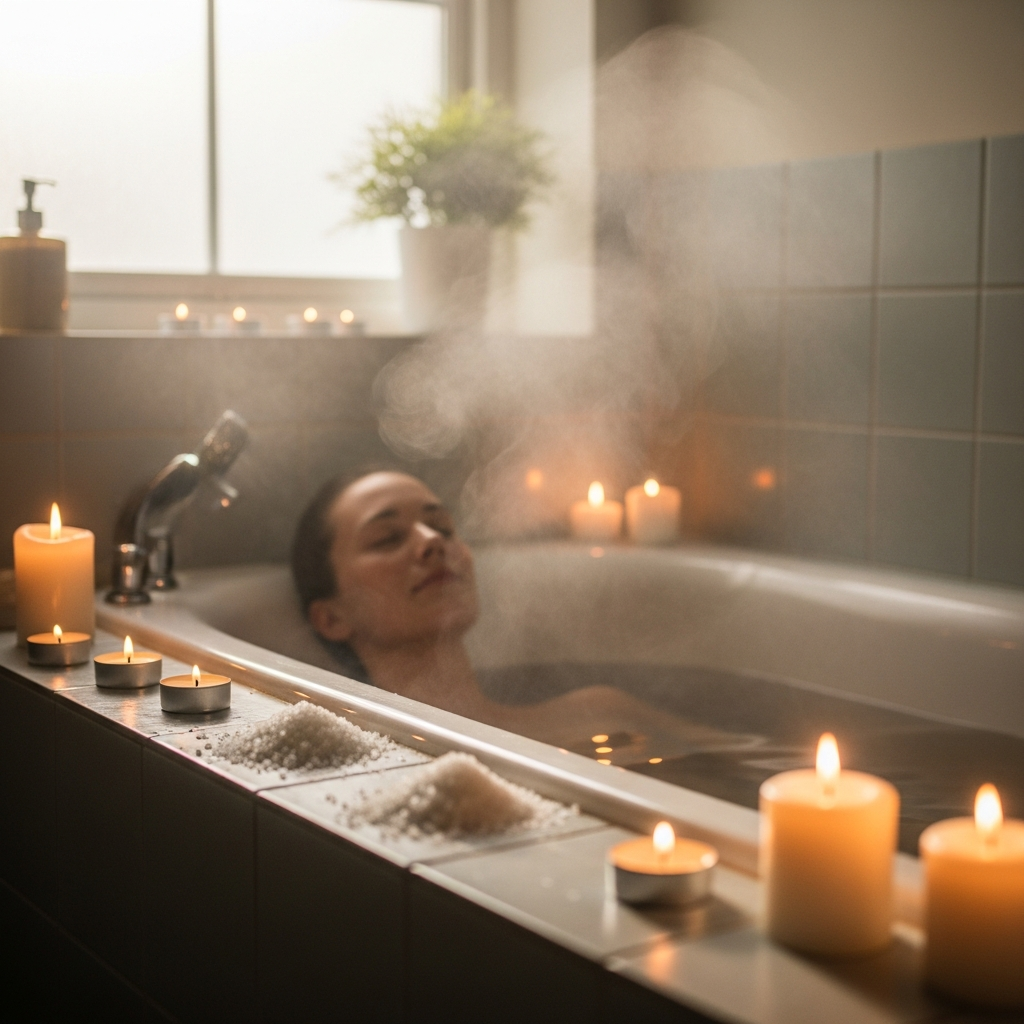
You don’t need specialized equipment to experience the hot bath benefits of heat therapy. Your bathroom can become a personal stress-relief sanctuary with simple practices. Water immersion provides unique advantages for relaxation.
Creating Your Bath Ritual
Transform ordinary bathing into therapeutic practice:
- Set water temperature to 100-104°F (comfortably warm, not scalding)
- Add Epsom salts for magnesium absorption
- Use essential oils like lavender or chamomile
- Dim lights and eliminate distractions
Combine your bath with mindfulness meditation for enhanced stress reduction. Focus on your breathing and bodily sensations as you soak. This combination addresses both physical tension and mental stress simultaneously.
Shower-Based Heat Therapy
For time-crunched professionals, a focused hot shower can provide quick relief. Direct the stream to tense areas like your neck and shoulders. The combination of heat and massage from water pressure offers immediate muscle relaxation that can carry through your workday.
Targeted Heat: Heating Pads for Muscle Tension
When specific areas carry your stress, heating pad therapy provides precise relief. Desk workers often develop tension in predictable patterns: neck, shoulders, lower back, and hands. Targeted heat application addresses these problem areas efficiently.
Best Practices for Heating Pad Use
Follow these guidelines for safe, effective treatment:
- Always use a protective cloth between skin and heating pad
- Limit sessions to 15-20 minutes at a time
- Check skin regularly for redness or irritation
- Never sleep with a heating pad turned on
The best heat therapy for muscle tension often combines heat with proper posture support. Consider pairing heating pad sessions with improvements to your ergonomic workspace setup. This addresses both symptom relief and prevention of future tension.
Portable Heat Options
Modern heating pads come in various forms: electric, microwaveable, and chemical-activated. Choose based on your needs. Microwaveable pads offer convenience at home, while portable chemical pads can provide relief during travel or at the office.
Creating Your Heat Therapy Routine
Consistency transforms occasional relief into lasting stress management. A well-designed thermal therapy routine fits seamlessly into your lifestyle while providing maximum benefits. Here’s how to build a sustainable practice.
Weekly Schedule Template
Consider this balanced approach:
- Daily: 10-minute targeted heating pad session for problem areas
- 3x weekly: 20-minute hot bath or shower ritual
- 1-2x weekly: Sauna session (if accessible)
- Weekends: Longer, more indulgent heat therapy sessions
Timing Matters
Research suggests evening heat therapy may support better sleep by helping your body temperature regulate naturally. However, some people benefit from morning sessions to start the day relaxed. Experiment to find what works best for your schedule and stress patterns.
Safety First: When to Avoid Heat Therapy
While generally safe for most people, heat therapy has important contraindications. The American Psychological Association emphasizes that any stress management technique should be approached with awareness of individual health considerations.
Medical Conditions Requiring Caution
Consult your healthcare provider before starting heat therapy if you have:
- Cardiovascular conditions
- Diabetes with neuropathy
- Pregnancy (especially first trimester)
- Skin conditions or reduced sensation
- Recent injuries or inflammation
General Safety Guidelines
Always listen to your body. Discontinue use if you experience dizziness, nausea, or excessive discomfort. Stay hydrated, and never push beyond your comfort level. Remember that therapeutic heat should feel soothing, not painful.
Conclusion: Embracing Heat for Holistic Stress Management
Heat therapy for stress offers a natural, accessible approach to managing the pressures of modern life. By incorporating these practices into your routine, you can transform how your body responds to daily challenges.
Key Takeaways:
- Heat triggers physiological changes that reduce cortisol and promote relaxation
- Different modalities (sauna, baths, heating pads) address various stress manifestations
- Consistency matters more than intensity for long-term benefits
- Always prioritize safety and consult professionals when needed
Start small with just 10 minutes of targeted heat therapy daily. Notice how your body responds, and gradually build your practice. For additional stress relief techniques, explore our comprehensive wellness resources. Share your heat therapy experiences in the comments below—we’d love to hear what works for you!
Medical Disclaimer: This article is for informational purposes only and does not constitute medical advice. Always consult a qualified healthcare provider before making changes to your health routine or if you have specific medical concerns.