
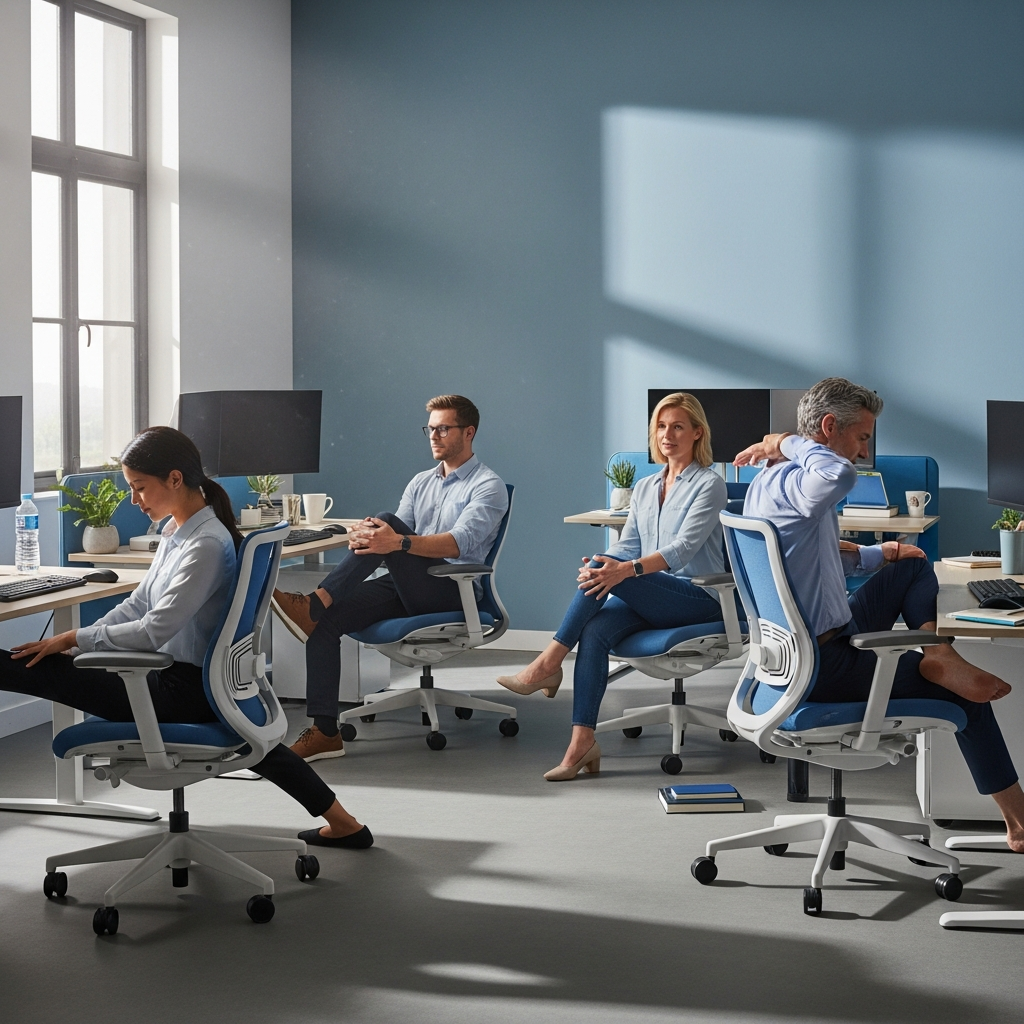
Fix Knee Pain From Sitting: Desk Worker’s Guide to Relief
Are you one of the millions of desk workers who experience knee pain from sitting for long hours? Research shows the average office worker sits for 6-8 hours daily, putting constant pressure on their joints. This persistent discomfort isn’t just annoying—it can significantly impact your productivity and quality of life. The good news is that knee pain from sitting is often preventable and treatable with the right strategies. In this comprehensive guide, we’ll explore why sitting causes knee issues and provide actionable solutions including step-by-step exercises, ergonomic adjustments, and prevention techniques specifically designed for desk workers.
Featured Snippet Answer: Knee pain from sitting typically occurs due to prolonged pressure on the kneecap, reduced blood circulation, and muscle imbalances from inactivity. To fix it, try regular movement breaks, targeted stretching exercises, proper ergonomic chair setup, and strengthening the muscles around your knees. These strategies can provide significant relief for most desk workers experiencing discomfort.
Why Sitting Causes Knee Pain: The Anatomical Explanation
Understanding why you experience knee pain from sitting is the first step toward finding relief. When you sit for extended periods, several physiological changes occur:
- Increased pressure on the patella: Your kneecap (patella) bears significant weight when your knee is bent at 90 degrees, which is the typical sitting position.
- Reduced synovial fluid circulation: This natural lubricant in your joints circulates better with movement. Sitting slows this process, potentially leading to stiffness.
- Muscle tightness and imbalances: Your hip flexors, hamstrings, and quadriceps can become tight, pulling on the knee joint.
- Compromised blood flow: Reduced circulation may contribute to inflammation and discomfort around the knee area.
Many desk workers wonder, “why does my knee hurt when I sit too long?” The answer often lies in these combined factors. Prolonged sitting creates a perfect storm of mechanical stress and physiological changes that manifest as discomfort.
Immediate Relief Exercises for Desk Workers
When knee pain strikes at your desk, these simple exercises can provide quick relief. Perform them right at your workstation throughout the day.
Seated Knee Extensions
Sit tall with feet flat on the floor. Slowly extend one leg straight out, hold for 5 seconds, then lower. Repeat 10-15 times per leg. This gentle movement helps lubricate the joint and strengthen quadriceps.
Chair Squats
Stand in front of your chair with feet shoulder-width apart. Slowly lower yourself as if to sit, then rise back up before touching the chair. Perform 10-15 repetitions. This builds supporting leg muscles.
Hamstring Stretches
Sit on the edge of your chair with one leg extended straight. Gently lean forward until you feel a stretch in the back of your thigh. Hold for 30 seconds and switch sides.
These sitting knee exercises are particularly effective because they address common issues like tight hip flexors that contribute to knee discomfort. For the best exercises for knee pain from sitting, consistency matters more than intensity.
Ergonomic Fixes for Your Workspace
Proper workspace setup can significantly reduce knee strain. Here’s how to optimize your environment for knee health:
- Chair Height Adjustment: Your feet should rest flat on the floor with knees at 90-degree angles. If your chair is too high, use a footrest.
- Proper Foot Support: Consider an ergonomic footrest if your feet don’t reach the floor comfortably.
- Knee Space: Ensure adequate clearance under your desk so you’re not bumping your knees.
- Posture Awareness: Sit with your back against the chair and distribute weight evenly on both hips.
Office chair knee relief often starts with these simple adjustments. For a complete ergonomic workspace setup guide, including monitor placement and keyboard positioning, check our detailed resource. Remember that ergonomic knee support isn’t just about products—it’s about creating a workspace that promotes healthy movement.
Daily Prevention Strategies
Preventing knee pain from sitting requires consistent habits. Incorporate these strategies into your daily routine:
- Movement Breaks: Set a timer to stand and move every 30-45 minutes. Even brief walks to the water cooler help.
- Desk Stretching Routine: Develop a 5-minute stretching routine you can do at your desk.
- Strength Training: Focus on exercises that build quadriceps, hamstrings, and glute muscles.
- Proper Footwear: Wear supportive shoes even when sitting to maintain proper alignment.
To prevent sitting pain comprehensively, consider incorporating sciatica exercises and thoracic mobility exercises into your routine. These complementary approaches address related issues that can contribute to knee discomfort.
When to Seek Professional Help
While most knee pain from sitting responds to self-care, certain symptoms warrant professional attention. Consult a healthcare provider if you experience:
- Severe pain that doesn’t improve with rest
- Swelling, redness, or warmth around the knee
- Locking or catching sensations in the joint
- Difficulty bearing weight on the affected leg
- Pain that wakes you at night
The Mayo Clinic recommends seeking medical advice for persistent knee issues. A physical therapist can provide personalized exercises, while an orthopedist can rule out underlying conditions.
Long-term Knee Health Maintenance
For sustainable relief from desk worker knee pain, adopt these long-term strategies:
- Regular Exercise: Incorporate low-impact activities like swimming, cycling, or walking into your weekly routine.
- Weight Management: Maintaining a healthy weight reduces pressure on your knee joints.
- Proper Nutrition: Anti-inflammatory foods like fatty fish, berries, and leafy greens may support joint health.
- Consistent Stretching: Make stretching part of your daily routine, not just when pain occurs.
According to the American Academy of Orthopaedic Surgeons, maintaining strong leg muscles is crucial for knee stability. The CDC’s workplace ergonomics guidelines also emphasize the importance of proper workstation setup for preventing musculoskeletal issues.
Conclusion
Knee pain from sitting doesn’t have to be an inevitable part of desk work. By implementing the strategies in this guide, you can find relief and prevent future discomfort. Key takeaways include:
- Regular movement breaks are essential for joint health
- Targeted exercises can strengthen supporting muscles
- Proper ergonomic setup reduces strain on your knees
- Consistent prevention strategies work better than reactive treatment
- Professional guidance is valuable for persistent issues
Start implementing these changes today—your knees will thank you tomorrow. Share your experiences with knee pain from sitting in the comments below, and don’t forget to pass this guide along to colleagues who might benefit.
Medical Disclaimer: This article is for informational purposes only and does not constitute medical advice. Always consult a qualified healthcare provider before making changes to your health routine or if you have specific medical concerns.