
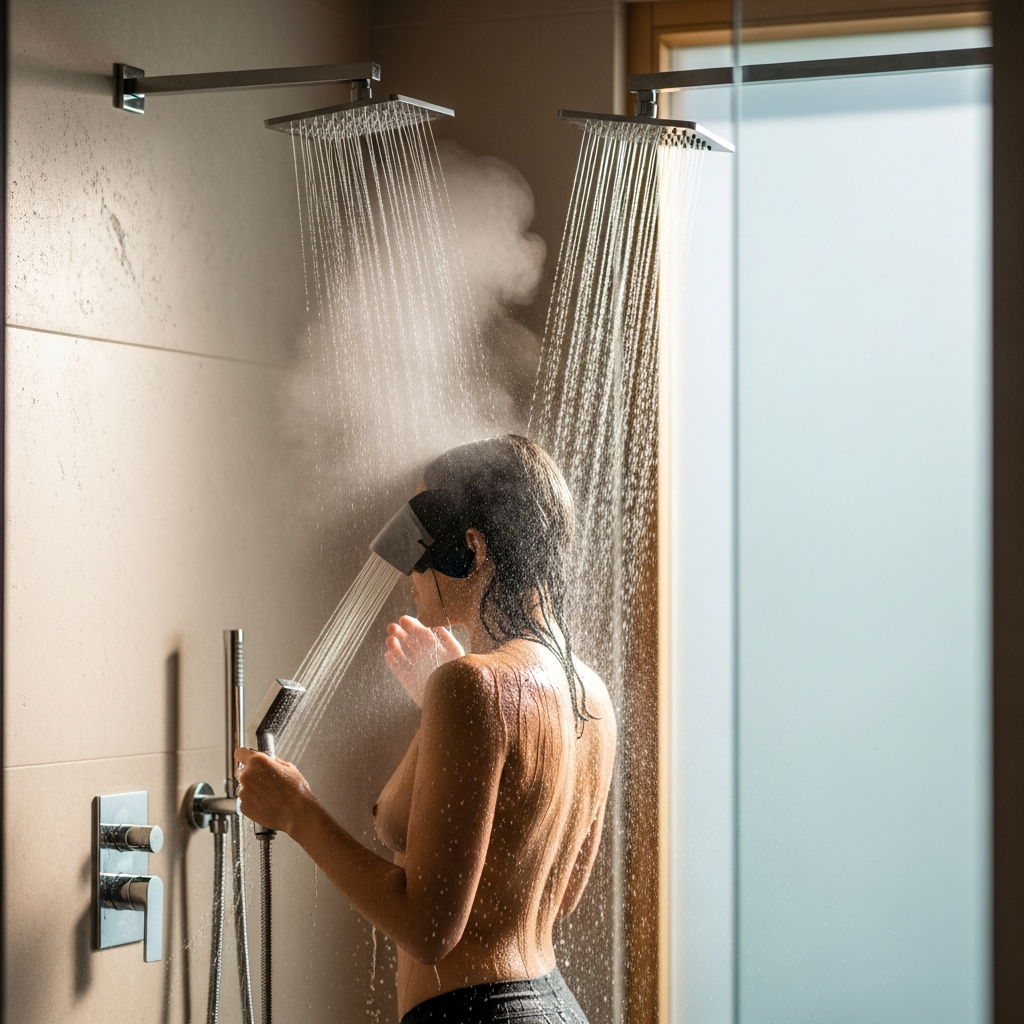
Contrast Therapy Benefits: Science-Backed Guide for Circulation & Recovery
Do you struggle with muscle soreness after workouts or feel like your recovery takes longer than it should? Perhaps you experience poor circulation that leaves your hands and feet feeling cold. If you’re a busy professional looking for evidence-based recovery methods, you’re not alone. Millions seek effective ways to enhance their body’s natural healing processes. The solution might be simpler than you think: understanding and implementing contrast therapy benefits through systematic temperature alternation.
This ancient practice, now backed by modern science, offers a powerful approach to improving circulation, accelerating recovery, and reducing inflammation. Unlike standalone cold shower benefits, contrast therapy combines both heat and cold in strategic cycles. This creates a physiological “pumping” action that can support your body’s natural healing mechanisms. Research suggests this alternating temperature therapy may help busy individuals recover faster and feel more energized throughout their demanding schedules.
In this comprehensive guide, we’ll explore the science behind contrast therapy, provide beginner-friendly protocols, and show you how to safely integrate this practice into your wellness routine. Whether you’re an athlete seeking better recovery or someone looking to improve overall circulation, you’ll discover practical strategies backed by credible research.
What is Contrast Therapy? The Science of Temperature Alternation
Contrast therapy, also known as cold hot therapy or alternating temperature therapy, involves systematically switching between hot and cold applications. This practice falls under the broader category of hydrotherapy recovery techniques that have been used for centuries across various cultures. The fundamental principle is simple: heat causes blood vessels to dilate (vasodilation), while cold causes them to constrict (vasoconstriction).
The Science Behind Temperature Alternation
When you apply heat to an area, your blood vessels expand, increasing blood flow to that region. This delivers more oxygen and nutrients while helping remove metabolic waste products. Conversely, cold application causes blood vessels to constrict, reducing blood flow and inflammation. By alternating between these two states, you create a powerful pumping action that may enhance circulation beyond what either temperature alone can achieve.
According to a study in the Journal of Sports Medicine, this alternating approach can be more effective for recovery than using either heat or cold alone. The research indicates that the contrast between temperatures stimulates physiological responses that support tissue repair and reduce muscle soreness.
Historical Use in Various Cultures
Contrast therapy isn’t a new concept. Ancient Roman bathhouses featured alternating hot and cold pools, while traditional Finnish sauna culture incorporates cold plunges between heat sessions. Many indigenous cultures have used river bathing with varying water temperatures for healing purposes. These historical practices intuitively understood what modern science now confirms: systematic temperature variation supports the body’s natural healing processes.
The Mayo Clinic recognizes hydrotherapy as a valid approach to relaxation and recovery, noting that temperature variations can influence circulation and muscle tension. This historical wisdom, combined with contemporary research, makes contrast therapy a compelling option for modern wellness seekers.
How Does Contrast Therapy Improve Circulation? The Vascular Response
Understanding how does contrast therapy improve circulation requires examining the body’s vascular system. Your circulatory system is designed to adapt to environmental changes, and temperature is one of the most powerful stimuli it responds to. The alternating hot-cold cycle creates what researchers call a “vascular exercise” that trains your blood vessels to be more responsive.
Vasodilation and Vasoconstriction Cycle
When you apply heat (typically 100-110°F or 38-43°C), your blood vessels dilate within minutes. This vasodilation increases blood flow to the area, delivering fresh oxygen and nutrients. When you switch to cold (typically 50-60°F or 10-15°C), the vessels constrict rapidly, pushing blood away from the area. This alternating cycle creates a pumping action that may enhance overall vascular function.
This process represents one of the most effective circulation improvement techniques available. Unlike passive methods, contrast therapy actively engages your vascular system. The repeated dilation and constriction can help improve endothelial function—the health of the inner lining of your blood vessels. Healthy endothelial function is crucial for proper circulation and cardiovascular health.
Enhanced Blood Flow to Muscles and Organs
The pumping action created by contrast therapy doesn’t just affect surface circulation. Research suggests it may enhance blood flow to deeper tissues, including muscles and internal organs. This increased perfusion can support nutrient delivery and waste removal at a cellular level. For those looking for natural circulation improvement techniques, contrast therapy offers a non-invasive approach that can be easily implemented at home.
Studies indicate that regular contrast therapy may help improve microcirculation—the blood flow through the smallest vessels in your body. Enhanced microcirculation supports tissue health, wound healing, and overall vitality. The American Council on Exercise notes that proper circulation is fundamental to recovery and performance in their recovery protocols.
Best Contrast Therapy Routine for Beginners: Safe Implementation Guide
Starting contrast therapy can feel intimidating, but with proper guidance, anyone can implement a safe and effective routine. The key is beginning gradually and listening to your body’s responses. Here’s your step-by-step guide to creating the best contrast therapy routine for beginners that balances effectiveness with safety.
Safe Temperature Guidelines
For beginners, it’s crucial to use moderate temperatures that your body can tolerate comfortably. Start with these ranges:
- Hot phase: 100-105°F (38-40°C) – comfortably warm but not scalding
- Cold phase: 60-70°F (15-21°C) – noticeably cool but not painfully cold
As your body adapts over several weeks, you can gradually extend the temperature range. Always prioritize comfort over intensity, especially when beginning. Extreme temperatures can cause adverse reactions, particularly for those with certain medical conditions.
Timing Protocols (1:1, 2:1, 3:1 Ratios)
Research suggests several effective timing ratios for contrast therapy. Beginners should start with the simplest protocol:
- 1:1 Ratio: 3 minutes hot, 3 minutes cold (repeat 3-4 times)
- 2:1 Ratio: 4 minutes hot, 2 minutes cold (repeat 3-4 times)
- 3:1 Ratio: 3 minutes hot, 1 minute cold (repeat 5-6 times)
Start with just 2-3 cycles of the 1:1 ratio and gradually increase as your tolerance improves. Always end with cold to reduce inflammation and close the blood vessels. This approach complements other active recovery methods you might already be using.
Step-by-Step Implementation
Follow these steps for your first contrast therapy session:
- Begin with 5 minutes of light movement to warm up your body
- Start with heat application for the prescribed time
- Switch immediately to cold application
- Repeat for your chosen number of cycles
- Finish with gentle stretching and hydration
- Listen to your body and adjust temperatures as needed
Consistency matters more than intensity. Starting with 2-3 sessions per week allows your body to adapt gradually. Many people find morning sessions energizing, while evening sessions can promote relaxation and recovery.
Contrast Therapy Benefits for Muscle Recovery: Accelerating Healing
Athletes and fitness enthusiasts have long sought effective recovery strategies, and contrast therapy benefits for muscle recovery are particularly compelling. The alternating temperatures create physiological conditions that may support faster healing and reduced discomfort after intense exercise. Understanding these mechanisms can help you optimize your recovery routine.
Reducing Inflammation and DOMS
Delayed Onset Muscle Soreness (DOMS) typically peaks 24-72 hours after intense exercise. Contrast therapy may help mitigate this discomfort through its anti-inflammatory effects. The cold phases reduce inflammation by constricting blood vessels and decreasing metabolic activity in tissues. Meanwhile, the heat phases increase blood flow to deliver anti-inflammatory compounds naturally produced by your body.
Research suggests that contrast therapy following exercise may reduce markers of inflammation and perceived muscle soreness. This makes it a valuable tool for those who engage in regular physical activity but struggle with recovery time. The alternating approach appears more effective for reducing DOMS than either heat or cold therapy alone.
Flushing Metabolic Waste Products
Intense exercise produces metabolic byproducts like lactic acid that can accumulate in muscles. The pumping action of contrast therapy helps flush these waste products from tissues. Heat increases blood flow to carry away metabolic waste, while cold helps reduce swelling that might impede circulation.
This waste removal process supports cellular function and may reduce muscle fatigue. When combined with proper lymphatic drainage practices, contrast therapy can create a comprehensive recovery system. The lymphatic system works alongside your circulatory system to remove waste, and temperature variations may support both systems’ functions.
Supporting Tissue Repair
Muscle repair requires adequate blood flow to deliver building blocks for tissue regeneration. Contrast therapy’s alternating temperatures may enhance this delivery system. The heat phases increase circulation to bring nutrients and oxygen to damaged tissues, while cold phases help control inflammation that could otherwise slow the healing process.
This creates an optimal environment for tissue repair without overwhelming the area with excessive inflammation. For those recovering from injuries or intense training cycles, contrast therapy offers a non-invasive way to support the body’s natural healing mechanisms. Always consult with healthcare providers for injury recovery protocols.
Safety Considerations and Medical Guidelines for Contrast Therapy
While contrast therapy offers numerous potential benefits, it’s not suitable for everyone. Understanding contraindications and safety guidelines is crucial for responsible implementation. These precautions ensure you can enjoy the contrast shower benefits without unnecessary risks.
Who Should Avoid Contrast Therapy
Certain individuals should avoid contrast therapy or consult healthcare providers before beginning:
- People with cardiovascular conditions (heart disease, hypertension, Raynaud’s disease)
- Those with sensory disorders that affect temperature perception
- Individuals with open wounds or skin conditions in the treatment area
- People with diabetes or circulatory disorders
- Pregnant individuals, especially during first trimester
If you have any chronic health conditions, consult your doctor before starting contrast therapy. They can provide personalized guidance based on your specific health status and needs.
Medical Conditions Requiring Caution
Some conditions require modified approaches rather than complete avoidance:
- Hypertension: Use milder temperature contrasts and shorter durations
- Diabetes: Monitor blood sugar levels and avoid extreme temperatures
- Arthritis: Gentle warmth may help, but avoid cold if it increases stiffness
- Recent injuries: Wait until acute inflammation subsides before beginning
Always start with the mildest protocol and observe how your body responds. Discontinue use if you experience dizziness, nausea, excessive pain, or other adverse reactions. Remember that contrast therapy should complement, not replace, medical treatment when needed.
Consulting Healthcare Providers
Before incorporating contrast therapy into your routine, consider discussing it with healthcare professionals. They can help you determine if it’s appropriate for your specific situation. This is especially important if you’re using contrast therapy alongside other treatments like heat therapy for stress relief or managing chronic conditions.
Healthcare providers can also help you establish safe parameters for temperature ranges, duration, and frequency. Their guidance ensures you maximize benefits while minimizing risks. This collaborative approach represents responsible self-care that respects both traditional wisdom and modern medical knowledge.
Integrating Contrast Therapy into Your Wellness Routine
Successfully incorporating contrast therapy requires thoughtful integration with your existing health practices. Rather than treating it as an isolated activity, consider how it complements other aspects of your wellness journey. This holistic approach maximizes the hydrotherapy recovery benefits while supporting overall health.
Combining with Other Recovery Methods
Contrast therapy works well alongside various recovery strategies:
- Active recovery: Light movement between contrast therapy sessions
- Nutrition: Proper hydration and anti-inflammatory foods
- Sleep: Quality rest to support tissue repair
- Stress management: Mindfulness practices to enhance relaxation response
This integrated approach creates synergistic effects where each component supports the others. For example, contrast therapy may enhance the benefits of proper nutrition by improving circulation to deliver nutrients more effectively to tissues.
Frequency and Duration Recommendations
Research suggests these general guidelines for contrast therapy frequency:
- Beginners: 2-3 sessions per week, 15-20 minutes each
- Intermediate: 3-4 sessions per week, 20-30 minutes each
- Advanced: 4-5 sessions per week, 30-40 minutes each
Listen to your body’s signals rather than rigidly adhering to schedules. Some days you may benefit from longer sessions, while other days shorter sessions might be more appropriate. The key is consistency over perfection—regular moderate practice typically yields better results than occasional intense sessions.
Tracking Your Progress
Monitoring your responses helps optimize your contrast therapy practice:
- Note how you feel immediately after sessions
- Track recovery time after workouts
- Monitor circulation improvements (warmer extremities, reduced swelling)
- Record changes in energy levels and sleep quality
- Document any reductions in muscle soreness
This data helps you adjust your protocol for maximum benefit. Remember that progress may be gradual—consistent practice over weeks typically yields more noticeable results than dramatic changes after single sessions.
Conclusion: Embracing Contrast Therapy for Enhanced Wellbeing
Contrast therapy represents a powerful bridge between ancient wisdom and modern science. By understanding and implementing these temperature alternation techniques, you can potentially enhance your body’s natural healing capacities. The contrast therapy benefits extend beyond physical recovery to support overall vitality and wellbeing.
Key takeaways from this guide include:
- Contrast therapy alternates between heat and cold to create vascular pumping action
- This approach may improve circulation more effectively than single-temperature therapies
- Beginner protocols emphasize gradual progression and safety considerations
- Regular practice can support muscle recovery and reduce inflammation
- Integration with other wellness practices creates synergistic benefits
Start your contrast therapy journey today with our beginner-friendly protocols. Remember that consistency matters more than intensity—begin gently and build gradually. Share your experiences in the comments below, and let us know how contrast therapy impacts your recovery and circulation.
Your journey toward enhanced recovery and circulation begins with understanding these evidence-based approaches. The contrast therapy benefits await those willing to explore this time-tested practice with modern scientific understanding.
Medical Disclaimer: This article is for informational purposes only and does not constitute medical advice. Always consult a qualified healthcare provider before making changes to your health routine or if you have specific medical concerns.