
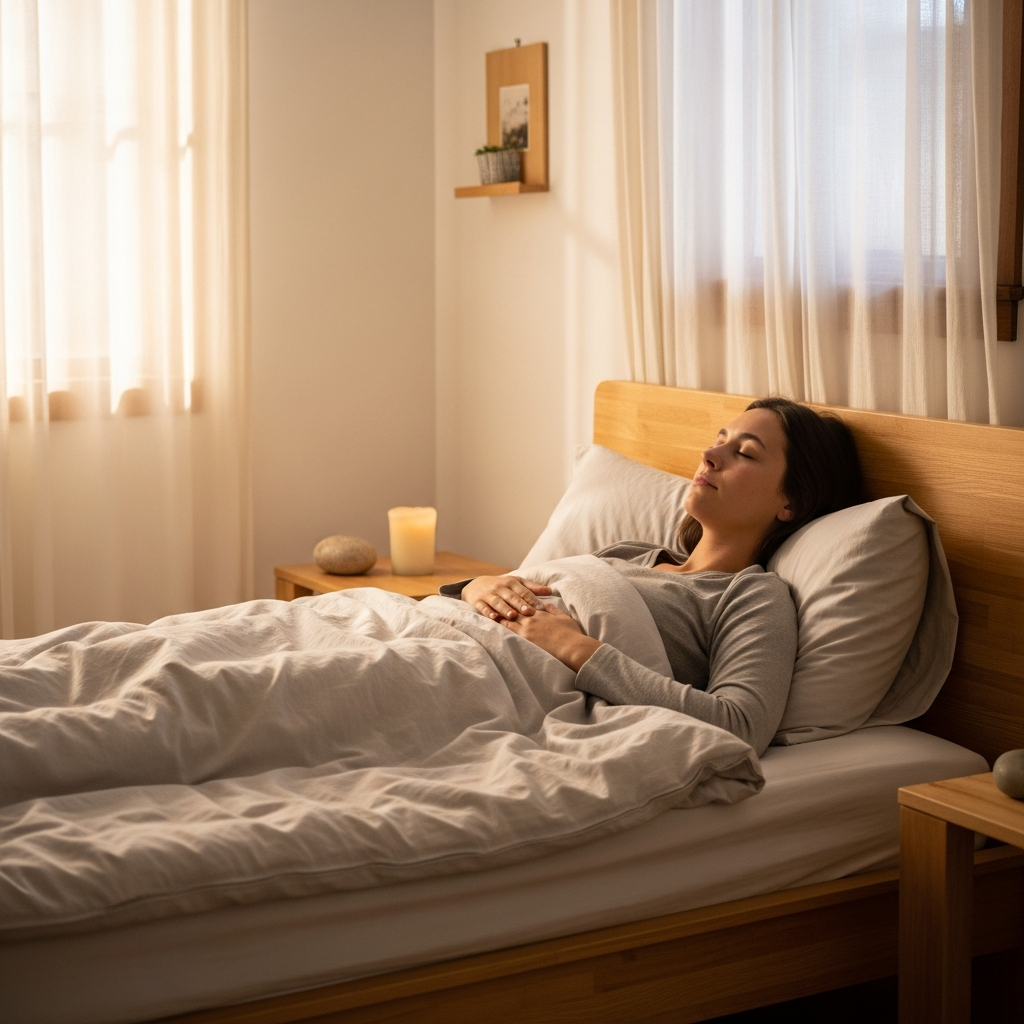
Body Scan Meditation: Complete Guide for Better Sleep & Relaxation
Do you find yourself staring at the ceiling at 2 AM, your mind racing with tomorrow’s to-do list? You’re not alone. According to the Centers for Disease Control and Prevention, one in three adults doesn’t get enough sleep. Stress and anxiety are major culprits, creating a vicious cycle where worry prevents rest, and fatigue amplifies stress. Fortunately, there’s a simple yet powerful solution: body scan meditation. This mindfulness practice can help break the insomnia cycle by teaching your body and mind to relax systematically. Research shows that regular body scan meditation practice can significantly increase deep sleep and improve overall sleep quality.
Body scan meditation is a form of mindfulness meditation that involves mentally scanning your body from head to toe, noticing sensations without judgment. Unlike counting sheep or trying to force sleep, this technique works with your body’s natural relaxation response. When practiced consistently, it can become your secret weapon against sleepless nights. In this comprehensive guide, you’ll learn exactly how to use body scan meditation for better sleep, backed by science and practical steps you can implement tonight.
What is Body Scan Meditation and How It Works for Sleep
Body scan meditation is a specific type of mindfulness meditation that directs your attention systematically through different parts of your body. Unlike other forms of meditation that focus on breath or mantras, body scanning encourages you to notice physical sensations, tension, and relaxation in each area. This practice originated from mindfulness-based stress reduction (MBSR) programs and has been adapted specifically for sleep improvement.
The Connection Between Body Awareness and Sleep
When you practice body scan meditation, you’re training your brain to shift from problem-solving mode to sensory awareness mode. This transition is crucial for sleep because it helps quiet the “monkey mind” that keeps you awake. By focusing on physical sensations rather than thoughts, you create a bridge from wakefulness to sleep. The technique works by:
- Reducing physiological arousal (lowering heart rate and blood pressure)
- Decreasing muscle tension throughout the body
- Shifting attention away from racing thoughts
- Activating the parasympathetic nervous system (rest and digest mode)
This form of guided meditation is particularly effective for sleep because it provides structure for your attention. When you’re tired but wired, having a clear mental task (scanning your body) gives your mind something to focus on besides worries. Many people find that they fall asleep naturally during the practice, which is perfectly fine—the goal is relaxation, not staying awake.
The Science Behind Body Scan Meditation for Better Sleep
Research from the National Institutes of Health (NIH) shows that mindfulness practices like body scan meditation can significantly improve sleep quality. A study published in JAMA Internal Medicine found that participants who practiced mindfulness meditation experienced less insomnia, fatigue, and depression compared to those who received standard sleep education. The NIH meditation research demonstrates how these practices affect brain activity and stress hormones.
How Body Scanning Reduces Stress and Anxiety
Body scan meditation works by interrupting the stress-sleep cycle. When you’re stressed, your body produces cortisol and adrenaline—hormones that keep you alert and awake. By systematically relaxing each body part, you signal to your nervous system that it’s safe to rest. This practice complements other grounding techniques for anxiety by providing a physical anchor for your attention.
Studies show that regular practitioners experience:
- Reduced cortisol levels (the primary stress hormone)
- Increased melatonin production (the sleep hormone)
- Improved heart rate variability (a marker of relaxation)
- Decreased inflammatory markers associated with poor sleep
The American Psychological Association recognizes mindfulness practices as effective for stress management. Their guidelines suggest that techniques like body scanning can help break the association between bed and anxiety, creating a more positive sleep environment.
Step-by-Step Guide: How to Do Body Scan Meditation for Sleep
Learning how to do body scan meditation for sleep is simpler than you might think. You don’t need special equipment or years of practice—just a comfortable position and 10-20 minutes of your time. Here’s a beginner-friendly guide you can try tonight:
- Get comfortable: Lie in bed on your back with arms at your sides, palms facing up. Use pillows to support your neck and knees if needed.
- Take three deep breaths: Inhale slowly through your nose, exhale through your mouth. Let your body sink into the mattress.
- Start at your toes: Bring your attention to your left foot. Notice any sensations—tingling, warmth, pressure, or nothing at all. Don’t judge, just observe.
- Move systematically: Slowly move your attention up through your ankle, calf, knee, thigh, and hip. Repeat on the right side.
- Continue scanning: Move through your torso, back, chest, shoulders, arms, hands, neck, and finally your head and face.
- Notice without changing: The goal isn’t to relax each part (though that often happens naturally), but to simply notice what’s there.
- Return to breath: If your mind wanders, gently bring it back to the body part you were scanning.
- Complete the scan: When you reach the top of your head, take a moment to feel your whole body as one relaxed unit.
Pro Tips for Maximum Effectiveness
For even better results, combine body scanning with the 4-7-8 breathing technique. This powerful combination addresses both physical tension and nervous system regulation. Start with 4-7-8 breathing for a few cycles, then begin your body scan. Many people find they fall asleep before completing the full scan—and that’s perfectly okay!
Remember that consistency matters more than perfection. Even 5 minutes of body scanning before bed can make a difference. The Mayo Clinic’s sleep guidelines emphasize creating a relaxing bedtime routine, and body scan meditation fits perfectly into this framework.
Best Time to Practice Body Scan Meditation for Maximum Benefits
Timing matters when it comes to sleep practices. The best time to do body scan meditation depends on your schedule and sleep challenges, but here are evidence-based recommendations:
Ideal Timing for Different Sleep Issues
For difficulty falling asleep: Practice body scanning in bed as part of your wind-down routine. Begin 20-30 minutes before your target sleep time. This allows your body to transition smoothly from wakefulness to sleep.
For middle-of-the-night awakenings: Keep the practice brief (5-10 minutes) if you wake up and can’t fall back asleep. The goal is relaxation, not completing a full scan.
For general stress reduction: Practice during the day to build the skill. Like any skill, body scanning becomes more effective with regular practice, even outside bedtime.
Creating a Sustainable Routine
Consistency is key for sleep improvement. Try these tips:
- Start small: Begin with 5-minute sessions and gradually increase as you become comfortable
- Use cues: Associate body scanning with your existing bedtime routine (after brushing teeth, turning off lights)
- Be flexible: If you miss a night, simply resume the next day without self-criticism
- Track progress: Notice subtle improvements in sleep quality rather than expecting immediate transformation
Research suggests that practicing at the same time each night helps regulate your circadian rhythm. Your body learns to associate body scanning with sleep preparation, making the transition to rest more automatic over time.
Body Scan Meditation Benefits for Insomnia and Sleep Quality
The body scan meditation benefits for insomnia are supported by growing scientific evidence. Unlike sleeping pills that address symptoms, body scanning targets the root causes of sleep difficulties. Here’s what research and clinical experience show:
Specific Benefits for Sleep Disorders
Reduces sleep onset latency: Studies show that regular practitioners fall asleep faster. One trial found a 20-minute reduction in time to fall asleep after 8 weeks of practice.
Improves sleep efficiency: This measures the percentage of time in bed actually spent sleeping. Body scanning can increase sleep efficiency by reducing wake time after sleep onset.
Enhances sleep quality: Participants report feeling more rested upon waking, even with the same amount of sleep. This suggests improved sleep architecture (more deep and REM sleep).
Decreases sleep medication use: As natural sleep improves, many people reduce or eliminate sleep aids under medical supervision.
Beyond Sleep: Additional Health Benefits
Body scan meditation offers benefits that extend beyond better sleep:
- Stress reduction: Lowers perceived stress and improves stress resilience
- Pain management: Helps with chronic pain conditions by changing pain perception
- Emotional regulation: Improves mood and decreases symptoms of anxiety and depression
- Body awareness: Increases connection with physical sensations and early signs of tension
These additional benefits create a positive feedback loop: better sleep reduces stress, which improves sleep further. This holistic approach addresses multiple aspects of health simultaneously.
Common Challenges and Solutions for Beginners
Starting any new practice comes with challenges. Here are common obstacles beginners face with body scan meditation and practical solutions:
Challenge 1: “My Mind Won’t Stop Wandering”
Solution: Mind wandering is normal and expected. The practice isn’t about stopping thoughts, but noticing when you’ve drifted and gently returning to body awareness. Each time you bring your attention back, you’re strengthening your mindfulness “muscle.”
Challenge 2: “I Fall Asleep Too Quickly”
Solution: This isn’t a problem—it’s success! If you fall asleep during the scan, your body is telling you it’s ready for rest. You can practice earlier in the evening to build the skill while awake, then use a shorter version at bedtime.
Challenge 3: “I Notice Uncomfortable Sensations”
Solution: The goal is observation without judgment. If you notice tension or discomfort, simply acknowledge it without trying to change it. Often, the mere act of noticing allows natural relaxation to occur.
Challenge 4: “I Don’t Have 20 Minutes”
Solution: Start with a 3-minute version: scan just your feet, hands, and face. Even brief practice has benefits. As you experience improvements, you’ll likely find yourself making more time for longer sessions.
Building a Sustainable Practice
Remember that progress in meditation isn’t linear. Some days will feel easier than others. The key is consistency rather than perfection. Celebrate small victories, like noticing when your mind wanders or completing a scan without frustration. These are signs of growing mindfulness.
Conclusion: Transform Your Sleep with Body Scan Meditation
Body scan meditation offers a natural, evidence-based approach to better sleep that addresses both physical tension and mental chatter. By incorporating this practice into your routine, you can break the stress-sleep cycle and cultivate deeper relaxation.
Key takeaways:
- Body scan meditation systematically relaxes your body and quietens your mind
- Regular practice can reduce sleep onset time and improve sleep quality
- The technique is flexible—adapt it to your schedule and needs
- Combining with other practices like the 4-7-8 breathing enhances benefits
- Consistency matters more than perfection in building this skill
Start tonight with just 5 minutes of body awareness. Remember that this practice complements other strategies to stop catastrophizing and manage nighttime anxiety. As you develop this skill, you’ll likely notice improvements not just in sleep, but in daytime stress levels and overall wellbeing.
Ready to transform your sleep? Commit to practicing body scan meditation for 21 nights—the time it typically takes to form a new habit. Share your experiences in the comments below, and if this guide helped you, consider sharing it with someone who struggles with sleep.
Medical Disclaimer: This article is for informational purposes only and does not constitute medical advice. Always consult a qualified healthcare provider before making changes to your health routine or if you have specific medical concerns.