
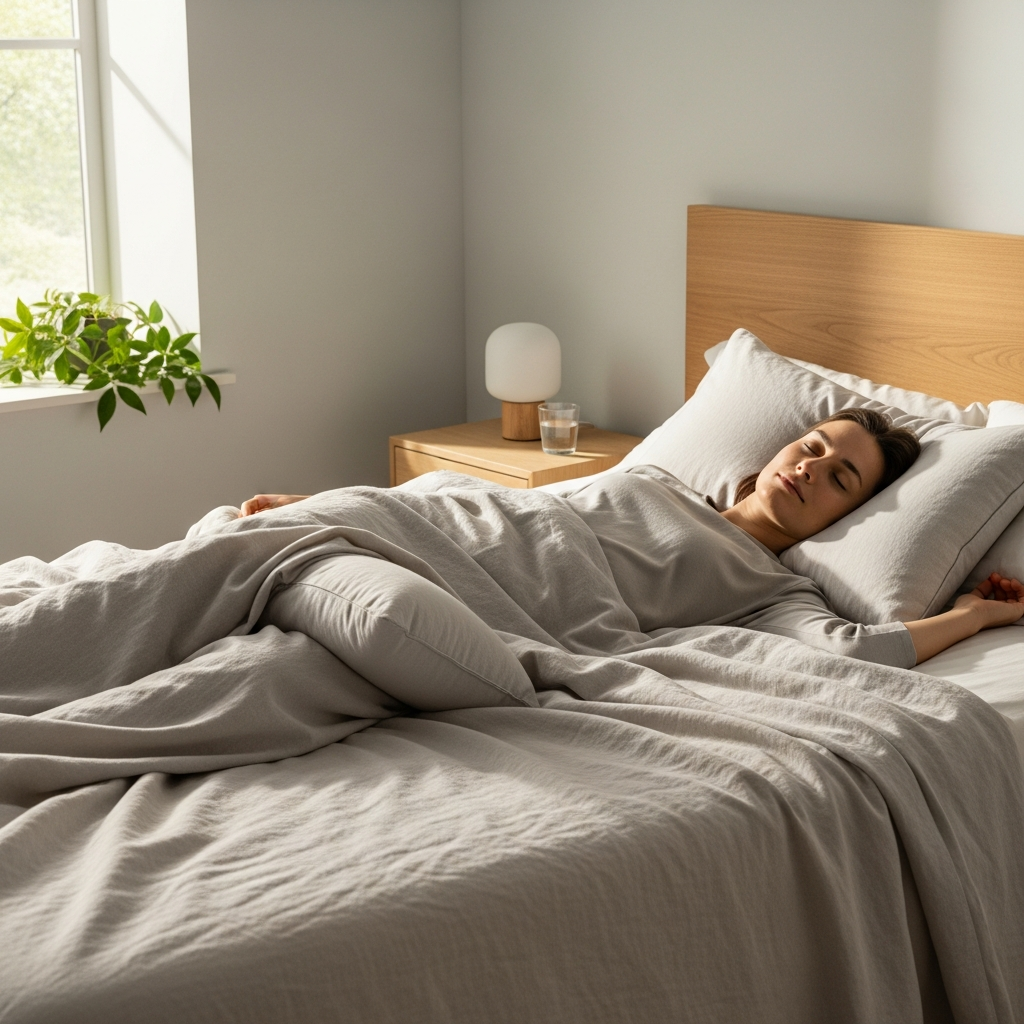
Best Sleep Posture Guide: Wake Up Pain-Free Every Morning
Do you wake up feeling stiff, achy, or with nagging pain that follows you throughout the day? You’re not alone. Research shows that approximately one in three adults experience morning pain related to poor sleep positioning. The solution lies in finding your best sleep posture – a concept that goes beyond just comfort to address proper spinal alignment and musculoskeletal health.
Many people don’t realize that their sleeping positions can contribute to chronic issues like back pain, neck stiffness, and even headaches. This comprehensive guide will teach you how to sleep without waking up in pain by optimizing your nighttime alignment. Whether you’re dealing with existing discomfort or simply want to prevent future issues, understanding proper sleep posture can transform your mornings and overall well-being.
For those who spend long hours at desks, poor daytime posture often carries over into sleep. If you struggle with forward head posture from computer work, you’ll especially benefit from these nighttime alignment strategies. Let’s explore the science-backed techniques that can help you achieve restorative, pain-free sleep.
Understanding Sleep Posture Fundamentals
Sleep posture refers to the position your body maintains during sleep and how it affects your musculoskeletal alignment. Proper sleep posture supports the natural curves of your spine while minimizing stress on joints and muscles. When your body is correctly aligned, your muscles can truly relax rather than working to compensate for poor positioning.
Spinal alignment is the cornerstone of effective sleep posture. Your spine has three natural curves: cervical (neck), thoracic (mid-back), and lumbar (lower back). Maintaining these curves during sleep helps distribute pressure evenly and prevents strain on specific areas. Research from the National Institutes of Health suggests that proper alignment during sleep may also support brain health and cognitive function.
Why Alignment Matters for Pain Prevention
When your spine is misaligned during sleep, certain muscles must work overtime to stabilize your body. This can lead to:
- Morning stiffness and soreness
- Reduced sleep quality and frequent waking
- Increased risk of developing chronic pain conditions
- Aggravation of existing musculoskeletal issues
The best sleep posture varies slightly from person to person based on body type, existing conditions, and personal comfort. However, certain principles apply universally for achieving optimal alignment and back pain relief.
The Best Sleeping Positions for Pain Relief
Your choice of sleeping position significantly impacts your spinal health and comfort. Let’s examine the three primary sleeping positions and their effects on your body.
Back Sleeping (Supine Position)
Sleeping on your back is generally considered the best sleeping position for back pain according to many healthcare professionals. This position:
- Distributes weight evenly across your body
- Minimizes pressure points
- Helps maintain neutral spinal alignment
- Reduces acid reflux symptoms when properly elevated
For optimal back sleeping, place a pillow under your knees to reduce lower back strain. Your head pillow should support your neck’s natural curve without pushing your chin toward your chest. Many people who experience neck tension and headaches find significant relief by switching to proper back sleeping alignment.
Side Sleeping (Lateral Position)
Side sleeping is the most common position and can be excellent for spinal health when done correctly. This position:
- Helps reduce snoring and sleep apnea symptoms
- May improve circulation during pregnancy
- Can alleviate acid reflux when sleeping on the left side
The key to effective side sleeping is maintaining spinal neutrality. Place a pillow between your knees to keep your hips aligned. Your head pillow should fill the space between your ear and shoulder – this is where proper pillow height for side sleepers becomes crucial for preventing neck strain.
Stomach Sleeping (Prone Position)
Sleeping on your stomach is generally discouraged by healthcare providers because it:
- Forces your neck into extreme rotation
- Flattens the natural curve of your lower back
- Can cause shoulder and hip strain
- May contribute to breathing difficulties
If you must sleep on your stomach, try transitioning gradually to side or back sleeping. Place a thin pillow under your hips to reduce lower back strain, and consider sleeping without a head pillow to minimize neck rotation.
Pillow Selection and Support Systems
Your pillow plays a critical role in achieving proper sleep alignment. The right pillow supports your head and neck while maintaining spinal neutrality. Pillow selection should consider your preferred sleeping position, body size, and any specific health concerns.
Choosing the Right Pillow Height
Pillow height varies significantly based on your sleeping position:
- Back sleepers: Medium height pillows that support the neck’s natural curve
- Side sleepers: Higher pillows that fill the shoulder-to-ear gap
- Stomach sleepers: Very thin pillows or no pillow at all
The American Academy of Sleep Medicine recommends that your pillow should keep your head in line with your spine, regardless of sleeping position. This neck support is essential for preventing morning stiffness and discomfort.
Pillow Materials and Firmness
Different pillow materials offer varying levels of support:
- Memory foam: Contours to your shape, excellent for pressure relief
- Latex: Responsive support with good airflow
- Down/feather: Soft and moldable but may lack support
- Buckwheat: Adjustable height and excellent support
Consider your pillow as part of a complete support system. If you experience wrist pain from computer work, you might also benefit from understanding computer wrist pain relief techniques that complement your sleep posture improvements.
Alignment Techniques for Different Body Types
Your ideal sleep posture should account for your unique body characteristics and lifestyle factors. Different individuals require slightly different alignment strategies.
For Desk Workers and Office Professionals
If you spend long hours sitting at a desk, you likely develop specific postural patterns that affect your sleep:
- Rounded shoulders from computer work
- Tight hip flexors from prolonged sitting
- Forward head posture
- Weak core muscles
Desk workers should focus on sleeping positions that counteract daytime postural stress. Back sleeping with proper lumbar support can help reverse the effects of prolonged sitting. Incorporating stress and tension relief techniques before bed can also improve sleep quality and posture.
For Athletes and Active Individuals
Active individuals have different recovery needs:
- Elevate legs slightly to reduce inflammation
- Use strategic pillow placement for sore muscles
- Consider side sleeping with a body pillow for full-body support
- Pay attention to shoulder and hip alignment
For Pregnant Individuals
Pregnancy requires special sleep considerations:
- Side sleeping (especially left side) is recommended
- Use pregnancy pillows for full-body support
- Place pillows between knees and under belly
- Avoid back sleeping after the first trimester
Common Sleep Posture Mistakes to Avoid
Even with good intentions, many people make subtle mistakes that undermine their sleep posture efforts. Being aware of these common errors can help you optimize your nighttime alignment.
Head and Neck Positioning Errors
The most frequent mistakes involve improper head and neck support:
- Using pillows that are too high or too low
- Sleeping with multiple pillows that create unnatural angles
- Allowing your head to tilt forward or backward
- Using worn-out pillows that no longer provide adequate support
According to Mayo Clinic guidelines, your pillow should keep your head in a neutral position aligned with your spine. This prevents strain on neck muscles and ligaments.
Arm and Shoulder Placement Issues
Improper arm positioning can cause shoulder and wrist problems:
- Avoid sleeping with arms overhead (can impinge shoulder nerves)
- Don’t tuck hands under pillows or body (can cause numbness)
- Keep elbows slightly bent rather than locked straight
- Consider hugging a pillow if side sleeping to prevent shoulder rolling
Leg and Hip Alignment Problems
Lower body alignment is equally important for overall posture:
- Side sleepers should always use a knee pillow
- Avoid twisting your hips during sleep
- Keep legs relatively straight rather than tightly curled
- Use mattress toppers if your mattress creates pressure points
Creating Your Ideal Sleep Environment
Your sleep posture exists within a broader sleep environment that either supports or undermines your alignment efforts. Optimizing your bedroom setup can enhance the benefits of proper sleep positioning.
Mattress Selection and Support
Your mattress forms the foundation of good sleep posture:
- Choose medium-firm mattresses for most sleep positions
- Replace mattresses every 7-10 years
- Consider adjustable bases for customizable support
- Use mattress toppers to modify firmness as needed
The Mayo Clinic recommends testing mattresses in your preferred sleep position before purchasing to ensure proper support.
Temperature and Lighting Considerations
Environmental factors affect sleep quality and posture:
- Maintain bedroom temperature between 60-67°F (15-19°C)
- Use blackout curtains to block external light
- Consider red night lights if needed (less disruptive to sleep)
- Ensure adequate ventilation for air quality
Pre-Sleep Routine for Better Alignment
What you do before bed affects your sleep posture:
- Practice gentle stretching to release muscle tension
- Avoid screens for at least an hour before bed
- Establish consistent sleep and wake times
- Use relaxation techniques to prepare your body for rest
Conclusion: Your Path to Pain-Free Mornings
Mastering your best sleep posture is a journey that pays dividends in daily comfort and long-term health. By implementing the strategies outlined in this guide, you can transform your sleep experience and wake up feeling refreshed rather than achy.
Key takeaways to remember:
- Prioritize spinal alignment in whatever position you sleep
- Invest in proper pillows and mattress support
- Adjust your sleep posture based on your body type and lifestyle
- Create a sleep environment that supports restorative rest
- Be patient as your body adapts to new sleeping positions
Remember that improving sleep posture is just one component of overall wellness. For comprehensive stress management, explore grounding techniques for anxiety that can complement your sleep improvements. Start tonight by making one small change to your sleep setup, and gradually work toward your ideal alignment.
We’d love to hear about your sleep posture journey! Share your experiences and questions in the comments below, and don’t forget to pass this guide along to friends or family members who might benefit from better sleep alignment.
Medical Disclaimer: This article is for informational purposes only and does not constitute medical advice. Always consult a qualified healthcare provider before making changes to your health routine or if you have specific medical concerns.