
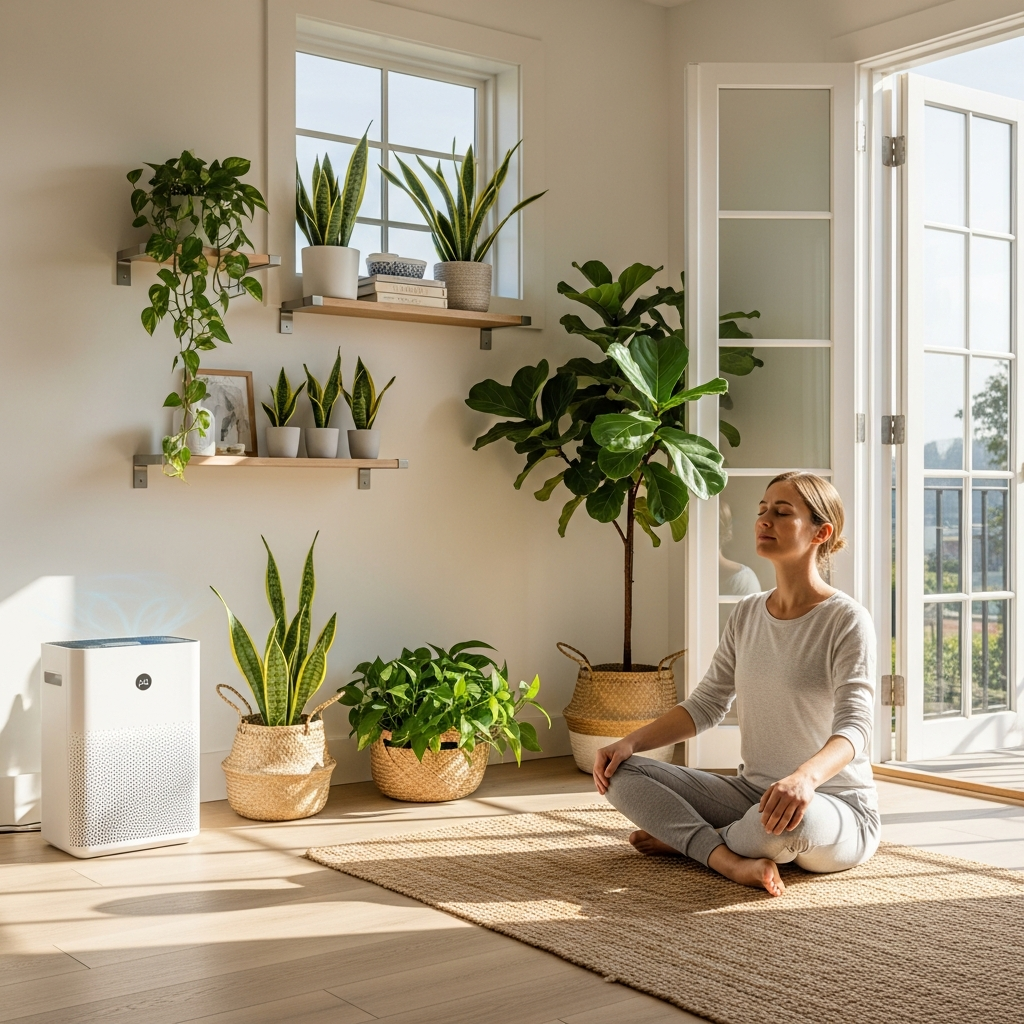
Improve Indoor Air: Step-by-Step Guide to Healthier Home
Did you know indoor air can be 2-5 times more polluted than outdoor air? According to the EPA, Americans spend approximately 90% of their time indoors, where concentrations of some pollutants are often higher than typical outdoor concentrations. This surprising reality means the air in your home could be affecting your health more than you realize. If you experience frequent headaches, allergy symptoms, or respiratory issues, poor indoor air quality might be the culprit. The good news is that you can take practical steps to improve indoor air quality starting today. This comprehensive guide will walk you through proven strategies to create a healthier living environment. Whether you live in an apartment, own a home, or have pets, our step-by-step approach to cleaner air will help you breathe easier and feel better.
Featured Snippet: To improve indoor air quality, focus on ventilation, source control, and air cleaning. Open windows regularly, use exhaust fans, maintain 30-50% humidity, clean frequently with HEPA vacuums, and consider air purifiers with HEPA filters. These strategies can significantly reduce common pollutants like dust, mold spores, VOCs, and allergens in your home.
Understanding Indoor Air Pollution Sources
Before you can effectively improve indoor air, you need to understand what you’re fighting against. Common indoor pollutants include volatile organic compounds (VOCs) from cleaning products and furniture, mold spores from moisture issues, dust mites in bedding and upholstery, pet dander from furry companions, and tobacco smoke. These contaminants can trigger allergies, asthma attacks, headaches, and long-term respiratory problems. The EPA Indoor Air Quality guidelines emphasize that identifying pollution sources is the first step toward cleaner air. Research suggests that prolonged exposure to poor indoor air quality may contribute to more serious health conditions over time.
Common Household Pollutants to Watch For
Volatile Organic Compounds (VOCs): Found in paints, cleaning supplies, air fresheners, and new furniture
Biological Contaminants: Mold, mildew, dust mites, pet dander, and pollen
Combustion Byproducts: Carbon monoxide and nitrogen dioxide from gas appliances
Particulate Matter: Dust, smoke, and other tiny particles that can penetrate deep into lungs
Ventilation: Your First Line of Defense
Proper ventilation is one of the most effective ways to improve indoor air quality naturally. Fresh air circulation helps dilute and remove indoor pollutants. Start with these ventilation tips that anyone can implement:
- Open windows strategically: Create cross-ventilation by opening windows on opposite sides of rooms
- Use exhaust fans: Always run bathroom and kitchen fans during and after use
- Schedule air exchanges: Open windows for 10-15 minutes daily, even in winter
- Consider mechanical ventilation: Energy recovery ventilators (ERVs) or heat recovery ventilators (HRVs) provide controlled fresh air
According to ASHRAE Ventilation Standards, proper ventilation can reduce indoor pollutant levels by 50% or more. For apartment dwellers with limited window access, portable air circulators and strategic fan placement can make a significant difference. Our comprehensive indoor air quality improvement methods include detailed ventilation strategies for different living situations.
Air Purification Strategies That Work
When ventilation alone isn’t enough, air purifiers can provide additional protection. Modern air purification technology has come a long way, but choosing the right system matters. Here’s what you need to know about effective air purifiers:
Types of Air Purification Systems
HEPA Filters: Remove 99.97% of particles 0.3 microns or larger (dust, pollen, mold spores)
Activated Carbon Filters: Absorb gases, odors, and VOCs
UV-C Light Systems: Can kill bacteria and viruses but may produce ozone
Ionizers: Charge particles so they stick to surfaces (may produce ozone)
How to Choose the Right Air Purifier
- Match filter to pollutants: HEPA for allergens, carbon for odors/VOCs
- Check Clean Air Delivery Rate (CADR): Higher numbers mean faster purification
- Consider room size: Choose a purifier rated for your room’s square footage
- Maintenance requirements: Factor in filter replacement costs and frequency
The Mayo Clinic Health Information notes that air purifiers with HEPA filters can be particularly helpful for people with allergies or asthma. For maximum effectiveness, place purifiers in bedrooms and main living areas where you spend the most time. Our detailed guide to selecting air purification systems covers specific models and features for different needs.
Allergen Reduction Techniques for Sensitive Individuals
If you or family members suffer from allergies, targeted allergen reduction strategies can make a dramatic difference in comfort and health. Dust mites, pet dander, and pollen are common triggers that can be managed effectively.
Dust Mite Control Protocol
Bedding management: Use allergen-proof covers on mattresses and pillows
Wash regularly: Launder bedding in hot water (130°F+) weekly
Reduce humidity: Maintain below 50% to discourage mite proliferation
Vacuum smartly: Use HEPA-filter vacuums and consider hard flooring instead of carpet
Pet Dander Management
Create pet-free zones: Keep bedrooms off-limits to pets
Groom regularly: Brush pets outside to remove loose hair and dander
Clean strategically: Use HEPA air purifiers in rooms where pets spend time
Wash pet bedding: Clean pet beds weekly in hot water
Mold Prevention and Humidity Control
Mold growth and excessive humidity create ideal conditions for biological pollutants. Effective mold prevention starts with proper humidity control. The EPA recommends maintaining indoor relative humidity between 30-50% to prevent mold growth and dust mite proliferation.
Practical Humidity Control Methods
- Use dehumidifiers: Especially in basements and bathrooms
- Fix leaks promptly: Address plumbing leaks within 24-48 hours
- Vent moisture sources: Always use exhaust fans when cooking or showering
- Monitor levels: Use hygrometers to track humidity in different rooms
Mold Prevention Checklist
- Inspect for water damage regularly
- Clean and dry wet areas within 24 hours
- Use mold-resistant products in bathrooms and basements
- Ensure proper drainage around your home’s foundation
- Increase ventilation in high-moisture areas
Natural Air Purification Methods
For those who prefer chemical-free solutions, learning how to improve indoor air quality naturally offers effective alternatives. Houseplants and natural materials can complement mechanical systems.
Best Plants for Indoor Air Purification
NASA’s Clean Air Study identified several plants that remove common VOCs. The best plants for indoor air purification include:
- Spider Plant: Effective against formaldehyde and xylene
- Peace Lily: Removes ammonia, benzene, and formaldehyde
- Snake Plant: Converts CO2 to oxygen at night (great for bedrooms)
- Boston Fern: Excellent humidifier and formaldehyde remover
Additional Natural Strategies
Baking soda: Natural deodorizer for carpets and upholstery
Essential oil diffusers: Some oils have antimicrobial properties (use cautiously)
Beeswax candles: Can help clean air by releasing negative ions
Activated charcoal bags: Natural odor absorbers for closets and small spaces
Conclusion
Improving your indoor air quality doesn’t require expensive renovations or complicated systems. By implementing these practical strategies, you can create a healthier home environment starting today. Key takeaways include:
- Prioritize ventilation as your first defense against indoor pollutants
- Choose appropriate air purifiers based on your specific needs and room sizes
- Control humidity levels between 30-50% to prevent mold and dust mites
- Implement regular cleaning routines with HEPA-filter equipment
- Consider natural methods like air-purifying plants as complementary solutions
Remember that small, consistent changes often yield the best results. Start with one or two strategies from this guide and gradually incorporate more as you establish new habits. Your efforts to improve indoor air will pay dividends in better sleep, reduced allergy symptoms, and overall improved wellbeing. Share your success stories in the comments below, and don’t hesitate to consult with healthcare providers if you have specific respiratory concerns.
Medical Disclaimer: This article is for informational purposes only and does not constitute medical advice. Always consult a qualified healthcare provider before making changes to your health routine or if you have specific medical concerns.