
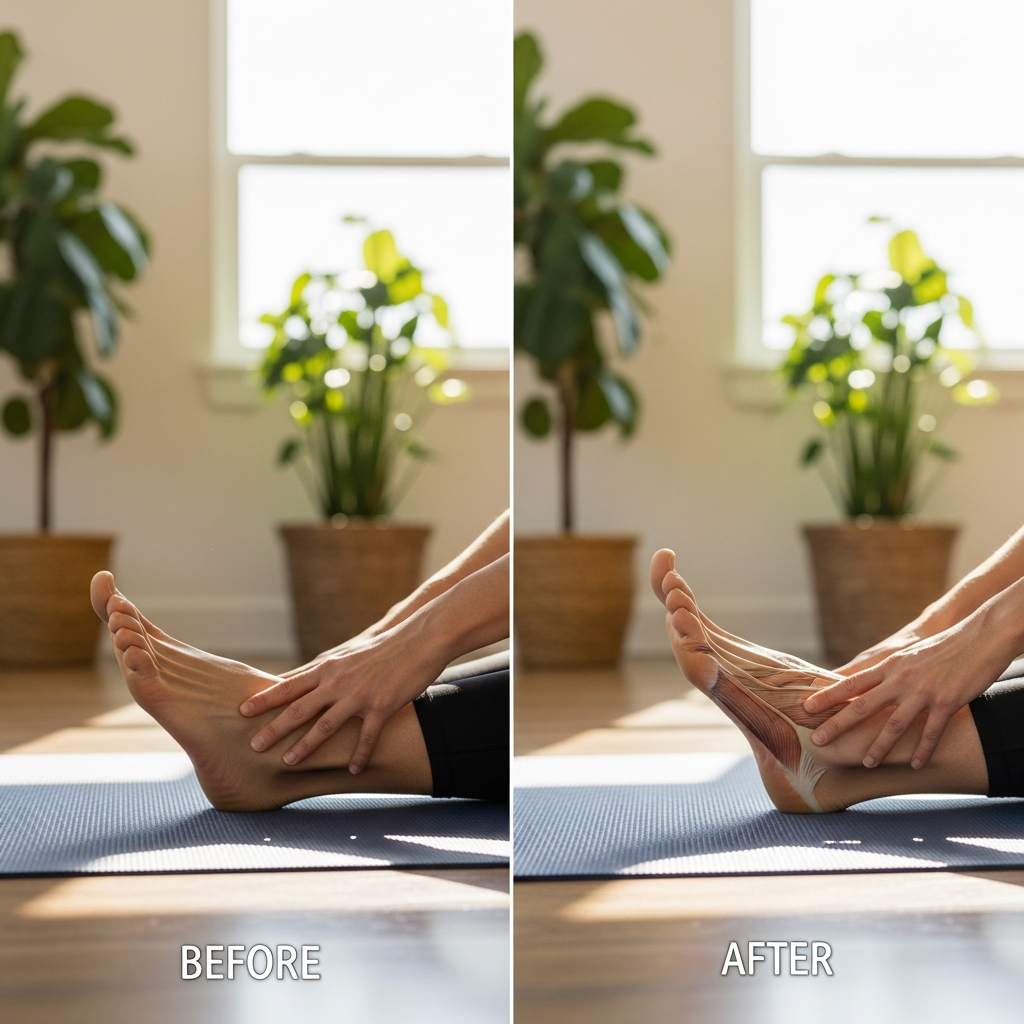
Fix Duck Feet Walking: Step-by-Step Guide to Correct Out-Toeing Gait
Do you notice your feet pointing outward when you walk, like a duck? You’re not alone. Research suggests that up to 20% of adults experience some degree of out-toeing, commonly called “duck feet walking.” This gait pattern can lead to knee pain, hip discomfort, and even back problems over time. The good news is that with consistent effort, you can learn how to fix duck feet walking and improve your overall posture. This comprehensive guide provides step-by-step exercises and practical strategies to correct your foot alignment and transform your walking pattern.
Many people develop out-toeing habits from childhood or through lifestyle factors like prolonged sitting. According to the American Academy of Orthopaedic Surgeons, proper gait alignment is crucial for joint health. Whether you’re a desk worker, runner, or simply want to walk with better form, this guide will help you understand the causes and solutions for duck feet walking.
What Causes Duck Feet Walking? Understanding Out-Toeing
Duck feet walking, medically known as out-toeing, occurs when your feet point outward instead of straight ahead. Several factors can contribute to this gait pattern:
Muscle Imbalances and Tightness
Weak hip external rotators combined with tight internal rotators often cause feet to turn outward. When your glute muscles are weak, other muscles compensate by rotating your legs externally. This imbalance can develop from sedentary lifestyles or specific athletic activities.
Structural Factors
Some people have anatomical variations that predispose them to out-toeing. These may include femoral retroversion (thigh bone rotation) or tibial torsion (shin bone rotation). However, most cases of duck feet walking in adults are functional rather than structural.
Habitual Patterns
Many people develop out-toeing as a childhood habit that persists into adulthood. Others acquire it through occupational demands or improper footwear. The National Institutes of Health notes that gait patterns can become ingrained through repetition.
The Hidden Consequences of Untreated Duck Feet
Ignoring duck feet walking can lead to various musculoskeletal issues over time. When your feet point outward, your entire kinetic chain becomes misaligned.
Joint Stress and Pain
Out-toeing places abnormal stress on your knees, hips, and ankles. This misalignment can contribute to conditions like patellofemoral pain syndrome and hip impingement. Research in the Journal of Orthopaedic & Sports Physical Therapy shows that gait abnormalities significantly increase injury risk.
Foot Problems
Duck feet walking alters your foot’s natural rolling motion. This can lead to excessive pronation and conditions like plantar fasciitis. The outward rotation also affects how weight distributes across your feet during walking and standing.
Postural Compensation
Your body compensates for foot misalignment through your entire posture chain. This often leads to tight hip flexors and altered pelvic positioning. Over time, these compensations can create chronic pain patterns throughout your body.
Step-by-Step Exercises to Fix Duck Feet Walking
Correcting duck feet walking requires a systematic approach. These exercises target the specific muscle imbalances causing out-toeing. Consistency is key—aim to perform these exercises 3-4 times weekly for best results.
1. Hip Internal Rotation Stretch
This stretch addresses tight external rotators that pull your feet outward:
- Sit on the floor with both legs straight
- Bend your right knee and cross it over your left leg
- Place your right foot flat on the floor outside your left knee
- Gently pull your right knee toward your left shoulder
- Hold for 30 seconds, then switch sides
2. Glute Activation March
Strengthening weak glute muscles helps correct rotational imbalances:
- Lie on your back with knees bent and feet flat
- Engage your glutes to lift your hips into a bridge position
- While maintaining the bridge, lift one foot off the ground
- Hold for 5 seconds, then lower and switch sides
- Complete 10 repetitions per side
3. Toe Point Walking Drill
This conscious walking practice retrains your gait pattern:
- Stand with feet hip-width apart
- Consciously point your toes straight ahead
- Walk slowly for 20-30 feet while maintaining toe alignment
- Focus on keeping your knees tracking over your second toes
- Repeat 5-10 times daily
These exercises complement other postural corrections like addressing anterior pelvic tilt, which often accompanies duck feet walking.
Daily Habits for Long-Term Foot Alignment
Exercise alone isn’t enough—you need to integrate alignment principles into your daily life. These habits support lasting correction of duck feet walking.
Mindful Walking Practice
Consciously check your foot position throughout the day. When you notice out-toeing, gently correct it by pointing your toes forward. This mindfulness builds new neural pathways for proper gait.
Proper Footwear Selection
Choose shoes with good arch support and a straight last (the shape of the shoe’s sole). Avoid shoes that encourage outward foot rotation. Consider consulting a podiatrist for custom orthotics if needed.
Workstation Ergonomics
If you work at a desk, ensure your feet rest flat on the floor with toes pointing forward. Consider using a footrest if needed. Incorporate desk foot exercises to maintain mobility during long sitting periods.
Postural Awareness
Duck feet walking often correlates with other postural issues like forward head posture. Work on overall body alignment through regular stretching and strength training.
When to Seek Professional Help for Gait Correction
While many cases of duck feet walking respond well to self-correction, some situations require professional guidance.
Persistent Pain or Discomfort
If you experience ongoing joint pain despite corrective exercises, consult a physical therapist or orthopedic specialist. They can assess for underlying structural issues or develop a personalized treatment plan.
Limited Progress After Consistent Effort
If you’ve diligently followed a correction program for 2-3 months without improvement, professional evaluation may identify barriers you’ve overlooked. A gait analysis can pinpoint specific muscle weaknesses or movement patterns.
Childhood Onset or Structural Concerns
If your out-toeing began in childhood or you suspect anatomical factors, medical evaluation is recommended. Some structural variations may require different approaches than functional out-toeing.
Conclusion: Your Path to Better Walking
Correcting duck feet walking is a journey that requires patience and consistency. By understanding the causes and implementing targeted solutions, you can achieve better foot alignment and reduce associated discomfort.
- Start with awareness: Notice when your feet point outward and gently correct them
- Commit to regular exercises: The hip internal rotation stretch, glute activation, and toe point walking are essential
- Integrate alignment into daily life: Mindful walking, proper footwear, and workstation adjustments support long-term correction
- Listen to your body: Seek professional help if you experience persistent pain or limited progress
- Be patient: Gait retraining takes time—celebrate small improvements along the way
Remember that learning how to fix duck feet walking not only improves your gait but also enhances overall joint health and posture. Share your progress in the comments below, and don’t hesitate to ask questions about your specific situation. Your journey to better walking starts today!
Medical Disclaimer: This article is for informational purposes only and does not constitute medical advice. Always consult a qualified healthcare provider before making changes to your health routine or if you have specific medical concerns.