
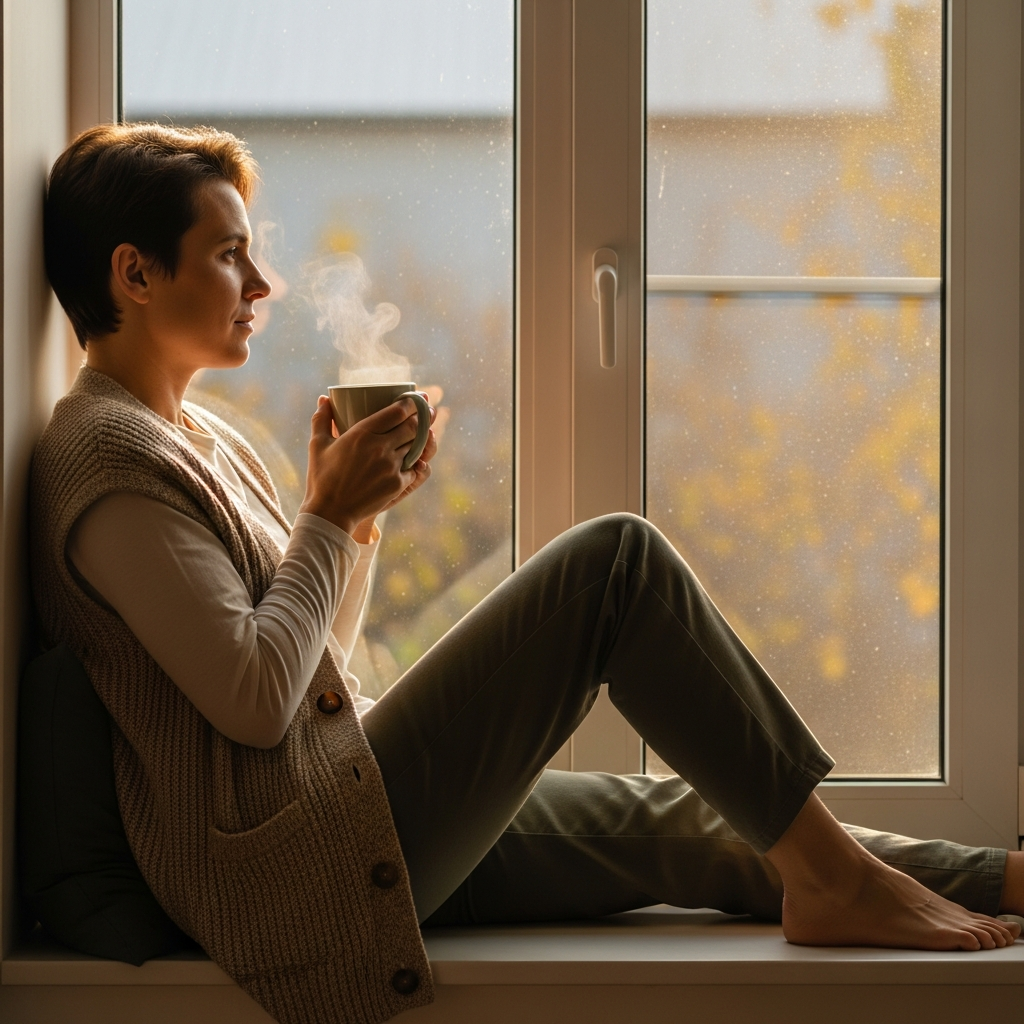
Improve Cold Tolerance Naturally: Science-Backed Guide to Physiological Adaptation
Do you find yourself shivering uncontrollably when temperatures drop, despite wearing multiple layers? You’re not alone. Many people struggle with cold sensitivity, leading to high heating bills and seasonal discomfort. The conventional approach focuses on external warmth—thicker clothing, higher thermostats, and heated spaces. However, there’s a more sustainable solution: learning how to improve cold tolerance naturally through physiological adaptation.
Research suggests that our bodies possess remarkable adaptive capabilities when exposed to gradual cold stimuli. Unlike temporary warming solutions, these methods train your body’s internal thermoregulation systems for long-term resilience. This science-backed approach to cold adaptation can help you feel more comfortable in cooler environments while potentially reducing energy costs.
In this comprehensive guide, we’ll explore evidence-based strategies for building natural cold resistance. From cold shower benefits to circulation optimization, you’ll discover practical methods supported by scientific research. These techniques work by enhancing your body’s ability to generate and conserve heat efficiently.
Understanding Thermoregulation: How Your Body Manages Temperature
Your body maintains a delicate temperature balance through complex physiological processes. This system, known as thermoregulation, involves multiple organs and feedback mechanisms working in harmony. Understanding these processes is the first step toward improving your natural cold tolerance.
The Role of Brown Fat in Heat Production
Unlike white fat that stores energy, brown adipose tissue (BAT) generates heat through a process called thermogenesis. According to research from the National Institutes of Health, brown fat activation can significantly increase calorie burning and heat production. Regular cold exposure may stimulate brown fat development, enhancing your body’s natural heating capacity.
Vasoconstriction vs. Vasodilation: Blood Flow Regulation
When exposed to cold, your blood vessels constrict (vasoconstriction) to reduce heat loss from your skin’s surface. Conversely, warming triggers vasodilation, increasing blood flow to release excess heat. Training your vascular system through gradual adaptation can improve these responses, making temperature regulation more efficient.
Your body temperature set point—the internal thermostat—can also adapt over time. Regular exposure to mild cold may gradually lower this set point, reducing discomfort in cooler environments. This physiological adjustment represents true cold adaptation rather than temporary coping.
Cold Exposure Training: The Science of Adaptation
One of the most effective ways to improve cold tolerance naturally involves systematic cold exposure. This practice trains your nervous and circulatory systems to handle temperature variations more effectively. The key lies in gradual progression and consistency.
Gradual Cold Exposure Methods
Start with manageable cold exposure and gradually increase intensity. Here’s a progressive approach:
- Begin with cooler room temperatures (65-68°F) for extended periods
- Progress to brief outdoor exposure in mild weather
- Incorporate cool showers, starting with 30 seconds and building duration
- Consider controlled cold water immersion under professional guidance
Research published in the Harvard Health Publishing suggests that regular cold exposure may improve circulation, boost mood, and enhance immune function. The adaptation occurs through repeated stimulation of your body’s stress response systems.
Cold Showers and Their Benefits
Cold showers represent an accessible entry point to cold exposure training. Starting your day with a 1-3 minute cool shower can stimulate circulation and activate brown fat. As you adapt, gradually decrease the water temperature and increase duration. Many people find that regular cold showers not only improve their cold tolerance but also increase energy levels and mental clarity.
Remember that improving circulation is fundamental to better temperature regulation. For comprehensive strategies on this topic, explore our guide on natural circulation improvement techniques that complement cold adaptation efforts.
Circulation Improvement: The Key to Better Temperature Regulation
Efficient blood circulation plays a crucial role in maintaining optimal body temperature. When circulation improves, your body distributes heat more effectively to extremities that typically feel coldest. This circulation improvement represents a cornerstone of natural cold adaptation.
Exercise for Vascular Health
Regular physical activity strengthens your cardiovascular system and enhances blood flow. Both aerobic exercise and strength training contribute to better circulation:
- Aerobic exercise: Walking, jogging, cycling, or swimming for 30 minutes daily improves heart efficiency and peripheral blood flow
- Strength training: Building muscle mass increases metabolic heat production and supports vascular health
- Flexibility exercises: Yoga and stretching may improve circulation to extremities
The Mayo Clinic emphasizes that regular exercise improves overall cardiovascular function, which directly supports temperature regulation capabilities.
Dietary Support for Circulation
Certain nutrients and foods can enhance circulatory function:
- Omega-3 fatty acids: Found in fatty fish, flaxseeds, and walnuts, these support blood vessel health
- Antioxidant-rich foods: Berries, dark leafy greens, and dark chocolate contain compounds that may improve vascular function
- Nitrate-rich vegetables: Beets, spinach, and arugula can help dilate blood vessels naturally
- Spices: Ginger, cayenne pepper, and turmeric have warming properties that may stimulate circulation
Proper hydration also supports optimal blood volume and circulation. Aim for adequate water intake throughout the day, especially in dry or cold environments where dehydration can occur unnoticed.
Nutritional Strategies for Cold Adaptation
Your diet significantly influences your body’s ability to generate and conserve heat. Certain foods and nutrients support thermogenesis—the process of heat production within your body. Understanding these nutritional factors can help you improve cold tolerance naturally through dietary choices.
Thermogenic Foods and Nutrients
Some foods require more energy to digest, generating heat in the process. These thermogenic foods can support your body’s natural heating mechanisms:
- Protein-rich foods: Your body uses approximately 20-30% of protein calories for digestion, creating metabolic heat
- Complex carbohydrates: Whole grains, legumes, and starchy vegetables provide sustained energy for heat production
- Healthy fats: Medium-chain triglycerides (found in coconut oil) may increase thermogenesis
- Iron-rich foods: Adequate iron supports oxygen transport in blood, essential for metabolic processes that generate heat
Consider incorporating warming spices like cinnamon, cloves, and black pepper into your meals. These not only add flavor but may also stimulate circulation and create a warming sensation.
Hydration and Electrolyte Balance
Proper hydration is often overlooked in cold environments. Cold, dry air can increase fluid loss through respiration. Dehydration impairs circulation and reduces your body’s ability to regulate temperature effectively. Ensure adequate fluid intake, and consider electrolyte balance if you’re active in cold conditions.
Your sleep environment significantly impacts recovery and adaptation processes. For optimal results, combine these nutritional strategies with proper sleep conditions. Learn more about creating the ideal rest environment in our optimal sleep temperature guide.
Lifestyle Adjustments for Long-Term Tolerance
Beyond specific exercises and dietary changes, certain lifestyle habits can support your body’s adaptation to cooler temperatures. These adjustments work synergistically with other methods to build sustainable cold tolerance.
Sleep Environment Optimization
Your sleeping conditions influence thermoregulation training. Consider these approaches:
- Gradually lower bedroom temperatures by 1-2 degrees each week
- Use breathable bedding materials that regulate temperature effectively
- Avoid overheating with excessive blankets—allow mild cool exposure during sleep
- Maintain consistent sleep schedules to support circadian rhythm regulation of body temperature
Research suggests that cooler sleeping environments (around 65°F) may support deeper sleep and metabolic health. This gradual exposure during rest periods contributes to overall cold adaptation.
Clothing Strategies That Don’t Weaken Adaptation
While bundling up provides immediate warmth, it can prevent natural adaptation. Consider these balanced approaches:
- Layer clothing so you can adjust based on activity level and environment
- Focus on protecting extremities (hands, feet, head) while allowing torso mild exposure
- Choose breathable materials that wick moisture without trapping excessive heat
- Gradually reduce reliance on heavy layers as your tolerance improves
The goal isn’t to suffer in the cold but to provide your body with manageable challenges that stimulate adaptation without risking hypothermia.
Safety Considerations and Medical Guidance
While learning to improve cold tolerance naturally offers potential benefits, safety must remain your priority. Certain medical conditions and individual factors require special consideration when implementing cold adaptation strategies.
When to Consult a Doctor
Always consult with a healthcare provider before beginning any new health regimen, especially if you have:
- Cardiovascular conditions (heart disease, hypertension, Raynaud’s phenomenon)
- Respiratory issues that may be aggravated by cold exposure
- Diabetes or circulation disorders
- History of hypothermia or cold-related injuries
- Pregnancy or specific medical concerns
Your doctor can provide personalized guidance based on your health status and help you develop a safe adaptation plan.
Avoiding Hypothermia Risks
Hypothermia occurs when body temperature drops below 95°F (35°C). To practice cold adaptation safely:
- Always start with mild exposure and progress gradually
- Never push through shivering that becomes uncontrollable
- Monitor for warning signs: confusion, slurred speech, loss of coordination
- Have warm clothing and shelter readily available
- Practice with a partner when attempting more challenging exposures
Remember that adaptation should be gradual and comfortable. Discomfort is expected, but pain or dangerous symptoms indicate you’ve gone too far too quickly.
Conclusion: Building Sustainable Cold Tolerance
Learning how to improve cold tolerance naturally involves understanding and working with your body’s innate adaptive capabilities. Through consistent practice of evidence-based methods, you can enhance your physiological responses to cooler temperatures.
Key takeaways from this science-backed guide include:
- Gradual cold exposure trains your nervous and circulatory systems for better temperature regulation
- Circulation improvement through exercise and nutrition supports heat distribution to extremities
- Nutritional strategies provide the building blocks for efficient thermogenesis and metabolic heat production
- Lifestyle adjustments create consistent opportunities for adaptation without compromising safety
- Professional guidance ensures your approach aligns with your individual health needs
Start your cold adaptation journey today with one small change—perhaps a slightly cooler shower or reducing your thermostat by one degree. Consistency matters more than intensity when building sustainable tolerance. Share your experiences and questions in the comments below, and remember that true adaptation develops gradually through patient, consistent practice.
Medical Disclaimer: This article is for informational purposes only and does not constitute medical advice. Always consult a qualified healthcare provider before making changes to your health routine or if you have specific medical concerns.