Vagus Nerve Function: Science-Backed Exercises for Anxiety Relief
Did you know that anxiety disorders affect over 40 million adults in the United States alone? If you’re among those struggling with persistent worry, racing thoughts, or physical anxiety symptoms, you’ve likely tried various coping strategies. While traditional approaches have their place, emerging research reveals a powerful connection between vagus nerve function and emotional regulation. This cranial nerve, often called the “wandering nerve,” plays a crucial role in calming your nervous system. Understanding how to work with your vagus nerve exercises can provide natural anxiety relief without medication side effects. This science-backed guide will walk you through practical techniques to stimulate your vagus nerve and regain control over anxiety symptoms.
Understanding Vagus Nerve Function and Anxiety Connection
The vagus nerve is the longest cranial nerve in your body, extending from your brainstem through your neck and into your abdomen. It serves as a two-way communication highway between your brain and major organs. When we talk about vagus nerve function, we’re referring to its ability to regulate your parasympathetic nervous system—the “rest and digest” response that counteracts stress.
What is the Vagus Nerve?
Your vagal nerve (another term for vagus nerve) consists of thousands of nerve fibers that connect to your heart, lungs, digestive system, and vocal cords. According to Harvard Medical School research, this nerve acts as a biological brake on stress responses. When functioning optimally, it helps maintain emotional balance and physical calm. However, chronic stress can lead to vagus nerve dysfunction, where the nerve becomes less responsive to calming signals.
The Vagus Nerve-Anxiety Connection
Studies show that people with anxiety disorders often have reduced vagal tone—meaning their vagus nerve isn’t as effective at activating the relaxation response. The National Institute of Mental Health notes that improving vagal tone through specific exercises can help regulate emotional responses. When you stimulate your vagus nerve, you’re essentially telling your nervous system to shift from “fight or flight” to “rest and digest” mode. This physiological shift can reduce anxiety symptoms naturally.
How to Stimulate Vagus Nerve for Anxiety Relief
Learning how to stimulate vagus nerve for anxiety involves simple techniques that anyone can practice. These methods work by activating the nerve’s calming pathways. Regular practice can improve your body’s ability to self-regulate during stressful situations. The key is consistency—just like physical exercise strengthens muscles, vagus nerve stimulation exercises strengthen your nervous system’s resilience.
Breathing Techniques for Vagus Nerve Stimulation
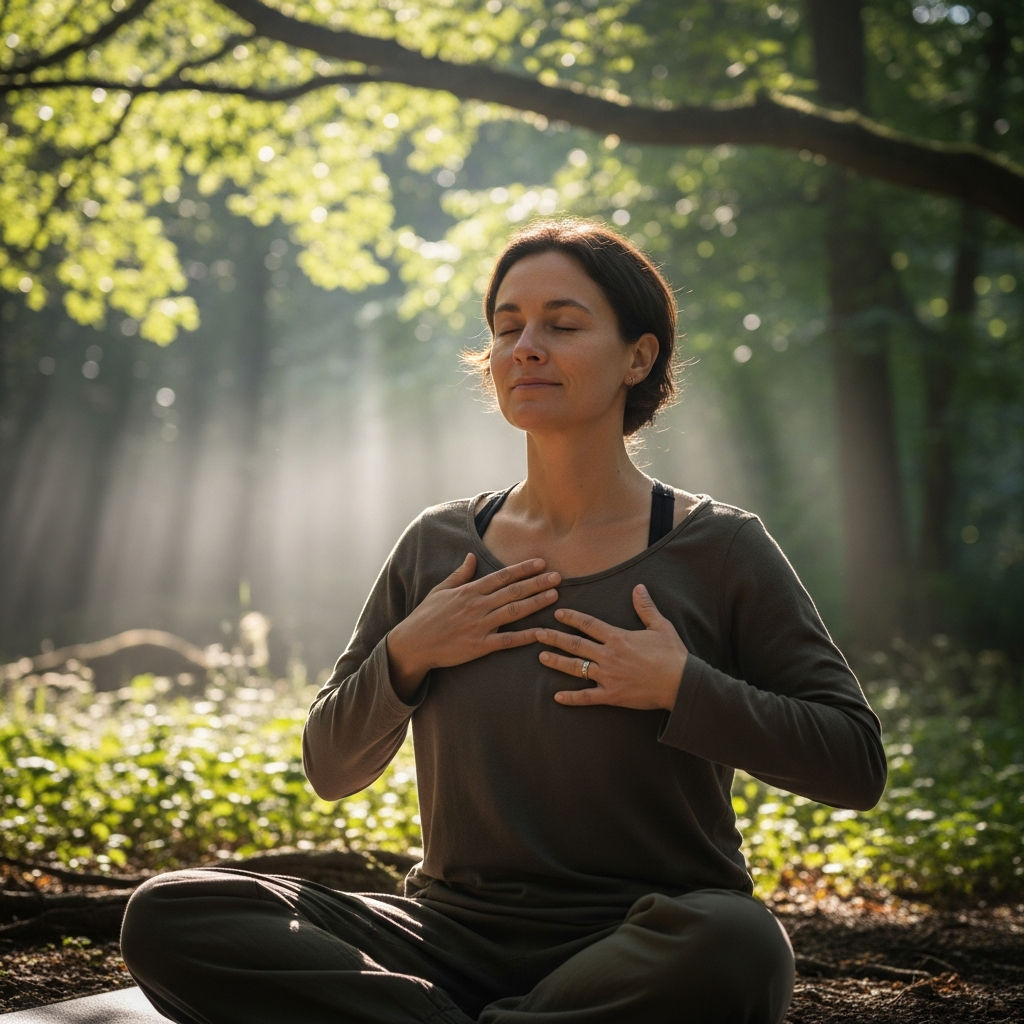
Deep, slow breathing is one of the most effective ways to activate your vagus nerve. Try this simple exercise:
- Sit comfortably with your back straight
- Inhale slowly through your nose for 4 seconds
- Hold your breath for 7 seconds
- Exhale slowly through your mouth for 8 seconds
- Repeat this cycle 4-5 times
This 4-7-8 breathing pattern stimulates the vagus nerve by creating pressure changes in your abdomen and chest. Research from the Mayo Clinic suggests that controlled breathing can reduce anxiety symptoms within minutes. For more comprehensive vagus nerve techniques, consider incorporating these breathing exercises into your daily routine.
Cold Exposure Methods
Brief cold exposure can powerfully stimulate your vagus nerve. The shock of cold triggers what’s called the “diving reflex,” which immediately activates the parasympathetic nervous system. Try these safe approaches:
- Splash cold water on your face first thing in the morning
- Take a 30-second cold shower at the end of your regular shower
- Hold an ice pack against your neck for 60 seconds
- Drink a glass of cold water slowly
Start with milder cold exposure and gradually increase as you become comfortable. This method provides a quick vagus nerve reset that can interrupt anxiety cycles.
Best Vagus Nerve Techniques for Anxiety Relief
Beyond breathing and cold exposure, several other techniques can enhance vagus nerve function for anxiety management. These best vagus nerve techniques for anxiety relief work through different mechanisms but share the same goal: activating your body’s natural calming system. Incorporating a variety of methods can provide more comprehensive benefits.
Humming and Singing Exercises
Your vagus nerve connects to your vocal cords, making vocalization a powerful stimulation method. Humming creates vibrations that directly stimulate the nerve. Try these exercises:
- Hum your favorite tune for 5-10 minutes daily
- Chant “om” or similar resonant sounds
- Sing in the shower or car regularly
- Practice gargling with water (activates the same muscles)
These vocal exercises not only stimulate your vagus nerve but also force you to regulate your breathing—a double benefit for anxiety relief. Many people find that regular humming practice creates a noticeable calming effect throughout the day.
Gentle Neck Massage
Since the vagus nerve runs through your neck, gentle massage in this area can provide direct stimulation. Use these techniques:
- Apply light pressure along the sides of your neck
- Use circular motions behind your ears
- Gently massage your carotid sinus (consult your doctor first if you have heart conditions)
- Combine neck massage with deep breathing
Always use gentle pressure and stop if you experience discomfort. This approach to vagus nerve stimulation can be particularly helpful during moments of rising anxiety.
Vagus Nerve Exercises for Panic Attacks
When anxiety escalates to panic attacks, having immediate tools becomes crucial. These vagus nerve exercises for panic attacks are designed for quick intervention. They work by rapidly activating your parasympathetic nervous system to counter the overwhelming sympathetic activation of panic.
Quick Reset Techniques
During a panic attack, try these immediate interventions:
- Cold Face Immersion: Fill a bowl with cold water and immerse your face for 15-30 seconds
- Extended Exhalation: Focus on making your exhalations twice as long as your inhalations
- Valsalva Maneuver: Gently bear down as if having a bowel movement (creates pressure changes)
- Ear Pressure: Gently pull your earlobes downward and outward
These techniques can provide rapid relief by stimulating the vagus nerve directly. They’re particularly useful because they can be done discreetly in almost any situation.
Grounding Exercises
Combine vagus nerve stimulation with sensory grounding:
- Name 5 things you can see, 4 things you can touch, 3 things you can hear, 2 things you can smell, and 1 thing you can taste
- Press your feet firmly into the ground while practicing deep breathing
- Hold a cold object while focusing on your breath
- Combine humming with gentle neck massage
This combination approach addresses both the physiological and psychological aspects of panic, making it more effective than either technique alone.
Creating a Daily Vagus Nerve Practice
Consistency transforms these techniques from occasional tools to lasting solutions. Building a daily practice helps retrain your nervous system to default to calm rather than anxiety. Think of it as exercise for your vagus nerve function—regular practice strengthens its responsiveness.
Building Consistency
Start with a manageable routine:
- Choose 2-3 techniques that resonate with you
- Practice for just 5 minutes morning and evening
- Set reminders on your phone or calendar
- Pair exercises with existing habits (like brushing teeth)
- Gradually increase duration as it becomes habitual
Research shows that consistent practice for 4-8 weeks can significantly improve vagal tone and reduce anxiety symptoms. The key is regularity, not perfection.
Tracking Your Progress
Monitor your anxiety levels and vagus nerve exercise practice:
- Rate your anxiety on a 1-10 scale daily
- Note which techniques work best for different situations
- Track physical symptoms like heart rate variability if possible
- Celebrate small improvements and consistency
- Adjust your practice based on what you learn
This data helps you understand your unique responses and optimize your approach to vagus nerve stimulation.
Conclusion: Embracing Calm Through Vagus Nerve Function
Mastering your vagus nerve function offers a powerful, natural approach to anxiety management. By incorporating these science-backed exercises into your daily life, you can train your nervous system to respond more adaptively to stress. Remember these key takeaways:
- Your vagus nerve serves as your body’s natural anxiety regulator
- Simple techniques like breathing, cold exposure, and humming can stimulate it effectively
- Consistent practice improves vagal tone over time
- Different techniques work for different situations and individuals
- Combining methods often provides the best results
Start with just one technique today—perhaps the 4-7-8 breathing exercise—and build from there. Share your experiences with these vagus nerve exercises in the comments below, and let’s support each other in cultivating greater calm. Your journey to better anxiety management through enhanced vagus nerve function begins with a single, calming breath.
Medical Disclaimer: This article is for informational purposes only and does not constitute medical advice. Always consult a qualified healthcare provider before making changes to your health routine or if you have specific medical concerns.